
Pets & Vehicle Relocation to the Netherlands
Relocating pets and vehicles from India to the Netherlands — India export formalities, EU animal entry requirements and vehicle freight through Rotterdam, managed from the India end.
Indian families moving to the Netherlands typically ask about pets and vehicles at some point in the planning conversation, usually with a slightly apologetic tone, as if these are minor requests on the edge of a big logistical exercise. They are not minor. The pet — usually a dog, sometimes a cat — has a preparation timeline that can exceed six months in some cases and is entirely non-negotiable on its sequencing. The vehicle has an India-side documentation chain that is separate from the household shipment and needs its own process. Both are manageable; neither is simple; and both reward early attention. Seemleius coordinates pets and vehicles from India to the Netherlands as part of the overall move, not as a separate problem to deal with after the container is packed.
Bringing your pet from India to the Netherlands
The Netherlands applies EU pet entry rules. For animals coming from India — classified as a non-EU, non-listed country — the entry requirements are specific and the sequence is fixed. Microchipping must come first; the rabies vaccination must follow the microchip and be currently valid; a rabies antibody titre test may be required depending on the vaccination history and the timing (if the animal has not previously been vaccinated under EU-accepted protocols, the titre test must be done and the animal must wait 90 days after the test before it can enter); a veterinary health certificate in the specific EU format must be issued by an accredited veterinarian within ten days of travel. The 90-day wait after the titre test is the step that surprises most families.
India adds export requirements that run in parallel. The Animal Quarantine and Certification Services (AQCS) process, the export health certificate from an authorised government veterinarian, and — for certain species — a No Objection Certificate (NOC) from the Wildlife Crime Control Bureau (WCCB). Both the India export process and the EU entry process must be complete and in order before the animal travels.
- AQCS export health certificate and WCCB NOC coordination from the India end
- EU entry sequence: microchip, rabies vaccination, titre test (where required) and health certificate, with all waiting periods mapped into the timeline
- Pet travel from Indian airports — Mumbai (BOM), Delhi (DEL), Bengaluru (BLR) or Chennai (MAA) — into Amsterdam Schiphol (AMS) on approved routes
- Coordination with accredited handlers experienced in both Indian export requirements and EU animal entry at Schiphol
- Liaison with the Dutch NVWA (Netherlands Food and Consumer Product Safety Authority) where pre-arrival documentation filing is required
Shipping a vehicle from India to the Netherlands
Moving a car or motorcycle from India to the Netherlands involves the Indian export documentation chain (RC book, RTO NOC, customs export clearance and shipping bill), sea freight from Nhava Sheva into Rotterdam — an excellent vehicle freight port with well-established infrastructure for automobile imports from around the world — EU import duty and Dutch VAT on arrival, and an APK (roadworthiness inspection) before the vehicle can be registered in the Netherlands. Rotterdam’s vehicle handling infrastructure is genuinely well-suited to this: the port processes automobile imports at scale, and delivery from Rotterdam to any Dutch address is straightforward.
- India-side documentation: RC book, RTO NOC, export customs clearance and shipping bill prepared accurately for the vehicle
- Sea freight from Nhava Sheva into Rotterdam — container or Roll-on Roll-off (RoRo); Rotterdam is one of Europe’s leading ports for vehicle imports
- EU import duty and Dutch VAT guidance with a pre-shipment condition report for insurance purposes
- Delivery to your Dutch address, to a bonded facility, or to an APK pre-inspection point as appropriate
How the planning works
- Tell us what is moving. Pet details (species, breed, age, current vaccination status and history) and / or vehicle details (make, model, year, current RC book status), alongside your anticipated departure from India.
- Map both sides. We lay out the India export requirements and the EU/Netherlands entry requirements for each. For pets, we identify whether the titre test and 90-day wait applies — this is the most time-sensitive question on this corridor.
- Book and coordinate. Pet travel and vehicle freight are arranged and timed around your household shipment and your Netherlands arrival so all three arrive in the right sequence.
- Keep you informed. Status updates on both the pet and the vehicle from departure in India through to confirmed arrival and clearance in the Netherlands.
The first and most important thing to say about pets on this corridor: raise it now, not later. If the titre test waiting period applies, six months is not a long timeline — it is a minimum. For vehicles, Rotterdam’s infrastructure makes the freight side straightforward once the Indian documentation is correct. Start the conversation with us as soon as the Netherlands move is confirmed. Get in touch and we will map the full timeline from the India end immediately.
BPM, the RDW, and the honest answer on importing an Indian car
The section above describes how a vehicle physically gets from Nhava Sheva to a Dutch driveway. This one is about whether it should. For most Indian-market cars, once the entire bill is on the table, the answer is no — and that is better heard before the container is booked than after the car has sailed.
Three separate charges land on an imported vehicle. First, customs duty: the EU Common Customs Tariff sets the rate for passenger cars at 10 per cent of the customs value, with lower rates for motorcycles. Second, Dutch BTW at 21 per cent, calculated on the customs value including that duty. Third, and this is the one that catches people, BPM — the Dutch tax on private motor vehicles and motorcycles, payable on registration. BPM is calculated primarily on the vehicle’s CO2 emissions, with a depreciation scale applied for a used car, and it has no equivalent anywhere in the Indian ownership experience. After registration, road tax (motorrijtuigenbelasting) runs quarterly and varies with weight and fuel type.
Then there is approval. A car built for the Indian market does not usually hold EU whole-vehicle type approval, which means it cannot be registered on a certificate of conformity. It goes instead through individual approval at the RDW, the Netherlands vehicle authority: a physical inspection covering lighting and headlamp aim, mirrors, glazing, tyres, safety equipment and the emissions class the vehicle can actually demonstrate. Where a car fails, the modifications are at the owner’s cost, and there is no guarantee the emissions requirement can be met at all. Only after RDW approval and the tax settlement does the vehicle receive a Dutch kenteken registration and its plates.
Set all of that against a deep Dutch used-car market full of EU-approved stock, and the arithmetic usually settles itself. There are exceptions worth taking seriously — a genuinely special or classic vehicle, a motorcycle with real sentimental value, or a case where the transfer-of-residence exemption from BPM applies. That exemption exists for people moving their normal residence to the Netherlands, carries its own conditions on how long the vehicle was owned and used abroad, and is assessed by the Belastingdienst rather than granted by a shipping company. Where it applies, the case can change completely. Where it does not, we would rather give you the number and let you decide than quote the freight and stay quiet about the rest of it.
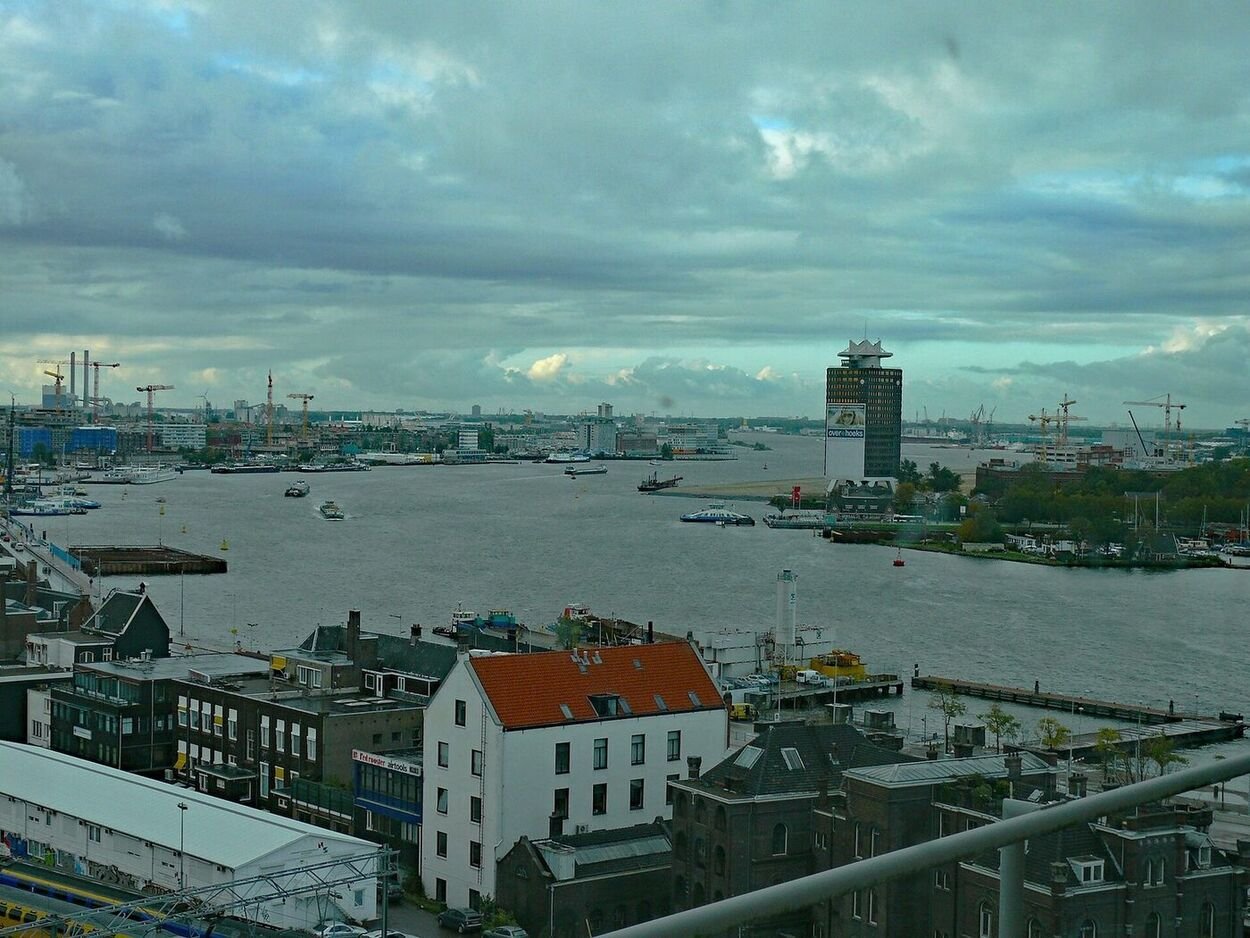
What happens to a vehicle between the RTO and the Dutch plates
- Release in India. The registration certificate and the RTO no-objection paperwork are put in order, any hypothecation with a lender is cleared, and the export declaration is filed against the chassis and engine numbers. A mismatch between the RC and the vehicle stops everything until it is resolved.
- Preparation for the voyage. The car is washed thoroughly — soil and organic matter on the underside are a biosecurity issue, not a cosmetic one — the fuel is run down, the battery is disconnected where the routing calls for it, and a dated photographic condition report is taken for the insurance file.
- Loading. Roll-on roll-off where a suitable service exists, or braced and lashed inside a container. Container shipment costs more and protects better, and it also allows a small quantity of declared accompanying goods where that has been agreed in advance.
- Rotterdam. Discharge at a vehicle terminal, then the customs entry. Duty and BTW are settled, or where a relief is being claimed the claim is assessed at this stage rather than later.
- Approval and registration. The RDW inspection, any modifications the inspection identifies, the BPM assessment, then the registration itself. This runs in weeks rather than days, and the car cannot legally be used on Dutch roads until it is finished.
We handle the freight, the Indian export documentation and the delivery. The approval and the taxes sit with the RDW and the Belastingdienst, and with whoever the owner appoints to assist — and we will not pretend otherwise or build a timeline that quietly assumes those steps are quick.
The pet timeline, counted in months
The section above lists what is required. This one is about when each piece has to happen, because on this route the sequence is everything and a step taken in the wrong order has to be taken again from the beginning.
- Six to seven months out. Confirm the microchip. It must be ISO 11784/11785 compliant and it must be readable before the rabies vaccination is given, because a vaccination administered before an implanted chip does not count for EU purposes. If the chip is old, unreadable or a non-ISO type, this is the moment to deal with it.
- Five to six months out. Rabies vaccination, given after the chip, by a veterinarian authorised to administer it, with the batch details properly recorded.
- Four to five months out. The rabies antibody titre test. India is not on the European Union’s list of countries whose animals are exempt from it, which is exactly why the step exists on this route and not on some others. The blood sample must be drawn at least 30 days after the vaccination and analysed by an EU-approved laboratory.
- Then the waiting period. It runs from the date the blood sample was drawn, not from the date the result comes back — a distinction that has caught out plenty of families who assumed the clock started with the certificate.
- Four to six weeks out. Book the flight and confirm the crate. Airlines hold live-animal capacity in limited quantities, and heat embargoes apply on some routes and to some breeds during the Indian summer.
- Within ten days of travel. The EU animal health certificate is issued, alongside the Indian export health certificate and the AQCS formalities described above.
- Arrival. An accompanied pet enters through a designated Travellers’ Point of Entry, where the documentation and the identity of the animal are checked against the chip; Schiphol serves that function for the Netherlands. There is no routine quarantine for a compliant animal. The risk on this corridor is not detention, it is refusal at the border over a document that does not match.
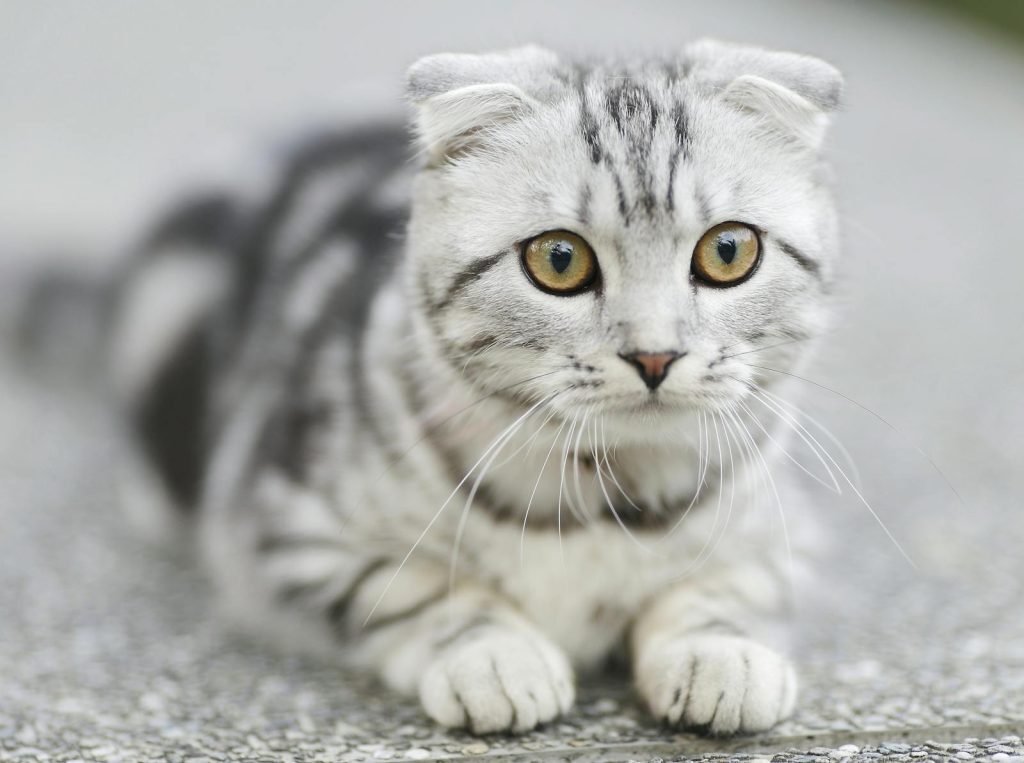
Crates, breeds and the parts of pet travel nobody warns you about
The travel crate is a regulated item rather than a shopping decision. The IATA Live Animals Regulations set both its construction and its sizing: the animal has to stand fully upright without touching the roof, turn round comfortably and lie down naturally, with ventilation on at least three sides and a door that locks in a specified way. Crates bought at the last minute are frequently one size too small, and an undersized crate is refused at check-in with no useful appeal. We supply and fit the crate to the animal’s own measurements and get the dog or cat accustomed to it over the preceding weeks, which does more for its welfare on the day than anything that can be arranged at the airport.
Brachycephalic breeds — pugs, French bulldogs, Persian cats and their relatives — face restrictions with several carriers because of the respiratory risk in the hold, and in hot months some airlines decline to carry them at all. An Indian summer departure compounds that: a June or July flight out of Delhi or Mumbai may need a night sector or a different routing entirely. Non-commercial pet movement into the EU is also capped at five animals per person, above which the shipment becomes a commercial movement under a different entry regime.
What we do is the crating, the airline booking, the export health documentation at the Indian end and the coordination with handlers at both airports, worked to IATA Live Animals Regulations standard. What we will not do is compress the veterinary timeline, because it cannot be compressed — the titre waiting period is fixed and no amount of freight experience shortens it by a day.
What moves the cost on pets and vehicles
- Animal size and crate dimensions. Live-animal air freight is rated against the crate’s volumetric footprint, so a large breed in a correctly sized crate is a substantially bigger consignment than a cat.
- Routing. A direct service from BOM, DEL or BLR into Schiphol is simpler and kinder than a routing with a transfer, and a transfer adds handling, cost and risk in roughly equal measure.
- Season. Heat embargoes and constrained hold space push both the price and the scheduling difficulty upwards from May through August.
- Veterinary work. The titre test, the certificates and any repeat testing are veterinary costs, billed by the practice rather than by us.
- Vehicle shipping method. Roll-on roll-off against a dedicated or shared container, and whether the car needs bracing, is the main freight variable on the vehicle side.
- Vehicle taxes and approval. Duty, BTW, BPM and the RDW inspection make up the larger part of the total for most cars, and none of them is a freight charge.
Questions we get about pets and cars on this corridor
Can the pet travel on the same flight as the family?
Often yes, either as accompanied baggage or as manifest cargo on the same service, and it is usually the calmer arrangement. It depends on the airline, the breed, the crate size and the season. Where it is not possible, the animal travels as cargo on a nearby service and is met on arrival at Schiphol.
Our dog was vaccinated against rabies in India last year. Does that count?
Only if the microchip was implanted before that vaccination and the vaccination is still valid on the day of travel. If the chip came afterwards, the vaccination has to be repeated and the titre test follows from there. This single ordering question is the most common reason a six-month timeline turns into a nine-month one.
Can the car go inside the household container to save money?
No. The vehicle and the household goods are separate customs matters with separate declarations, and combining them creates a valuation and classification problem at Rotterdam that costs far more than the freight it saves. A small quantity of declared accompanying items inside a vehicle container is a different question and can sometimes be accommodated.
How early should the pet be raised with you?
At the first conversation, before the household move has even been scoped. Almost everything else on this corridor can be compressed if it has to be. The rabies titre sequence cannot, and it is the one element of an India to the Netherlands move where a decision taken late genuinely cannot be recovered.