
Moving to the Netherlands
India–Netherlands moves arrive at Rotterdam, Europe’s largest port — a genuine sea-freight advantage for families and professionals moving from Mumbai, Bengaluru and beyond.
- 20+ years moving households & cargo
- 184 countries destination corridors covered
- In-house customs clearance filed by our own team
- One coordinator from quote to delivery
The India–Netherlands corridor has a distinctive freight advantage that no other EU destination can match: Rotterdam. When a household shipment or commercial consignment leaves Nhava Sheva or Chennai bound for the Netherlands, it arrives at the largest container port in Europe — a port where Indian-origin vessels call frequently, container processing is efficient, and the onward road network into Amsterdam, The Hague, Eindhoven and the rest of the country is mature and fast. This is not a marginal point; for sea-freight-heavy moves from India, it genuinely changes the calculus.
The India-to-Netherlands corridor serves a specific and growing audience: IT and engineering professionals from Bengaluru, Hyderabad and Pune heading to Amsterdam, Eindhoven and The Hague on the 30% ruling scheme; students at TU Delft, Eindhoven University of Technology, University of Amsterdam and other Dutch institutions; and families joining partners already settled in the Netherlands. The Indian community in the Netherlands is now estimated at around 250,000, anchored by the technology corridor that runs from Amsterdam through Utrecht to Eindhoven — where ASML, Philips and the wider Brainport semiconductor ecosystem recruit Indian engineering talent in significant numbers. The country is one of the most expat-ready in Europe, with a large English-speaking population and strong support infrastructure — which makes the landing easier, even as the move itself requires careful planning from the India end.
Why Rotterdam matters for India-origin moves
Sea freight from Nhava Sheva (JNPT) and Mundra to Rotterdam benefits from some of the best vessel frequency on any India-to-EU route. Major shipping lines operate services that call at Indian west coast ports and discharge directly at Rotterdam, often with transit times of 18 to 24 days. South India origins — Chennai, Cochin, Kolkata — connect into Rotterdam on slightly longer routes, typically 22 to 28 days. By comparison, sea into Hamburg or Le Havre on the same services often adds two to four days of onward feeder or road. For families shipping a full container from western India, Rotterdam is the most efficient EU entry point available, and once the goods are cleared at Rotterdam they are cleared into the entire European Union — onward distribution to Belgium, Germany, France or Scandinavia becomes a road movement rather than a second customs event.
Air on the BOM/DEL/BLR → AMS route
For tighter timelines, direct flights from Mumbai (BOM), Delhi (DEL) and Bengaluru (BLR) into Amsterdam Schiphol (AMS) cover the corridor in around nine hours of flight time, with KLM and Air India operating the principal direct services. Air freight is the right mode for unaccompanied baggage on professional moves where families follow the employee within weeks, for high-value items that cannot wait for a sea container, and for documents and electronics that benefit from a faster transit. Chennai (MAA) connects into Amsterdam via short hubs on competitive schedules. We size the air component against the sea container and recommend the split honestly — air is not a default, it is a tool used when the timeline or value justifies it.
The corridor at a glance
Sea from Nhava Sheva or Chennai
Direct container services from India’s west and south coast ports into Rotterdam — better vessel frequency and shorter sea transit than most alternative EU entry points.
Indian export clearance
Shipping bill filed on ICEGATE with AD code mapped, FEMA-compliant valuation and packing list prepared by us before the container is sealed.
Dutch and EU customs
Netherlands import documentation filed with Douane — Verhuisboedel transfer-of-residence relief applied where it qualifies, 21% BTW (VAT) handled correctly on commercial goods, EORI registered.
Delivery across the Netherlands
From Rotterdam to Amsterdam, The Hague, Eindhoven, Utrecht and any address in the country — road delivery that reflects the Netherlands’ exceptional transport infrastructure.
Indian-end paperwork: what we actually file
Every shipment leaving India travels on a Shipping Bill filed through ICEGATE, the Indian Customs electronic platform. The exporter’s AD (Authorised Dealer) code — the bank reference under FEMA — must be registered against the origin port and matched on the bill. Commercial cargo also requires a GST LUT (Letter of Undertaking) for zero-rated export treatment, and where drawback or RoDTEP refunds are due, the documentation must be lodged at filing — not retrospectively. We prepare these from the India end, which means our customs broker handles ICEGATE, AD code and FEMA documentation directly so there is no gap between your understanding of the paperwork and what is actually filed at the port.
Who moves from India to the Netherlands
- IT and engineering professionals on the 30% ruling — Bengaluru, Hyderabad and Pune are the primary origins; Amsterdam, Eindhoven and Utrecht are the primary destinations
- Students at Dutch technical universities — TU Delft, TU/e Eindhoven, University of Twente and the technical faculties of Dutch universities draw Indian postgraduate students in significant numbers
- Families joining partners in the Netherlands — family reunification is a major move category; often timed around residence documentation approval and school enrolment
- Indian businesses expanding into the Netherlands — the Netherlands is a popular European HQ base for Indian corporates; Amsterdam and The Hague are the primary destinations
Arriving in the Netherlands: BSN and the gemeente
New arrivals must register with their local gemeente (municipality) within five working days of arrival. The output of that registration is the BSN — Burgerservicenummer — the keystone identifier without which bank accounts, healthcare insurance, mobile contracts and most utility connections simply do not open. Indian arrivals generally work through the sequence in this order: confirmed address first, gemeente appointment booked in advance, original passport and residence documentation in hand, marriage and birth certificates apostilled and translated where dependants are joining. The Indian community in the Netherlands has worn this path well; the friction comes from missing one document on the appointment day, which we work hard to prevent.
Where we deliver
Amsterdam and the greater Randstad area (including Haarlem, Utrecht and Leiden); The Hague and the diplomatic quarter; Rotterdam itself; Eindhoven and the High Tech Campus region; any address in the Netherlands that your move requires.
Starting the move from India
- Survey in India. We assess your home or office volume at your India origin — in person or by video — and return a clear, itemised quote with sea and air options explained.
- Prepare Indian export documentation. Shipping Bill filed on ICEGATE, AD code mapped, FEMA valuation set and packing list verified before the container is sealed.
- Pack and ship. Export-standard packing at the India origin; the shipment departs from Nhava Sheva, Mundra, Chennai or Cochin on the confirmed route.
- Clear in Rotterdam and deliver. Dutch import customs managed; Verhuisboedel relief lodged where it applies; road delivery from Rotterdam to your Netherlands address with unpacking.
Choose the guide below that fits your move, or request a quote and your coordinator will walk you through the right approach for an India-origin move to the Netherlands.
What an unfurnished Dutch let means for the shipping list
Dutch rentals are advertised as kaal, gestoffeerd or gemeubileerd, and only the last one means furnished in the sense an Indian tenant would expect. A kaal opgeleverd property can arrive without floor covering, without light fittings, sometimes without curtain rails, and occasionally — in older private lettings — without a fitted kitchen. Gestoffeerd adds flooring and window dressing, and stops there.
The practical effect is that the consignment leaving India is usually larger than the family first assumed, not smaller. Beds, wardrobes, dining furniture, floor lamps and rugs earn their sea freight on this lane, because the alternative is buying every one of them in the first month, in euros, at Dutch retail, in the same weeks as a deposit and the first rent. Set against that, a few categories genuinely do not repay the cubic metres: heavy pieces built for rooms with high ceilings that will not fit a compact flat in the Randstad, and anything gas-fired. Mains voltage is not the issue — the Netherlands runs on 230 volts at 50 hertz, the same as India, and the difference is the socket standard rather than the supply.
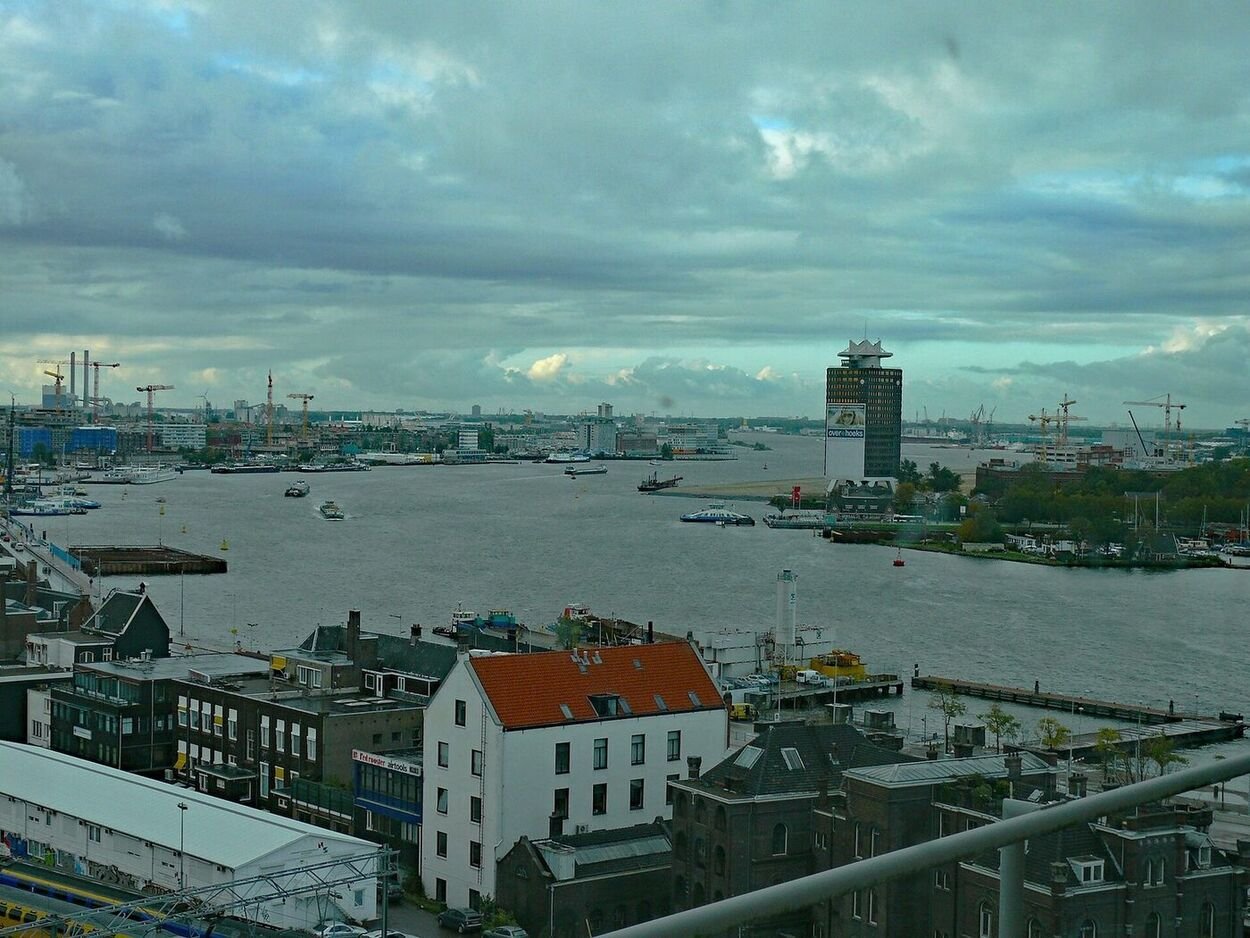
Which Indian port your household is likely to leave from
Families often assume the choice of loading port is ours to make on cost grounds alone. It is not: on a Netherlands-bound move it follows the origin city, the volume and the sailing calendar, in that order.
- Nhava Sheva (JNPT). The default for Mumbai, Pune, Gujarat and most of western and central India, and the port with the deepest choice of direct Rotterdam services. If the household is anywhere within a day’s trucking of it, this is almost always the answer.
- Mundra. The alternative for Ahmedabad, Rajkot and much of Gujarat, and a useful relief valve when Nhava Sheva equipment is tight around a festival period.
- Chennai. The natural loading point for Chennai, Bengaluru and Hyderabad households where the inland leg to the west coast would otherwise add days and cost.
- Cochin. The right choice for Kerala origins, and it removes a long road movement that an inexperienced planner would price in without noticing.
The inland leg matters more than families expect. A Bengaluru home routed through Chennai and a Bengaluru home trucked to Nhava Sheva can carry a materially different cost even when the sea leg to Rotterdam is comparable, and the shorter road movement also means fewer handling events before the container is sealed.
Two calendars govern the booking window
This lane is squeezed between two schedules that do not align. On the Indian side, April and May are the busiest household packing weeks of the year, Diwali brings several days of reduced activity across the ports and the transport market, and container availability at Nhava Sheva and Mundra tightens ahead of any long weekend. On the Dutch side, the late-August and September academic intake fills the delivery diary, the summer weeks around the school holidays are the peak for family moves, and King’s Day on 27 April, Christmas and New Year close the delivery window outright.
For most households the workable answer is to book the survey eight to ten weeks before the intended arrival in the Netherlands and to fix the sailing about six weeks out. That leaves room for the export documentation to be filed without haste, for a shared container to fill at the Indian port rather than sitting half-empty, and for the Rotterdam discharge and the onward road leg to absorb a few days of North Sea weather without pushing the delivery past your start date.
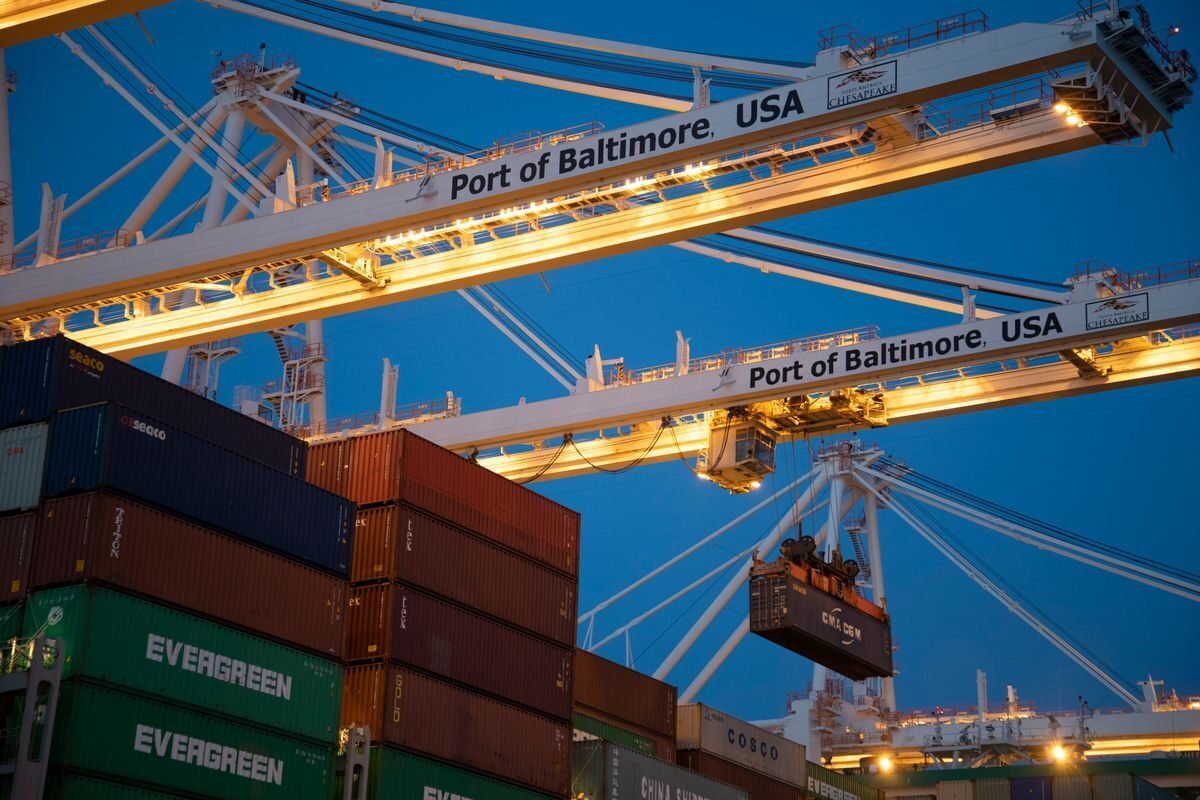
How the quotation for this corridor is built
There is no tariff card here and no price per box — this is a full-move service and the figure comes out of the survey. These are the variables that actually move it:
- Volume in cubic metres. The survey produces a cbm figure and that figure decides whether the shipment is a shared consignment, a 20ft container or a 40ft. The step from a part-load to a dedicated box is the single largest jump in the quotation.
- Origin city and loading port. Distance to the Indian port, not distance to Europe, is what changes between two otherwise identical households.
- Access at both ends. A lift or no lift in India; street width, window delivery and an external furniture lift in the Netherlands. A shuttle vehicle because the trailer cannot reach the door is a genuine line item, not a contingency.
- Special handling. Pianos, artwork, marble tops, temple pieces and anything needing a purpose-built case are priced individually against the crate, not against the volume.
- Insurance. All-risk marine cover is rated against the declared replacement value of the inventory, which is why the valuation exercise at the survey is worth doing properly rather than quickly.
- Storage. Time in store in India before sailing, or in the Netherlands between an interim flat and a permanent home, is charged by the period and is the item most often left out of a first estimate.
- An air tranche. Where a small quantity of essentials has to be in Amsterdam in the first week, it is priced separately from the sea consignment so you can see exactly what the speed is costing.
Questions Indian families ask before committing to a sailing
Do we need to be in the Netherlands when the container arrives?
Someone with authority over the shipment has to be reachable for the Dutch import declaration, and someone has to receive the goods at the address. Those need not be the same week. Where the household lands first, delivery is straightforward; where the container lands first, it waits in store near Rotterdam until you are ready. Holding goods for a fortnight is far better than delivering into an empty flat.
Can one shipment be split between two Dutch addresses?
Yes, and on this route it happens often — an interim apartment in Amsterdam, then a permanent house in Almere, Haarlem or Utrecht a few months later. It is planned at the survey, with the second tranche marked and stored separately. Separating it after the container has been stuffed costs several times more than planning it beforehand.
What happens if the start date moves?
Dates move on this corridor more often than people expect. Before the container is stuffed, the sailing can usually be rolled for the cost of a rebooking. After it has sailed, the flexibility sits at the Dutch end: clearance can be held and the goods stored near Rotterdam until the address is confirmed. Tell your coordinator the moment a date looks unstable, not once it has already gone.
Is it cheaper to sell everything in India and buy again in the Netherlands?
Occasionally, for a single professional in a small flat on a short posting. Rarely for a family. Once you price a bare Dutch let — flooring, lighting, white goods, beds and storage for three or four people at euro retail — a container from India usually wins on cost, and you keep the things you actually like.
Your move to the Netherlands, your way
Every move is different. Pick the guide that matches your situation for advice and pricing built around it.
Commercial Cargo & Freight to the Netherlands
Commercial cargo and freight from India to the Netherlands — sea freight through Rotterdam from Nhava Sheva or Chennai, with…
Read the guideCorporate & Office Relocation to the Netherlands
Relocating a business or office from India to the Netherlands — Indian commercial export clearance, sea freight through Rotterdam, and…
Read the guideEmployee Relocation to the Netherlands
Employee relocation from India to the Netherlands, built for HR and mobility teams managing the 30% ruling corridor — Indian…
Read the guideHousehold & Personal Moves to the Netherlands
Relocating your household from India to the Netherlands — export-packed from your Indian city, sea freight through Rotterdam, and door-to-door…
Read the guidePets & Vehicle Relocation to the Netherlands
Relocating pets and vehicles from India to the Netherlands — India export formalities, EU animal entry requirements and vehicle freight…
Read the guide