
- 20+ years moving households & cargo
- 184 countries destination corridors covered
- In-house customs clearance filed by our own team
- One coordinator from quote to delivery
The India–Bangladesh corridor is one of the busiest cross-border relocation routes in South Asia. A shared 4,000-kilometre land border, deep family and business ties, and Bangladesh’s fast-growing garment, manufacturing and services economy mean people and goods move constantly between the two countries. For families, professionals on assignment, NGO and development staff, and Indian businesses operating in Dhaka and Chattogram, the move from India to Bangladesh is a relatively short relocation — but one that still demands proper cross-border customs handling.
The move begins on the India side: export customs clearance through ICEGATE, preparation of the shipping bill under the Customs Act, AD code registration where required, and packing suited to the chosen mode. The India–Bangladesh corridor is unusual in that it offers a genuine choice — sea, air or a direct overland crossing — and the right answer depends on origin city, volume and timeline. Getting the India-end documentation right is what keeps a land-border or port clearance moving.
Freight routes & customs
For larger household and commercial volumes, sea freight is efficient: containers from Kolkata (Haldia), Nhava Sheva or Chennai sail to the Port of Chattogram (Chittagong) — Bangladesh’s principal seaport — or to Mongla, with short port-to-port transit from eastern India typically in the range of 7 to 15 days depending on routing. Overland is the other mainstay: road moves cross at established land ports such as Petrapole–Benapole, Gede–Darshana or the northeastern crossings, reaching Dhaka directly — often the quickest option for moves from West Bengal and the Northeast.
Air freight from Mumbai (BOM), Delhi (DEL), Bengaluru (BLR), Chennai (MAA) or Kolkata (CCU) flies into Hazrat Shahjalal International Airport (DAC) in Dhaka, with direct services keeping flying times short. Bangladeshi import formalities are handled by the National Board of Revenue (NBR) through Bangladesh Customs. New residents and returning nationals can claim relief on used household goods under transfer-of-residence provisions; we confirm the current evidence requirements — residence documentation, prior-ownership terms and a valued inventory — before dispatch.
Indian export clearance
Shipping bill filed on ICEGATE, AD code registration where required and Indian customs clearance managed at the port or land customs station — so the shipment leaves India correctly documented.
Sea, air or overland
Container service to Chattogram or Mongla, direct road crossings at Petrapole–Benapole and other land ports, or air freight into Dhaka — we recommend the mode that fits your origin and timeline.
Bangladeshi customs
Import declarations to Bangladesh Customs under the National Board of Revenue, with transfer-of-residence relief on used effects prepared and evidenced for new residents.
One coordinator, both ends
The same person manages your India survey, ICEGATE documentation, dispatch and Bangladeshi delivery — no handover gaps at the border or the port.
Who moves on this corridor
This single corridor serves the whole range of moves. Households and families relocate for work, marriage or to rejoin relatives across the border. Businesses and offices ship equipment, records and furniture as Indian firms staff operations in Dhaka and the industrial belts. Commercial freight is heavy on this route — machinery, garment-sector materials, project goods and trade consignments. NGO and development organisations move regularly too. We scale the same disciplined process from a few cartons to full container loads.
Where we deliver in Bangladesh
We deliver to all of Bangladesh’s major cities and their surrounding areas: Dhaka, the capital; the port city of Chattogram (Chittagong); Khulna in the southwest; Rajshahi in the northwest; Sylhet in the northeast; Barishal in the south; and the industrial hubs of Gazipur and Narayanganj around the capital. If your destination is a smaller town or a district headquarters, ask us — we deliver across the whole country.
How your move works
- India-side survey. We assess volume and contents at your home or office in India, in person or by video, and return a clear quote comparing sea, air and overland options with a realistic Dhaka or Chattogram arrival window.
- Export documentation. Indian export paperwork is prepared — shipping bill filed through ICEGATE, AD code confirmed where required, packing list and invoice — alongside the Bangladeshi customs file.
- Pack and dispatch. Our crew packs to export standard from your India origin, and the shipment is booked on the confirmed sea, air or overland routing.
- Clear and deliver in Bangladesh. We manage clearance with Bangladesh Customs, apply transfer-of-residence relief where eligible, and coordinate onward road delivery to your address.
Tell us where you are moving from in India and where you are heading in Bangladesh, and request a quote — your coordinator will guide you through the right starting point.
Road via Petrapole–Benapole: how the land crossing actually works
For a household moving from Kolkata, or from anywhere in eastern India, the road is the natural first question, and Petrapole–Benapole is the crossing that answers it. Petrapole sits in North 24 Parganas on the Indian side; Benapole is in Jashore district on the Bangladeshi side. The Integrated Check Post at Petrapole, opened in 2016, brought customs, passenger control and cargo handling into one compound, and it carries the bulk of India–Bangladesh road trade. That volume is a mixed blessing: it means the procedures are well worn, and it also means queues. Trucks can wait days at the border in busy periods, and a household move is one truck among thousands of commercial ones.
There is a second reality that matters for packing. In the normal course, Indian trucks do not run on to Dhaka. Cargo is transferred at the border onto Bangladeshi vehicles, so a road move involves one more handling than the phrase “direct by road” suggests. We pack for that transfer, with cartons that tolerate a second loading and an inventory that lets both sides check the count, and we say so in the quote rather than leaving it to be discovered at Benapole. Other crossings serve other origins: Changrabandha–Burimari from north Bengal, Dawki–Tamabil from Meghalaya into Sylhet, and Agartala–Akhaura for a family leaving Tripura for Dhaka. Which one we use depends on where you are starting from, not on habit.
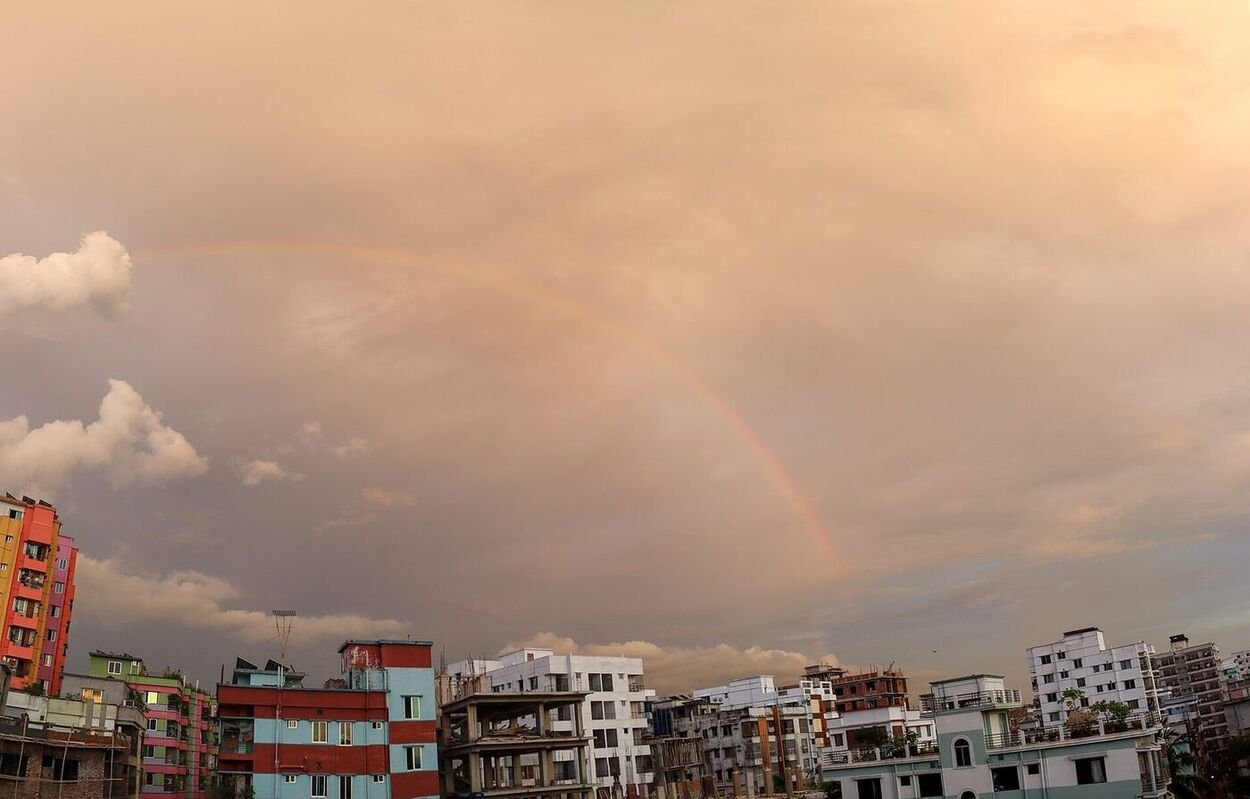
Short-sea to Chattogram, and why short does not mean simple
By sea the corridor is one of the shortest India runs anywhere. Containers load at Kolkata or Haldia, or at Chennai and Nhava Sheva for moves from the south and west, and sail into Chattogram, which handles the great majority of Bangladesh’s container traffic, or into Mongla. The 2015 coastal shipping agreement between the two countries opened direct coastal services, so cargo no longer has to loop through Colombo or Singapore to make a journey of a few hundred nautical miles. Port-to-port time from the east coast is measured in days.
The complication is not the sea leg but the port. Chattogram is busy and has been congested for years; berthing delays and yard dwell time are a recurring feature rather than an exception, and during the monsoon they lengthen. Haldia on the Indian side has draught limits that keep the vessels small. None of this makes sea the wrong choice for a Mumbai or Bengaluru household, where road would mean a long haul across India before the border. It means that the timeline we quote for sea includes port time as a real number, and that a container arriving at Chattogram in July is planned differently from one arriving in February.
Dhaka itself is reachable by river. Inland container movement between Kolkata and Bangladesh’s river ports runs under the Protocol on Inland Water Transit and Trade, and the Pangaon inland container terminal on the Buriganga south of the capital exists to receive it. For a household it rarely beats road or a Chattogram routing on time, but for commercial cargo bound for the Dhaka industrial belt it is an option worth pricing.
Dense two-way trade, and what it does for a household mover
India exports far more to Bangladesh than it imports, and the southbound flow of cotton, machinery, vehicles and foodstuffs fills the roads and the coastal vessels every week. For a family this is mostly good news. Equipment is available, sailings are frequent, the brokers on both sides do this every day and the customs authorities have seen every kind of declaration. Bangladesh Customs, under the National Board of Revenue, processes entries through the ASYCUDA World system, and an inventory that is clear about what is used, what is new and what each item is worth moves through it without drama.
The flip side is that used household goods are arriving into a regime built around commercial imports with high duty rates, and an inventory that looks like trade stock will be treated as trade stock. Twelve identical sarees in their retail packaging are a consignment; a family’s wardrobe is not. We build the inventory so that distinction is obvious to the officer reading it, and we confirm the current transfer-of-residence conditions before dispatch rather than at the port. On the India side, the shipping bill on ICEGATE and, for a road move, the export clearance at the land customs station are filed to match the packing list to the carton. Where the container or the truck is opened for examination, that match is what turns an inspection into a formality.
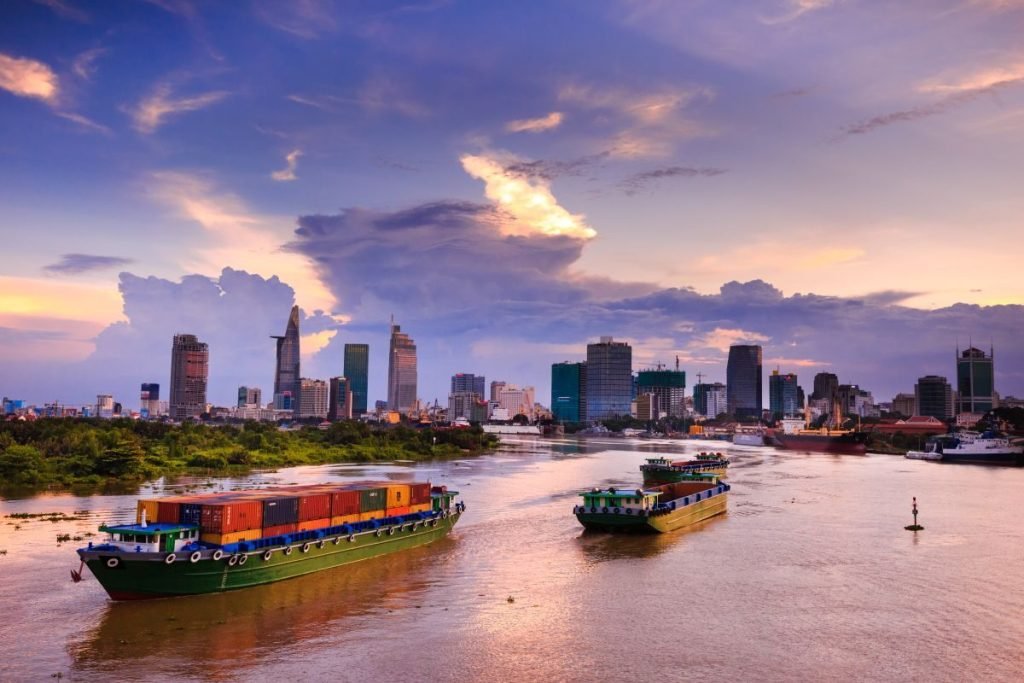
The timeline, three ways
Because this corridor genuinely offers three modes, the honest way to show time is to show all three. Survey, quote and export paperwork take the same week or two whichever you choose, and packing takes the same two or three days. After that the routes diverge.
- Road from Kolkata to Dhaka. Border processing at Petrapole–Benapole is the variable. Door to door often completes within about a week to ten days; a bad week at the border can add several days, and the transfer between vehicles is built into the plan.
- Sea into Chattogram. Sailing time is short, port time is not. Allow two to four weeks door to door from eastern India, longer from Nhava Sheva, with Chattogram dwell time and onward road to Dhaka included in the estimate rather than added later.
- Air into Dhaka. Direct flights from Kolkata, Delhi, Mumbai and Chennai make this the fastest option by far, with clearance at Hazrat Shahjalal and delivery typically completing within days. It prices by weight, so it suits the first suitcase-worth of the household rather than the whole of it.
Seasonality plays into all three. The monsoon from June to September brings flooding across much of Bangladesh, slows the roads on both sides of the border and lengthens port time at Chattogram. Eid holidays close the border for several days and back up the queues on either side of them. If you can choose your dates, the dry months from November to March are the easy ones; if you cannot, the plan simply allows for the season.
What moves the price on such a short corridor
Distance is not the main cost here; handling is. A road move pays for two loadings and a border transfer, a sea move pays for port charges at both ends and for the days a container sits at Chattogram, and both pay Bangladeshi duty on anything the transfer-of-residence relief does not cover. Volume matters as it does everywhere, though on this corridor a part-load by road is genuinely practical for a small household, which is not true of most international routes. Freight is generally billed in rupees or dollars and the destination charges in taka; the sums are smaller than on a deep-sea corridor, but the quote still states how long its figure holds, and it separates what is ours from what is the revenue authority’s so the two are never confused.
Questions Indian families ask about moving to Bangladesh
Do Indian appliances work in Bangladesh?
Yes. Bangladesh runs on 220 volts at 50 hertz, and the common socket types include the Indian-style round-pin pattern, so most appliances travel straight into use. This is one of the very few corridors where nothing in the kitchen needs a transformer or a rethink.
Can we take the car across?
Rarely worth it. Bangladesh’s rules on used vehicle imports are restrictive and the duty is heavy, and the process is entirely separate from a household consignment. Both countries drive on the left, so the car would suit the roads; the customs regime is the obstacle. We will set out the current position if you ask, but most families sell in India and buy in Dhaka.
Which mode is right for a move from Bengaluru or Mumbai?
Usually sea into Chattogram for the household and air for the essentials, because the road distance across India to the border is long enough to erase road’s advantage. From Kolkata, Guwahati or Agartala, road wins most of the time. The quote compares the options for your origin rather than assuming one.
Can the shipment wait if the flat in Dhaka is not ready?
Yes. Storage in Kolkata or at your origin city before dispatch is the cheaper option; storage in Dhaka after clearance puts the goods a day from your door once you have keys. On a short corridor like this one, holding the shipment in India and releasing it when the tenancy starts is often the neatest answer.