
Commercial Cargo & Freight to New Zealand
Commercial cargo from India to New Zealand — Indian export compliance, ISPM 15 packing, MPI biosecurity declarations and NZCS customs managed from start to finish.
The India–New Zealand commercial freight corridor is used by Indian exporters across textiles, food and beverage, engineering goods, pharmaceuticals, IT hardware and consumer goods destined for New Zealand’s growing Indian diaspora market and its broader commercial economy. It is not a simple corridor. The Indian export documentation chain is detailed; the sea transit is among the longest in international freight; and on arrival, the New Zealand Customs Service (NZCS) and Ministry for Primary Industries (MPI) apply import and biosecurity clearance processes that reward precise, complete documentation and punish vague or inaccurate filings. Seemleius commercial cargo from India to New Zealand manages both ends of that chain under one coordinator.
Indian export compliance for commercial freight
Commercial goods departing India require a shipping bill filed through ICEGATE at the gateway port, with the exporter’s IEC and the bank’s AD code correctly linked, accurate HS classification, a commercial invoice and packing list, and — for regulated categories — export licences, quality certificates or phytosanitary documents under India’s Foreign Trade Policy and relevant ministry approvals. For GST purposes, exports are zero-rated under a Letter of Undertaking (GST LUT) where one is in force, and the shipment qualifies for input tax credit refund; drawback and RoDTEP (Remission of Duties and Taxes on Exported Products) benefits are claimed against the shipping bill where the HS code and exporter profile permit. India’s principal gateways for New Zealand-bound freight are:
- Nhava Sheva (JNPT) — Mumbai’s main container port, serving Maharashtra, Gujarat and central India exporters with regular services to Auckland via Singapore or Tanjung Pelepas transhipment
- Chennai Port — the natural gateway for Bengaluru, Hyderabad, Chennai and the southern manufacturing and IT corridors, with strong connectivity to Auckland and the Tauranga import route
- Mundra — Gujarat’s major export terminal, used for western India freight where JNPT capacity is under pressure, and a regular feeder origin for Singapore-routed services
- Cochin — for Kerala exporters, with spices, seafood and agricultural goods that carry their own MPI-specific documentation requirements
We file the Indian export documentation with the same accuracy as the New Zealand import filing, because the commodity descriptions used in the Indian shipping bill form the basis of both the NZCS tariff classification and the MPI biosecurity risk assessment at the New Zealand end. Vague descriptions on the Indian side trigger more inspection, not less, in New Zealand.
New Zealand import clearance — NZCS, NZBN and GST
On arrival at Ports of Auckland or Tauranga, the consignment is declared to NZCS against the importer’s New Zealand Business Number (NZBN). GST at fifteen per cent is assessed on the CIF value plus any duty, recoverable by GST-registered importers in their next return; duty rates follow the Working Tariff Document and depend on HS classification — many manufactured goods of Indian origin enter at low or zero conventional rates, but accurate classification still matters because it determines the biosecurity pathway, the GST base and any anti-dumping treatment. For high-volume importers, NZCS Deferred Payment of duty and GST and bonded warehouse storage at Auckland or Tauranga are available where cash flow or stock timing make immediate clearance impractical — we can structure the arrival around either arrangement when it suits the trade pattern.
MPI biosecurity — the toughest regime in the world
MPI biosecurity inspection applies to commercial freight as it does to household goods, and New Zealand’s regime is widely regarded as the most rigorous of any major economy. Every India-origin container is x-rayed; a meaningful proportion is opened for physical inspection. The categories of greatest concern for India-origin commercial cargo include:
- Timber, wooden products and wood-based goods — subject to phytosanitary certification or treatment requirements; timber must be accompanied by an approved phytosanitary certificate or undergo treatment on arrival
- Wooden pallets and crating — must comply with ISPM 15 (heat-treated or fumigated and appropriately marked); compliance is strictly enforced and non-compliant wooden packaging is treated, re-exported or destroyed at the exporter’s cost
- Natural-fibre goods — jute, cane, rattan, bamboo, cotton and organic textile goods require specific MPI declarations and may require treatment
- Agricultural and food products — subject to import health standards (IHS) under New Zealand’s Biosecurity Act; many require permits or phytosanitary certificates from Indian authorities before shipment
- Used machinery and equipment — inspected for soil, organic matter and biological contamination; cleaning certificates may be required before despatch from India
Indian commercial export
ICEGATE shipping bill, AD code linkage, GST LUT, drawback and RoDTEP claims, HS classification, commercial invoice and phytosanitary documentation managed at your Indian gateway port.
ISPM 15 packing compliance
All wooden packaging and crating materials sourced and certified to ISPM 15 standard before departure from India — MPI compliance is strictly enforced.
MPI biosecurity declarations
Commodity descriptions and MPI import health standard (IHS) requirements prepared accurately — specific descriptions clear faster than vague ones.
NZCS clearance and GST
NZBN-linked import declaration, tariff classification, fifteen per cent GST assessment and any duty, deferred payment or bonded warehouse treatment filed and managed on your behalf at Auckland or Tauranga.
How a commercial shipment from India to New Zealand runs
- Cargo briefing. Commodity type, materials, packaging, HS codes if known, value, weight, dimensions, Indian origin city and required New Zealand delivery date. Any organic, natural-material or food content flagged at this stage.
- Compliance review and quote. We assess Indian export requirements — ICEGATE filing, drawback/RoDTEP eligibility, GST LUT — alongside MPI biosecurity obligations and NZCS classification for your specific cargo, and return a clear quote with the freight mode, transit time and compliance steps explained.
- Documentation and dispatch. Indian export documentation is prepared at the gateway port, ISPM 15-compliant packing is used throughout, MPI and NZCS documentation is prepared, and the cargo departs on the booked route via Singapore or Tanjung Pelepas transhipment.
- Transit, clearance and delivery. Your coordinator monitors the shipment through Indian export, the thirty-five to forty-five day sea transit, NZCS customs, MPI inspection and delivery to your New Zealand commercial address or bonded warehouse.
The documentation complexity on the India–New Zealand corridor is front-loaded — getting it right before departure is what makes the clearance at the New Zealand end routine rather than complicated. Request a freight quote and we will assess your cargo and its compliance requirements before pricing.
What actually sets the price of a New Zealand-bound container
Quotes on this lane vary more than importers expect, and almost never because one forwarder is cleverer than another. The variables are structural, and they are worth understanding before comparing two numbers side by side.
- Tariff classification. The HS code does more than set a duty rate. It steers the biosecurity pathway, determines whether an import health standard applies, and decides how much documentation MPI expects before the box is released. A cargo classified loosely pays for it twice.
- Full container against consolidated cargo. A full container sails on the schedule you book. Consolidated cargo sails when the consolidation closes, and Auckland consolidations close less often than Gulf or Southeast Asian ones. For a fast-moving line of stock, the difference is not a rounding error.
- Which hub the box connects through. Routings via Singapore, Port Klang and Tanjung Pelepas do not all offer the same onward frequency to New Zealand, and a two-day saving on the feeder can be undone by a five-day wait for the connection.
- Packaging specification. Certified timber crating, dunnage and bracing cost more than whatever is in the yard. So does the alternative when non-compliant timber is intercepted at the New Zealand end.
- Inspection and levy exposure. New Zealand recovers its border costs through transaction fees and biosecurity levies on the import entry, and charges for inspection and treatment where they occur. Cargo with an organic or used-equipment profile carries a higher expected inspection cost than a sealed pallet of finished electronics.
- Free time at the port. Detention and demurrage clocks start on arrival, not on clearance. On a lane where a documentary query can take days to resolve, entries that are filed before the vessel berths are worth real money.
- Inland distribution in New Zealand. Auckland and Tauranga are the arrival points; Hamilton, Palmerston North, Wellington, Christchurch and Dunedin are road and coastal legs behind them, and the South Island legs are the longest.
Sea against air when the lane is this long
Air freight on this corridor is not a luxury version of sea freight. It is a different tool with a different job, and the case for it is strongest for exactly the cargo that sea handles worst: high value per cubic metre, short shelf life, launch stock, warranty replacements and anything a customer is already waiting for.
| Sea | Air | |
|---|---|---|
| Gateways | Nhava Sheva, Mundra, Chennai, Cochin to Auckland, Tauranga, Lyttelton, Wellington, Napier | BOM, DEL, BLR, MAA, COK to AKL, with WLG and CHC behind it |
| Transit | Thirty-five to forty-five days port to port, plus the inland legs | Airport to airport in days, via a Southeast Asian or Australian hub |
| Suits | Bulk stock, furniture, machinery, anything heavy or low value per cubic metre | Samples, launch quantities, spares, pharmaceuticals, urgent replenishment |
| Packaging | Certified timber crating, full sea-freight bracing, moisture protection for a long voyage | Lighter export cartons, palletised, built to the airline’s dimensional limits |
| Biosecurity | Container exterior and contents both in scope; devanning happens at an approved facility | Same documentary standards, but a smaller consignment usually clears faster |
Where the trade pattern allows it, the sensible structure is a sea programme carrying the volume and an air lane held open for the exceptions. Deciding that in advance is cheaper than deciding it in a crisis.
What happens between the berth and your warehouse
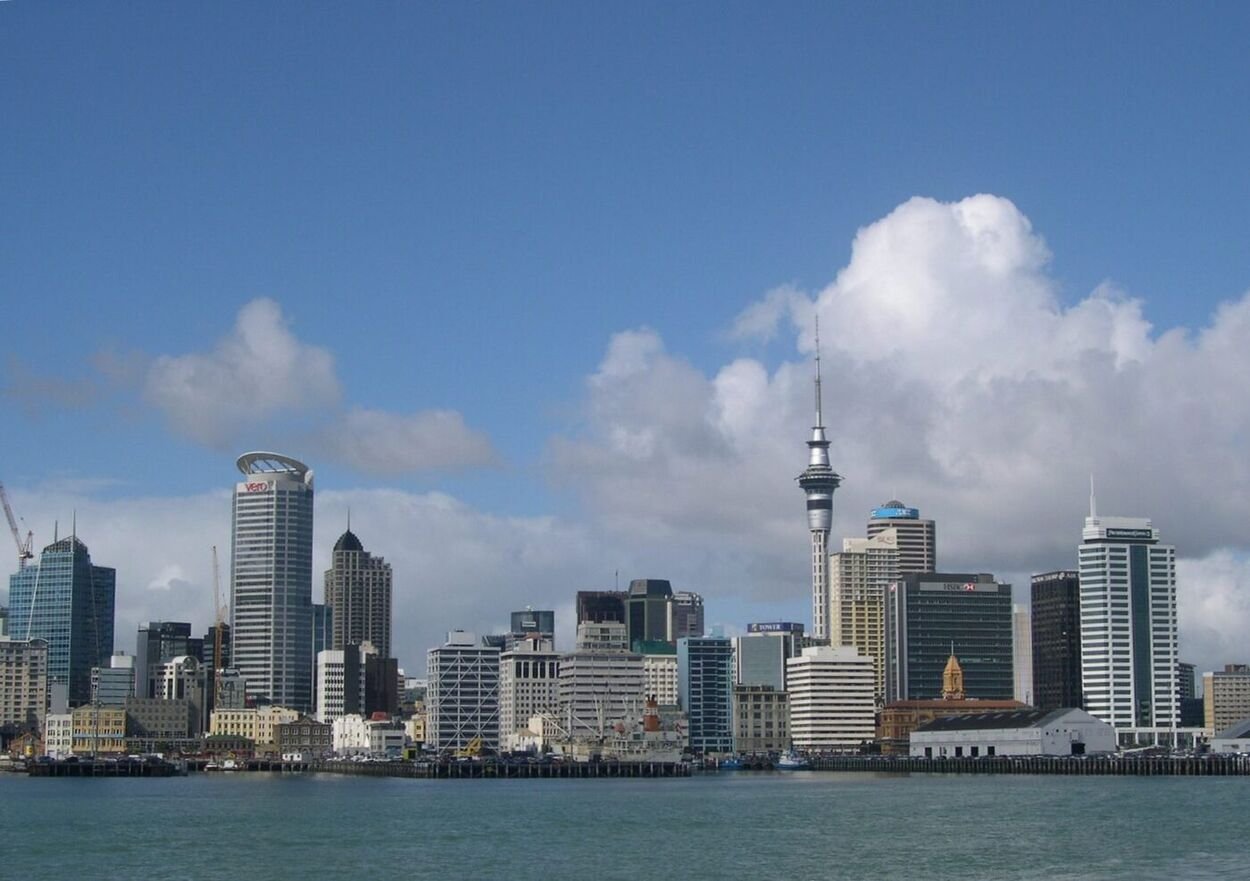
The New Zealand arrival sequence is more structured than most import lanes, and knowing the order of it removes most of the anxiety. The vessel discharges at Auckland or Tauranga. The import entry sits with New Zealand Customs through the Trade Single Window, where the classification, value and origin details are assessed. In parallel, the consignment sits against its biosecurity direction: cleared on documents, held for a documentary check, or directed for inspection.
Containers are not opened on the wharf. They are moved under direction to an approved transitional facility, which is the only place a sea container from an overseas port may lawfully be unpacked. Unpacking happens under the facility’s operating conditions, with the container exterior and the goods both open to examination. If something needs treatment, it happens there, and the container is not released to the road until the biosecurity direction is lifted.
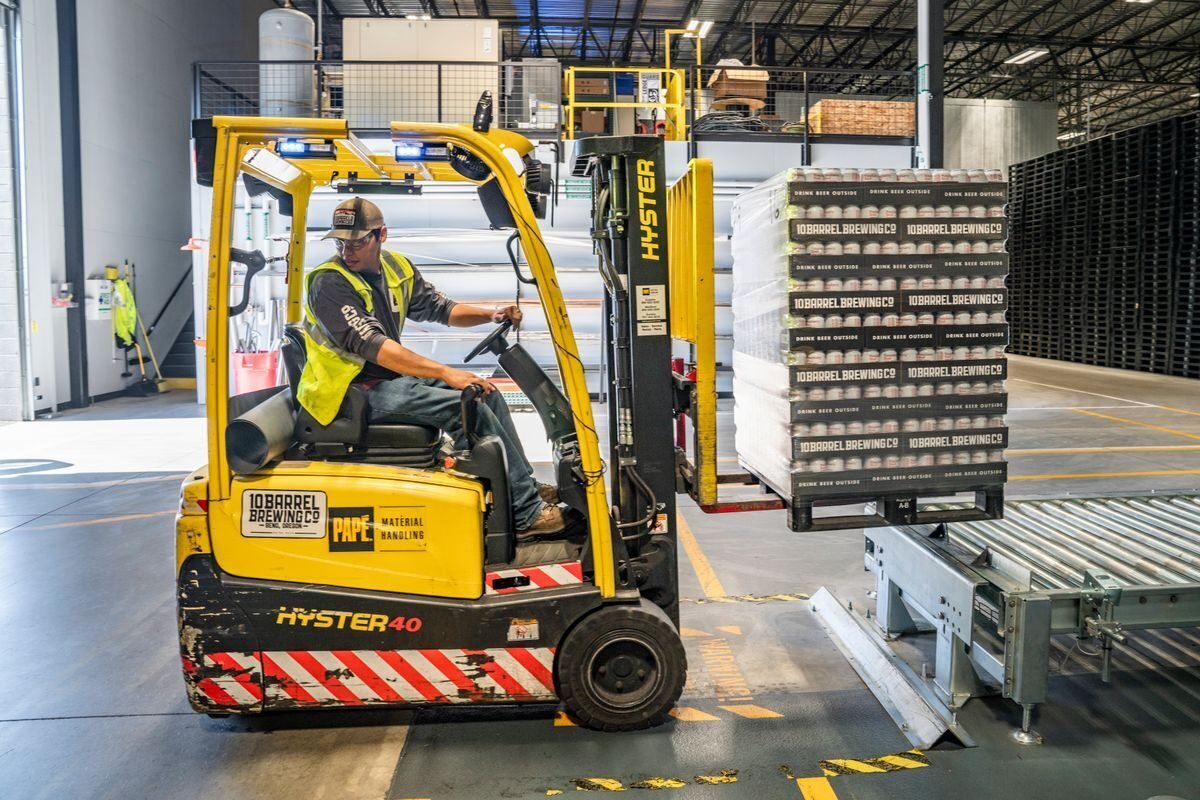
Once released, distribution is straightforward: a direct delivery to your site, a cross-dock into a pallet network for multi-drop orders, or a hold in storage while stock is called off. The part importers most often under-plan is the receiving end — a 40ft container needs a dock or a level, unobstructed hardstand and a forklift with the right capacity, and a site that cannot offer that turns a two-hour unload into a chargeable half-day.
Commodity notes from this lane
Some categories of Indian export carry requirements that sit outside the freight arrangement entirely, and they need to be settled before a booking rather than after.
- Plant and plant-derived goods. Where an import health standard requires it, a phytosanitary certificate must be issued at the Indian end by the national plant protection authority before the goods depart. It cannot be obtained retrospectively once the cargo is on the water.
- Food and beverage. New Zealand regulates who may import food commercially and where it may come from, and imported food must meet New Zealand composition and labelling requirements before it is offered for sale. The freight is the easy part of a food launch.
- Used plant, machinery and tooling. Second-hand equipment is inspected for soil, seeds, plant residue and insects. Cleaning to a genuinely clean standard before it leaves India, with a cleaning declaration to support it, is the difference between release and a bill for remedial work at a transitional facility.
- Natural fibre and handicraft lines. Jute, coir, seagrass, bamboo, rattan and dried decorative material are exactly what the border is looking for. They can move, but they need accurate descriptions and often treatment.
- Medicines and therapeutic products. Medicines, medical devices and therapeutic claims are regulated in New Zealand independently of customs clearance, and the regulatory position needs to be resolved by the importer before the first shipment is booked.
- Preferential origin. Whether any preferential rate is available depends on what is in force between the two countries at the time of shipment. It is confirmed at booking against the current tariff position rather than assumed from a previous consignment.
Questions exporters and importers ask about this lane
Does non-timber packaging avoid the wood rules?
Plastic and moulded-fibre pallets sit outside the timber packaging standard, which removes one problem and creates another: they still have to be clean, and any timber used for dunnage, bracing, chocks or blocking inside the container is caught by the same rules as a pallet. A compliant pallet under a load braced with untreated offcuts is a non-compliant consignment.
How far ahead should a first shipment be planned?
Ten to twelve weeks from decision to delivered stock is a realistic first cycle, and rather less once the classification, packaging specification and importer arrangements are settled and repeatable. Most of the first-cycle time goes on getting the paperwork right once; repeat shipments run on the schedule.
Can one container hold several product lines?
Yes, and it usually should on a lane this long. The requirement is a packing list that maps each line to its cartons and marks, because the border examines the consignment as a whole and a single unexplained item holds everything behind it. Mixed loads are a documentation exercise, not a freight problem.