
- 20+ years moving households & cargo
- 184 countries destination corridors covered
- In-house customs clearance filed by our own team
- One coordinator from quote to delivery
Bolivia is a landlocked country in the heart of South America, and that single fact shapes everything about moving there from India. There is no Bolivian seaport — cargo arrives through neighbouring countries and travels inland by road or rail. The India–Bolivia corridor is modest but genuine, carrying mining and energy professionals, engineers on infrastructure projects, NGO and development workers, and a small community of traders and entrepreneurs drawn to La Paz, Santa Cruz and Cochabamba.
The India–Bolivia journey is decided at the India end: export customs clearance through ICEGATE, the shipping bill filed under the Customs Act, AD code registration with the originating port, and packing built to survive a long ocean transit followed by an inland leg through a transit country. Bolivia’s landlocked geography makes coordination across that handover the make-or-break detail. Seemleius manages the whole corridor as one job.
The India–Bolivia corridor
Household and commercial sea freight ships as containerised cargo from Nhava Sheva (JNPT), Mundra, Chennai or Cochin to a Pacific-coast transit port — most commonly Arica or Iquique in Chile, which handle the bulk of Bolivian transit trade, or a Peruvian gateway — before customs-bonded onward movement by road into Bolivia. Realistic door-to-destination transit runs in the region of seven to ten weeks once the inland leg and border formalities are included.
Air freight from Mumbai (BOM), Delhi (DEL), Bengaluru (BLR) or Chennai (MAA) routes via a hub into El Alto International Airport (LPB) serving La Paz, or Viru Viru International Airport (VVI) at Santa Cruz, for urgent moves. On arrival, clearance is handled by the Aduana Nacional de Bolivia; used personal and household effects accompanying a genuine change of residence may qualify for relief, and we prepare the Spanish-language documentation and the transit paperwork in advance.
Indian export clearance
Shipping bill filed on ICEGATE, AD code registration and Indian customs clearance managed at Nhava Sheva, Mundra, Chennai or Cochin — the shipment leaves India correctly documented.
Bolivia customs regime
Clearance through the Aduana Nacional de Bolivia, with customs-bonded transit from the Pacific coast and used-household-goods relief confirmed and documented in Spanish.
Sea and air options
Containerised sea freight via a Chilean or Peruvian transit port with inland road movement, or air freight into El Alto (LPB) or Viru Viru (VVI) when timing is critical.
One coordinator, both ends
One coordinator owns your India survey, ICEGATE documentation, dispatch, transit-country leg and Bolivia delivery — no gaps across borders.
Who moves on this corridor
The India–Bolivia route serves several mover types. Households are professionals, engineers and development workers relocating furniture and personal effects with their families. Business and office moves cover companies in mining, energy and infrastructure shipping office equipment, IT and records. Commercial freight covers Indian suppliers sending machinery, equipment and stock for projects and trade.
Where we deliver in Bolivia
We deliver across the country: La Paz, the administrative capital, and neighbouring El Alto; Santa Cruz de la Sierra, the largest city and commercial centre; Cochabamba in the central valley; Sucre, the constitutional capital; and Oruro, Potosí and Tarija. Altitude and mountain roads shape onward delivery scheduling between the highland and lowland cities, and we plan around them.
How your move works
- India-side survey. We assess volume and contents at your home or office in India — in person in major cities or by video — and return a clear quote with sea and air options and a realistic Bolivia arrival window.
- Export documentation. Indian export paperwork is prepared: shipping bill filed through ICEGATE, AD code confirmed, packing list and invoice, plus the Spanish-language and transit documents Bolivian customs will expect.
- Pack and dispatch. Our crew packs to export standard from your India origin, and the shipment is booked via the confirmed Pacific transit port or flown via hub to LPB or VVI.
- Clear and deliver in Bolivia. We manage Aduana Nacional clearance, apply used-goods relief where you qualify, and coordinate onward road delivery to your address.
If you are planning a move from India to Bolivia, request a quote and your coordinator will walk you through the routing, transit leg, timeline and documentation.
Three legs, one job
An India–Bolivia move is really three moves stitched together, and it is worth being plain about that because it is what makes the timeline long. Nothing sails to Bolivia. A container leaves Nhava Sheva or Chennai for a Pacific-coast port in Chile or Peru, waits there while transit paperwork is lodged, and then rides a truck over the Andes to the Altiplano. Each hand-over is a place where time is lost if nobody owns it.
| Leg | Route | What decides the time |
|---|---|---|
| Ocean | Nhava Sheva, Mundra, Chennai or Cochin to Arica or Iquique, via a transhipment hub | Sailing frequency to the west coast of South America, which is thinner than to the Atlantic side; dwell at the hub. |
| Port and transit | Discharge, Bolivian transit declaration, loading to a bonded truck | Whether the documents are ready; the port’s own dwell; whether the truck was booked before the vessel arrived. |
| Overland | Arica to La Paz through the Tambo Quemado crossing, or Iquique to Oruro through Colchane–Pisiga; onward to Cochabamba or Santa Cruz | Border processing, the Altiplano weather, and how far past La Paz the delivery goes. |
Seven to ten weeks door to destination, as the top of this page says, is the honest range. It can be shorter when the sailings line up and the paperwork is ready before the ship berths; it is longer when one of those things is not true. We quote a window, not a date, and we tell you which leg is driving it.
The Arica question
Bolivia lost its coast to Chile in the nineteenth century, and the settlement that followed gives Bolivian cargo free transit through Arica and Antofagasta. Arica is the port most Bolivia-bound freight uses, with a Bolivian port-services agency on the quay and a truck route up to Tambo Quemado at well over four thousand metres. Iquique is the alternative, closer to Oruro and with a free-zone economy of its own; some forwarders prefer it when Arica is congested. The Peruvian ports at Matarani and Ilo reach La Paz through Desaguadero and are used less often for household moves. For Santa Cruz, in the eastern lowlands, the Pacific route still works but means a long overland journey; the Brazilian rail and road route through Corumbá and Puerto Suárez exists and is sometimes the better answer for cargo bound only for the east.
We hold no fixed preference. The routing is chosen per shipment against the sailing schedules available that month, where in Bolivia the goods are going, and the state of the border crossings. You will see the chosen port on the quote, not discover it on the bill of lading.
Documents at the Bolivian end
The Aduana Nacional de Bolivia works through licensed customs brokers, and the import is filed on its electronic system by the broker on your behalf. Used household effects belonging to a person moving their residence to Bolivia can be admitted under the relief for household goods, but the relief has to be claimed with evidence rather than assumed, and the file is in Spanish.
- An itemised packing list in Spanish, valued, with electronics identified by make, model and serial number.
- The bill of lading naming the consignee exactly as the passport does.
- Passport copies and whatever identification the broker needs to file the declaration in your name.
- Evidence of the period lived abroad—typically employer letters and utility bills from India—since the relief is meant for people arriving, not for goods bought to import.
- The international road transit declaration covering the leg from the Chilean port to the Bolivian border, which is lodged before the vessel arrives.
Some of these are documents you already own and some have to be produced, translated and in a few cases apostilled. The list is agreed with you at the survey so that nothing is being chased while a container sits on the quay at Arica running up storage. The residence side of your move is between you and the Bolivian authorities; our part is to make sure the goods are cleared correctly once you are there.
Packing for altitude and a long ride
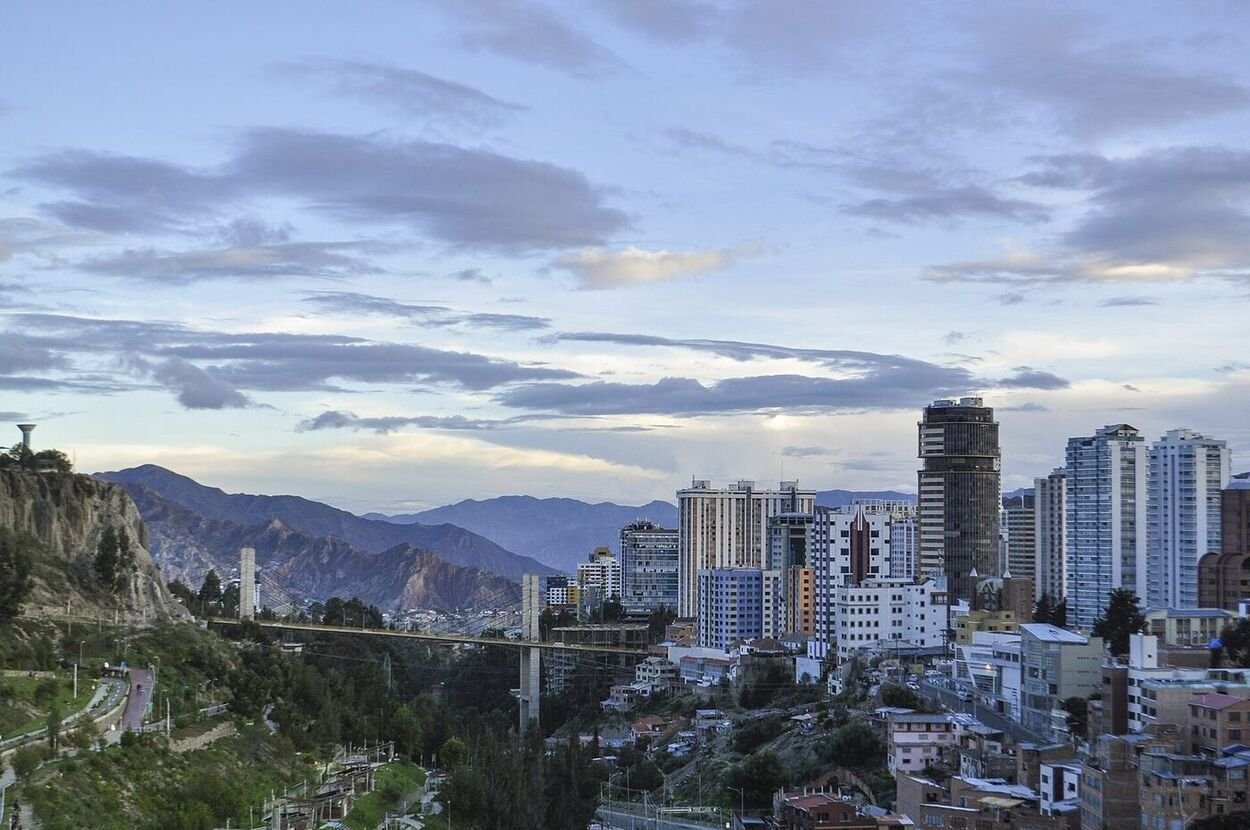
La Paz sits above 3,600 metres and El Alto higher still. That is not a detail for the packing crew to ignore. Sealed containers of liquid expand as the pressure drops; aerosols, toiletries and anything in a pump bottle either stay in India or travel in sealed bags inside a carton that can be wiped down. Cushioned furniture, boxed electronics and vacuum-packed bedding all cope, but a good crew tapes seams, adds an inner liner and expects the cartons to have flexed a little by the time they reach the door.
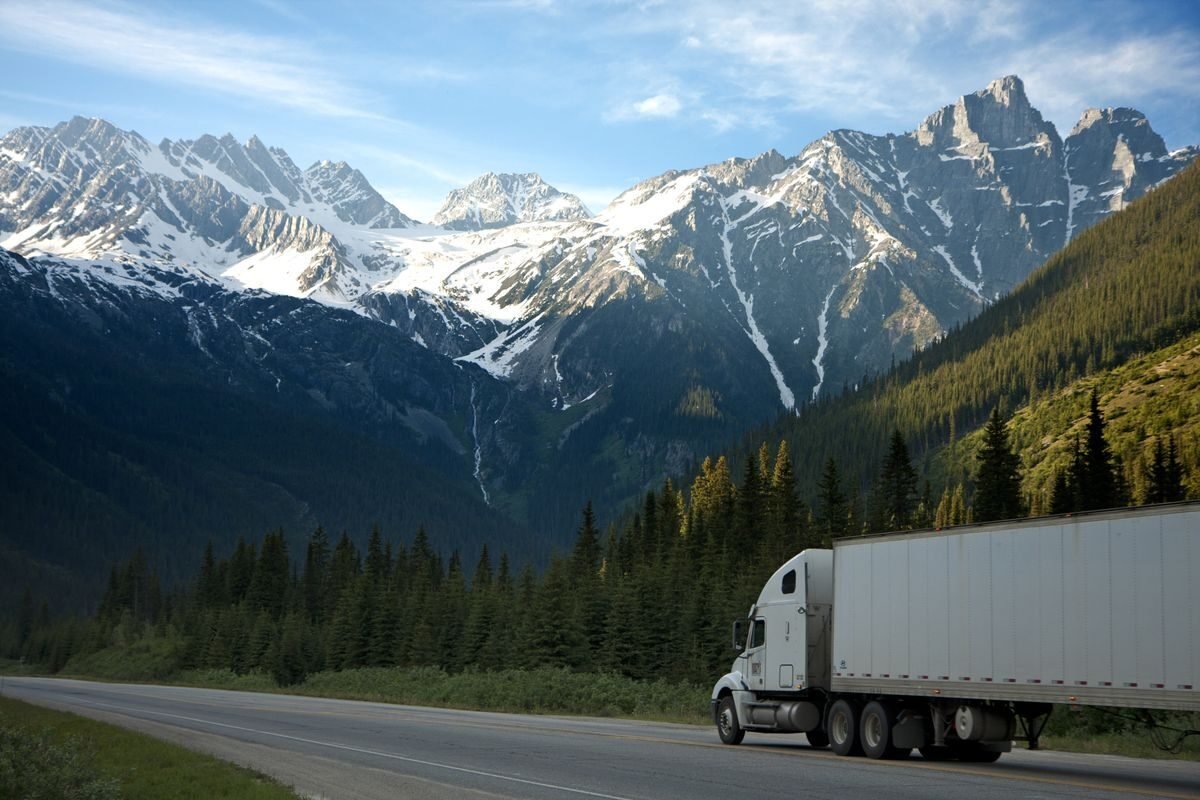
The ride itself is the other consideration. A container that has crossed an ocean and then been trucked over a pass has been vibrated for a very long time. Flat-pack furniture is crated rather than stacked; glass is boxed upright with corner protection; anything on castors is immobilised. This is the discipline we apply on every long corridor, but the Andean leg is where it earns its keep. Santa Cruz, by contrast, is low, hot and humid, so a consignment bound there gets the desiccant treatment instead of the pressure one—and a shipment split between the two cities gets both.
A realistic timeline
- Weeks one and two: survey and quote. In person in the main metros or by video elsewhere. We confirm the volume, the routing options and the document list.
- Weeks two to four: documents and booking. Spanish translations, apostilles where needed, the ICEGATE shipping bill, and the sailing booked to the chosen Pacific port.
- Packing week. One to two days for a family home, longer for an office with IT to decommission.
- The ocean leg. The longest stretch. You will have the vessel name and the transhipment port from the start.
- Port, transit and border. Discharge, transit declaration, bonded truck, the Andes.
- Delivery. Clearance in Bolivia, then delivery to La Paz, Cochabamba or Santa Cruz. Unpacking and debris removal are part of the job, not an extra.
Booking sensibly means starting the conversation at least ten to twelve weeks before you want your goods at the door—not because the packing takes that long, but because the sailings to the Pacific coast are not daily and the document list is real. If your start date is already fixed and closer than that, say so; a small air consignment into El Alto or Viru Viru can carry the first month while the container is still at sea.
Season plays into that window. The Altiplano’s rains fall from roughly December to March, when the road down from Tambo Quemado can close for hours at a time and the border post itself, at that altitude, is a cold and slow place to queue. Carnival, in February or March, thins out brokers and drivers for the better part of a week—Oruro’s is the largest in the country and the city effectively stops. The lowlands around Santa Cruz have their own wet season and their own flooding. April to November is the comfortable stretch for the overland leg, and a booking that puts the container at Arica in May rather than January buys a smoother Andes crossing for no extra money.
Questions we are asked about Bolivia
Why can’t the container go direct?
Because there is nowhere for it to go. Bolivia has no seaport. Every container is discharged in Chile or Peru and completes the journey by road under a transit declaration. Choosing the port is the first real decision of the move.
Which city is easiest to deliver to?
La Paz and El Alto are closest to Arica and see the most traffic, but the steep streets and the altitude make the final delivery physical work. Santa Cruz is flat and warm but far from the Pacific ports. Cochabamba sits between the two in every sense. None is difficult; each is different, and the quote reflects it.
Should anything go by air?
A little, usually. Flown out of Bengaluru, Mumbai or Delhi through a hub, a consignment is at El Alto or Viru Viru within days, and its cost follows volume and weight, so it is the right tool for work equipment, a child’s essentials, medical items and documents. It is the wrong tool for furniture. The pattern that works on this corridor is one sea shipment for the home and one small air shipment for the weeks before it lands.
Can I use the household-goods relief if I have lived in India all my life?
The relief is for people establishing residence in Bolivia and bringing used goods of their own. Whether your circumstances qualify is a question for the customs broker with your documents in front of them, and we raise it at the survey rather than at the port.