
Moving to Bahrain
Seemleius moves households, offices and freight from India to Bahrain by sea and air — one coordinator from your Indian city to your Manama address.
- 20+ years moving households & cargo
- 184 countries destination corridors covered
- In-house customs clearance filed by our own team
- One coordinator from quote to delivery
For Indians relocating to Bahrain, the corridor carries real weight. Bahrain has maintained deep ties with the Indian subcontinent for generations — a large Indian community is established across Manama, Seef and Juffair, and the professional flow in both directions has only grown as Bahrain’s financial services sector has internationalised. Whether the move follows a banking role, a family reunion, or a business opportunity in the Gulf’s oldest finance hub, Seemleius manages the India-to-Bahrain journey from start to finish.
This page sets out how the corridor works from the Indian side. From here, move into the guide written for your specific situation.
How goods travel from India to Bahrain
India and Bahrain are connected by sea and air. There is no overland route. The mode you choose depends on what you are moving and how quickly it needs to arrive:
Sea freight
The right choice for full household volumes and large commercial consignments. India’s west-coast ports — Nhava Sheva (JNPT) near Mumbai, Mundra in Gujarat, and Cochin — serve the Gulf route well, with sailings into Khalifa Bin Salman Port in Bahrain.
Air freight
For time-critical cargo, priority personal effects, or when a start date cannot wait on sea transit. Indian gateways include Mumbai (BOM), Delhi (DEL), Bengaluru (BLR) and Chennai (MAA), routing into Bahrain International Airport (BAH).
Indian export documentation
Household goods and personal effects leaving India require a shipping bill and export clearance. We prepare and submit the Indian export paperwork at the origin end — this is a critical step that determines clearance speed at both borders.
Bahrain import clearance
On arrival at Khalifa Bin Salman Port or BAH, we coordinate customs clearance into Bahrain under GCC import regulations, so your goods clear cleanly and reach Manama without delay.
The Indian gateway that serves you best
Where you are moving from shapes the origin logistics as much as where you are going. Mumbai and Pune shipments load naturally through Nhava Sheva. Gujarat and Rajasthan moves often use Mundra. Kerala and southern India — Kochi, Bengaluru, Chennai, Hyderabad — have good access to Cochin or Chennai Port for sea, and strong air links from MAA, BLR and Kochi airport. Delhi and the NCR region typically ships by air via DEL or consolidates with a Mumbai-port sea service. We advise on the best gateway for your origin city and volume.
A corridor with deep roots
The India–Bahrain relationship is one of the Gulf’s oldest. Indian professionals, traders and skilled workers have been part of Bahrain’s fabric for well over a century. That history means the customs authorities on both sides understand this corridor, the documentation requirements are well established, and the community on the Bahrain end is large enough to provide real settling-in support. A move to Manama from India is not a leap into the unknown; it is a well-worn path, and Seemleius runs it constantly.
Find the guide that fits your move
A family reuniting in Juffair, a professional joining Bahrain’s financial services sector, a company establishing a presence in the Bahrain Financial Harbour, and a freight shipper moving commercial goods — all are on the same sea route but running completely different operations. Each guide below is built around one of those situations. Pick the one that matches yours, or request a quote and a coordinator will take it from there.
Transit times and what to plan around
Sea freight from Nhava Sheva, Mundra or Cochin to Khalifa Bin Salman Port typically lands in the 10 to 14 day range port-to-port, with feeder services and transshipment patterns shifting that figure by a few days either way depending on the carrier and the time of year. Add Indian export documentation time at the front and Bahrain clearance time at the back, and a realistic start-to-finish window for a household move is closer to four weeks. Air from BOM, DEL, BLR or MAA into BAH is roughly four hours in the air, with Gulf Air, Air India Express and IndiGo running daily frequencies; door-to-door for air freight is usually a week to ten days. We build the schedule around the date you actually need to be living in Bahrain, not around the cheapest possible booking.
A large Indian community already on the ground
Around 370,000 Indians live in Bahrain — about a quarter of the country’s population — with Malayali, Tamil and Gujarati communities particularly well established. Indian schools, places of worship, restaurants and community organisations are part of daily life in Manama. Practically, that means settling-in support exists locally, the Bahrain authorities deal with India-origin documentation routinely, and the corridor is operationally mature on both sides. Once you have picked the audience guide that matches your situation, request a quote and we will plan the move around your dates.
Monsoon at one end, summer at the other
The India–Bahrain corridor has a seasonal rhythm worth understanding before you fix a moving date. On the Indian side, the south-west monsoon runs June to September, and it lands squarely on the coastline your shipment departs from — Mumbai, the Konkan, Kerala. Packing in monsoon humidity calls for heavier protective wrapping, road legs into Nhava Sheva or Cochin slow in sustained rain, and yard handling at the port occasionally pauses during a downpour. None of this stops a move; it simply has to be planned for rather than discovered.
On the Bahrain side, the pressure point is summer. From June through September, daytime temperatures sit above forty degrees with heavy coastal humidity, and Bahrain enforces a midday outdoor work ban through July and August — so unloading and physical handling compress into mornings and late afternoons. Ramadan adds a movable variable: working hours shorten at ports, government counters and residential buildings alike, and because the Islamic calendar shifts roughly eleven days earlier each year, a delivery date that was unaffected this year may sit inside Ramadan the next. We hold current dates for both when we plan delivery windows in Manama, and we tell you plainly if your preferred week is a bad one.
The comfortable window is October to April — Bahrain’s winter is genuinely mild — and demand on the corridor reflects it. Book four to six weeks ahead in that period; sailings run year-round, but the packing crews and delivery slots that suit your dates are claimed first.
Customs at both ends, in plain terms
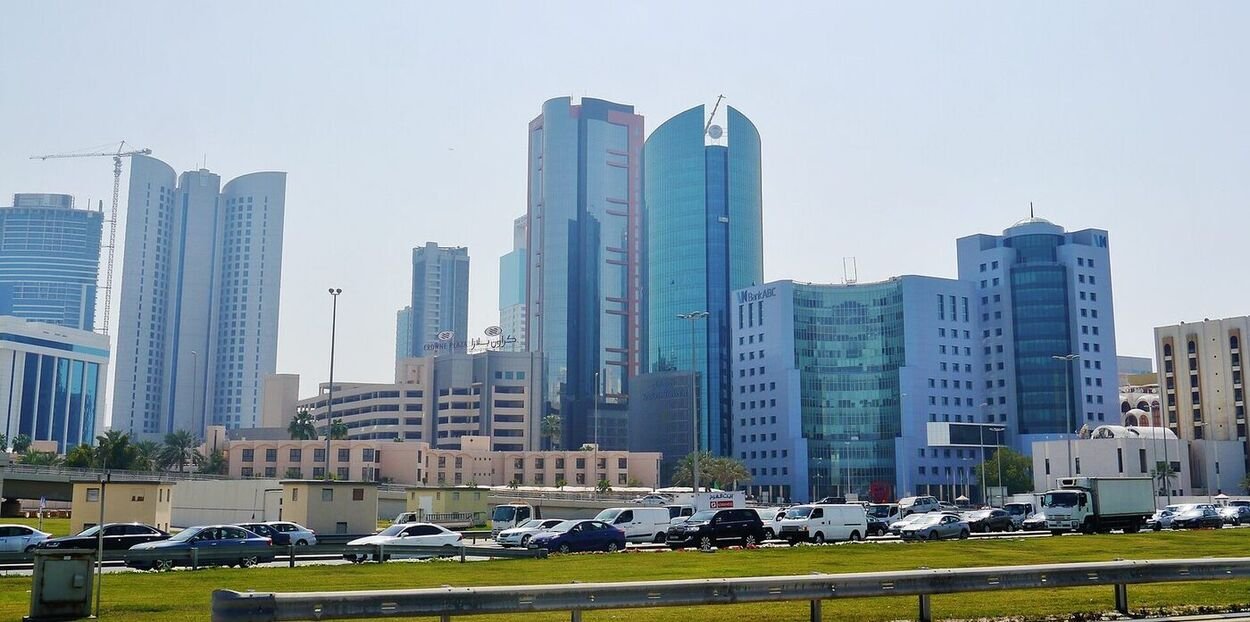
Two customs regimes touch every consignment on this corridor, and both behave predictably when the paperwork is right. Leaving India, personal effects need a shipping bill filed with Indian customs against a complete inventory — the same electronic filing commercial exporters use, applied to a household. That inventory is the document everything downstream leans on, which is why our crews build it carton by carton during packing rather than reconstructing it afterwards from memory.
Arriving in Bahrain, clearance runs through Bahrain Customs’ electronic single window. Used household effects belonging to a person taking up residence are generally admitted without duty, provided the goods are visibly used and the inventory reads as a home rather than a shop — new items still in retail packaging can be assessed at the standard five per cent GCC tariff. A short list of goods is restricted or prohibited outright, and a handful of categories — medicines beyond personal quantities, drones, certain radio and satellite equipment — need approvals that are far easier to arrange before the vessel sails than after it berths. We screen your inventory for all of this at the survey stage, while there is still time to act on it.
What actually drives the cost
We do not publish rate cards for this corridor because two identical-sounding moves can price very differently. What moves the number is consistent, though. Volume is the largest single factor — the jump from a groupage share to a dedicated container, or from a 20-foot box to a 40-foot one, matters more than any other decision. Origin access comes next: a third-floor flat with no lift in a narrow Kochi lane takes crew hours that a Pune townhouse with a driveway does not. Then mode, since air is priced on weight and sea on space; then season, because peak-window demand tightens both crew availability and slot pricing; and finally insurance, which scales with the declared value you set. Distance inside Bahrain barely registers — the island is small enough that delivery to Riffa costs much the same as delivery to Seef.
A survey turns all of that from estimate into commitment. It costs you an hour and removes the padding a mover has to build into any quote produced sight unseen.
Sea or air, when the sea leg is this short
Bahrain rewrites the usual sea-versus-air arithmetic. A direct sailing from Mundra or Nhava Sheva can berth at Khalifa Bin Salman in five to nine days — among the fastest deep-sea transits available from India to anywhere — while routings that tranship at a Gulf hub stretch into the ten-to-fourteen-day range described earlier. When the entire sea journey is measured in days rather than weeks, air freight’s advantage narrows to genuine urgency: a departure brought forward at short notice, or a small consignment of essentials that must land before you do.
The pattern we recommend most often is a split. A compact air shipment from BOM, BLR or Kochi carries immediate needs — clothes for the first fortnight, a child’s school things, the kitchen basics — and the household follows on the next direct sailing. Because the sea leg is so short, the two arrivals often land within days of each other, and the family is never camping in an empty flat for a month the way they might be on a longer corridor.
The first fortnight, planned from India
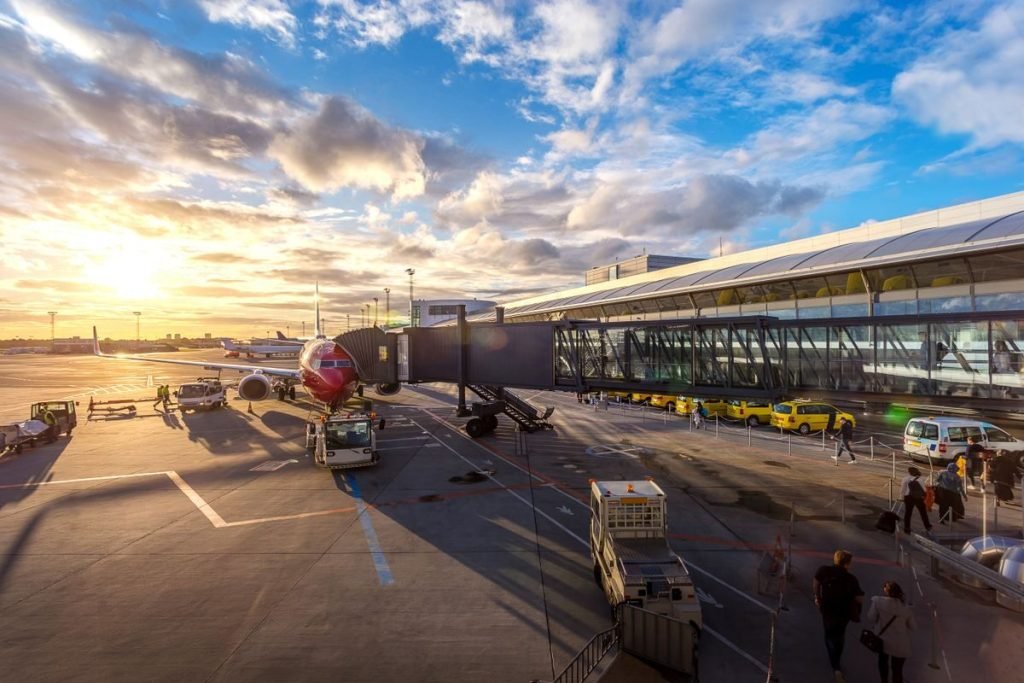
Arrival-end logistics on this corridor are pleasantly boring, and that is the point of planning them before you fly. Bahrain is roughly fifty kilometres end to end; once a consignment clears Khalifa Bin Salman, the drive to any address on the island is under an hour, so delivery scheduling is about your readiness, not distance. If the tenancy is signed, we book the slot, deliver, unpack, reassemble furniture and remove the packing debris in a single visit for most households. If the flat hunt is still running — common, since the shipment often outpaces the house search here — the consignment waits in clean storage on the Bahrain side and delivery follows the lease by a few days, not the reverse order with boxes stacked in a hotel corridor.
Two small local realities help to know in advance. Residential buildings in Juffair and Seef commonly require move-in bookings through building management, sometimes with a refundable deposit against lift and lobby damage, and Friday move-ins are widely restricted. Neither is an obstacle; both are simply booked ahead by whoever manages your delivery — on our moves, that is your coordinator, not you.
Questions Indian families ask about this corridor
How far ahead should the survey happen?
Six to eight weeks before your intended departure is comfortable; four is workable. The survey itself takes about an hour, and everything after it — quote, booking, packing dates — moves quickly on this corridor because the sea leg is short. Later than three weeks and your options on sailing dates and crew availability start to shrink, particularly between October and April.
Will we know where the shipment is during transit?
Yes. Your coordinator confirms loading, the sailing, arrival at Khalifa Bin Salman and clearance, and agrees the delivery slot with you before the truck is dispatched. On a transit this short there are fewer milestones than on a six-week corridor, but each one is reported as it happens rather than when you chase it.
Should we ship everything, or buy some of it in Bahrain?
Ship what you use and love; be ruthless about the rest. Bahrain’s retail market is well stocked and Indian groceries, utensils and furnishings are widely available in Manama, so replaceable bulk — old mattresses, worn white goods rated for Indian voltage but near end of life — often is not worth its share of the container. Books, kitchen steel, furniture you would rebuy anyway and anything with sentimental weight almost always justify the space.
We are not in a metro. Can the move still start at our door?
Yes. Our crews operate from Cochin and Mumbai and work across India — a move that begins in Thrissur, Nashik or Madurai is packed at your address and trunked to the right gateway as part of the job, not left to you to arrange. After 20+ years on Gulf routes, origin geography is a solved problem.
Your move to Bahrain, your way
Every move is different. Pick the guide that matches your situation for advice and pricing built around it.
Commercial Cargo & Freight to Bahrain
Commercial cargo and freight from India to Bahrain — sea from Nhava Sheva, Mundra or Cochin into Khalifa Bin Salman…
Read the guideCorporate & Office Relocation to Bahrain
Relocating a business or office from India to Bahrain — Indian export compliance, sea or air freight, and Bahrain import…
Read the guideEmployee Relocation to Bahrain
Employee relocation from India to Bahrain for HR and mobility teams — India-origin logistics, GCC customs and policy-aligned moves at…
Read the guideHousehold & Personal Moves to Bahrain
Moving your home from India to Bahrain by sea or air — packed at origin, export-cleared in India, and delivered…
Read the guidePets & Vehicle Relocation to Bahrain
Relocating pets and vehicles from India to Bahrain — Indian export requirements, Bahrain entry rules and sea or air freight…
Read the guide