
Storage in India: when warehouses make sense between two homes
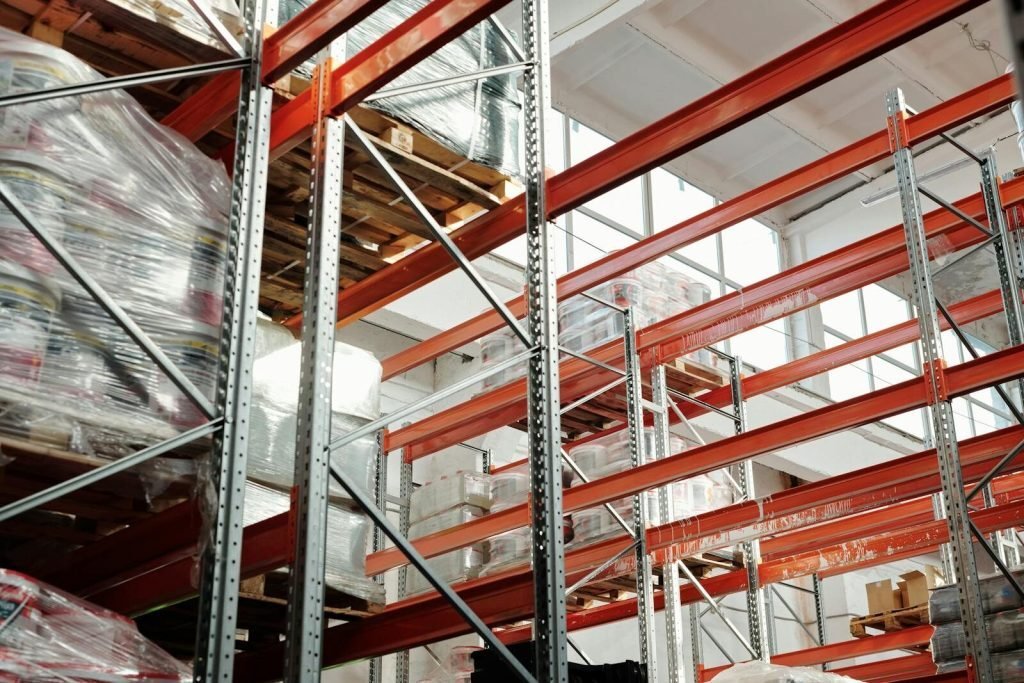
Not every Indian household move ends with the entire consignment travelling to a new country. A meaningful proportion of our families leave a portion of their belongings in domestic storage in India — sometimes for a defined assignment period, sometimes pending a decision about whether the move abroad will become permanent, sometimes because the destination home is simply too small for the full Indian household. Seemleius International operates and partners with warehouse storage across Mumbai, Bengaluru, Chennai, Delhi-NCR and Cochin, and there is a clear set of situations where warehouse storage is the right answer and others where it is not.
When warehouse storage genuinely makes sense
Defined-period overseas assignment
The cleanest case is a senior professional moving abroad on a known assignment — typically three to five years — with a clear intention to return to India afterwards. Shipping the entire household twice, with all the customs friction, packing damage and freight cost involved, rarely makes economic sense. A right-sized warehouse storage of the items the family does not want to dispose of, with only the working consignment travelling abroad, is the more sensible plan.
This is the typical pattern for: pharmaceutical R&D scientists going to Basel on a three-year secondment, IT leaders going to the US on an L-1 assignment, oil-and-gas professionals taking a posting in Doha or Riyadh, and academics taking a defined visiting position at a European or Australian university.
NRI returning to India with a long-built home overseas
The mirror case is the NRI family returning to India under the Transfer of Residence concession, where the household built up over fifteen or twenty years in the Gulf or North America is larger than the Indian home being returned to. We sometimes warehouse a portion in Mumbai or Bengaluru while the family decides what to keep, what to sell and what to integrate into the Indian home over the first six months.
Renovation or property transition
Families moving from one Indian city to another with a renovation in progress at the destination, or families selling a property and waiting on a purchase elsewhere, are the third common storage case. The storage window is shorter here — typically three to nine months — and the volume is usually the full Indian household.
Children’s belongings during an overseas student move
The increasingly common case is a child going to university abroad and the family wanting to retain the child’s room contents intact, but needing to redecorate or repurpose the room in India. A small dedicated storage unit holding the child’s belongings until graduation works well for this.
When warehouse storage is not the right answer
There are several scenarios where families ask about storage and we usually advise against it after a longer conversation.
- Open-ended timelines. Storage charges accumulate. A vague “we might come back to India” framework, with no anchor date, tends to result in three to five years of storage fees that exceed the replacement value of the goods stored. We will say this plainly.
- Items in poor condition. The temptation to store furniture that is already on its last legs, “in case we need it later”, almost always ends badly. The piece deteriorates further in storage and is not usable on return.
- Climate-sensitive items in non-climate-controlled storage. Mumbai humidity is unkind to leather goods, wooden furniture, paper records and electronics. We will be clear about which storage tier is appropriate.
- Items that the family genuinely does not love. The hardest conversation in a move is when a beautiful dining table that no one has loved for five years is being put into storage out of obligation rather than affection. Storage is not a substitute for the disposal decision; it postpones it.
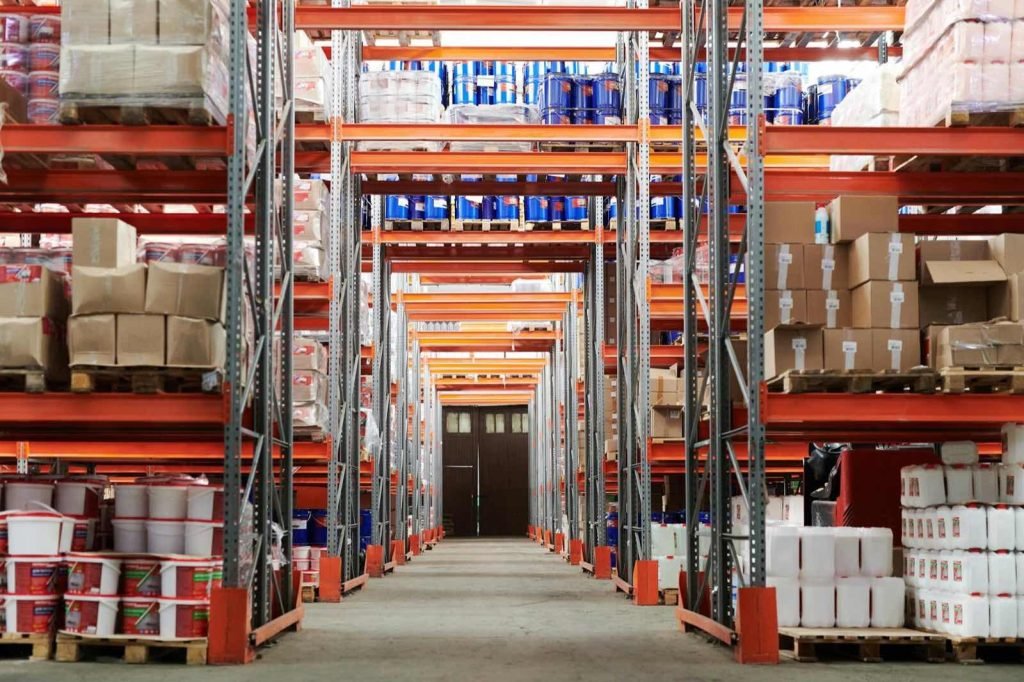
Storage tiers we typically work with
Open warehouse storage
Standard pallet-based or cage-based storage in a clean, dry warehouse environment, suitable for items that are not climate-sensitive — metal furniture, robust modular furniture, kitchen equipment in sealed boxes, books in moisture-proof packing, sports equipment. Cost is the lowest of the three tiers and most short-to-medium storage cases fit here.
Climate-controlled storage
Temperature and humidity managed storage, essential in Mumbai, Chennai and Cochin for any meaningful storage period of solid-wood furniture, leather goods, fine textiles, art on canvas, vinyl record collections, musical instruments and high-end electronics. The cost premium over open warehouse is typically 25 to 50 per cent and is genuinely justified for the right items.
Container-based long-term storage
A dedicated 20-foot or 40-foot container at our partner facility, sealed and not opened for the duration of the storage term, is the right answer for defined-period overseas assignments. The advantage is that the items are packed once, sealed once and not handled again until the family is ready to return. The cost is competitive with longer-term open warehouse, and the integrity of the goods is meaningfully better.
Insurance, inventory and the things to get right
Whichever tier the family chooses, we maintain three things rigorously. First, a detailed inventory of what entered storage, with photographs and condition notes for higher-value items. Second, an annual all-risk insurance policy covering the contents at agreed value, with the family as named insured. Third, an annual physical check that we offer to coordinate, particularly for climate-controlled and container-based storage, where humidity creep or pest activity should be caught early.
We also encourage families to maintain communication during the storage period. The single most common reason for a difficult return-from-storage moment is the family discovering, after three years, that the warehouse address moved and they did not update their contact details with our office. We send an annual storage statement to every storage client; please open the email.
The economic question, asked honestly
For each set of items the family is considering storing, we ask a simple question with the family: if these items were lost tomorrow, what would the replacement cost be, and what is the storage cost over the planned period? The answer is sometimes “store them”, sometimes “ship them along to the destination after all”, and sometimes “donate or sell them now”. The conversation is more useful than the default.
If you are planning a move from India this year and want a corridor-honest view on the storage versus ship versus dispose trade-off for your specific household, our coordinators in Mumbai, Bengaluru, Chennai, Delhi and Cochin can walk through it with you. There is no obligation; the clarity itself is the value.