
- 20+ years moving households & cargo
- 184 countries destination corridors covered
- In-house customs clearance filed by our own team
- One coordinator from quote to delivery
Botswana is one of southern Africa’s most stable and prosperous countries, built on diamonds, sound governance and a steadily diversifying economy. For Indian movers it is a well-established destination: a sizeable Indian-origin community has lived and traded in Botswana for generations, and the corridor today carries professionals in mining, healthcare and education, business owners, and families joining relatives already settled in Gaborone and Francistown.
Botswana is landlocked, so the India–Botswana move always involves a seaport in a neighbouring country followed by an inland leg — and the move is still decided at the India end. Export customs clearance through ICEGATE, the shipping bill filed under the Customs Act, AD code registration with the originating port, and packing built for a long ocean transit plus an overland leg all set the tone. Seemleius coordinates the India side, the transit-country leg and the Botswana side as one job.
The India–Botswana corridor
Household and commercial sea freight ships as containerised cargo from Nhava Sheva (JNPT), Mundra, Chennai or Cochin to a South African port — most commonly Durban, the principal gateway for Botswana-bound cargo, with Walvis Bay in Namibia as an alternative routing — followed by customs-bonded onward road movement into Botswana. Realistic door-to-destination transit runs in the region of six to nine weeks once the inland leg and border formalities are included. We confirm the actual gateway and routing for your shipment.
Air freight from Mumbai (BOM), Delhi (DEL), Bengaluru (BLR) or Chennai (MAA) routes via Johannesburg or a Gulf hub into Sir Seretse Khama International Airport (GBE) at Gaborone, used for urgent moves. On arrival, clearance is handled by the Botswana Unified Revenue Service (BURS); used personal and household effects accompanying a genuine change of residence may be imported under rebate provisions for returning residents and people taking up residence, and we prepare the documentation and supporting evidence in advance.
Indian export clearance
Shipping bill filed on ICEGATE, AD code registration and Indian customs clearance managed at Nhava Sheva, Mundra, Chennai or Cochin — the shipment leaves India correctly documented.
Botswana customs regime
Clearance through the Botswana Unified Revenue Service, with customs-bonded transit from Durban and rebate relief on used household goods for new and returning residents confirmed in advance.
Sea and air options
Containerised sea freight via Durban or Walvis Bay with inland road movement, or air freight into Sir Seretse Khama (GBE) when the timeline cannot wait.
One coordinator, both ends
One coordinator owns your India survey, ICEGATE documentation, dispatch, the inland African leg and Botswana delivery — no gaps across borders.
Who moves on this corridor
The India–Botswana route serves several mover types on one page. Households are professionals, healthcare workers, teachers and families relocating furniture and personal effects, often joining established relatives. Business and office moves cover companies in mining services, retail and trade shipping office equipment, IT and records. Commercial freight covers Indian suppliers sending machinery, equipment and stock. We apply the same coordinated method to each.
Where we deliver in Botswana
We deliver across the country: Gaborone, the capital and commercial centre; Francistown, the second city in the north-east; Molepolole, Maun — the gateway to the Okavango Delta; Serowe, Selebi-Phikwe, Kanye and Lobatse. The country’s long road distances shape onward delivery scheduling, and we plan routes accordingly.
How your move works
- India-side survey. We assess volume and contents at your home or office in India — in person in major cities or by video — and return a clear quote with sea and air options and a realistic Botswana arrival window.
- Export documentation. Indian export paperwork is prepared: shipping bill filed through ICEGATE, AD code confirmed, packing list and invoice, plus the transit and rebate documents BURS will expect.
- Pack and dispatch. Our crew packs to export standard from your India origin, and the shipment is booked via the confirmed South African gateway or flown via hub to GBE.
- Clear and deliver in Botswana. We manage BURS clearance, apply rebate relief where you qualify, and coordinate onward road delivery to your address.
If you are planning a move from India to Botswana, request a quote and your coordinator will walk you through the routing, transit leg, timeline and documentation.
Durban or Walvis Bay
Two ports serve Botswana, and they are very different animals. Durban is the busiest container port in sub-Saharan Africa and the default for anything Gaborone-bound: the road north runs through Pietermaritzburg and Johannesburg to the border at Tlokweng, roughly a thousand kilometres that a bonded truck covers in a couple of days. The port has had well-publicised congestion in recent years, and we build dwell time into the estimate rather than pretend it away. Walvis Bay, in Namibia, is the alternative: a smaller, well-run port at the head of the Trans-Kalahari Corridor, which crosses into Botswana at Mamuno and reaches Gaborone through Ghanzi. The overland leg is considerably longer, but the port itself is quicker and, for cargo bound for the west of the country, the geography can favour it.
From India, Durban is also the better-connected of the two—there are more sailings from Nhava Sheva and Mundra to the South African east coast than to Namibia—which is why it wins most of the time. The routing is confirmed per shipment, and it is written on the quote.
From the quay to the Tlokweng gate
Botswana and South Africa share a customs union, but a household consignment does not simply drive through. At Durban the container is discharged and moved under a removal in bond to the Botswana border, which means South African customs treats it as goods passing through rather than goods entering. At Tlokweng—or Ramatlabama on the Mafikeng–Lobatse road, or Martin’s Drift for Palapye and Francistown—the truck presents to the Botswana Unified Revenue Service and the import declaration is made. The container is then delivered as a single leg into Gaborone, which is a short drive from Tlokweng, or continues north.
The step that trips people up is the timing of the bond. If the transit paperwork is not lodged before the vessel berths, the box waits at Durban, and Durban is an expensive place to wait. Your coordinator raises it while the ship is still at sea.
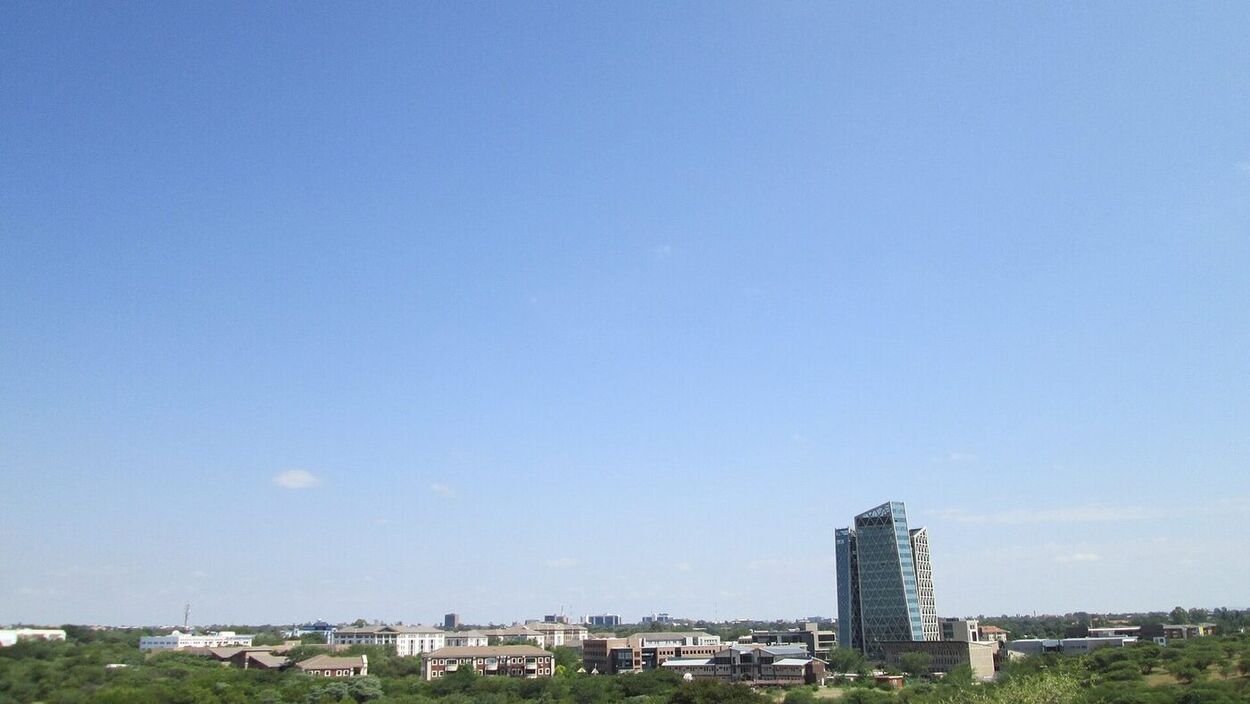
What BURS looks at
The Botswana Unified Revenue Service administers customs at the border and inland. For a person taking up residence in Botswana, used household effects can be admitted under rebate provisions, provided the goods are for personal use, have been owned and used before the move, and are not for resale. The file that supports that claim is prepared at the survey, not at the border, and it usually includes:
- an itemised, valued packing list, with serial numbers for electronics;
- the bill of lading in the owner’s name;
- passport copies and the residence documentation the owner holds from the Botswana authorities;
- a declaration that the goods are used and for personal use;
- evidence of the period lived abroad, where it is asked for.
Where the rebate does not apply—new goods, a second set of appliances bought for the move, commercial stock—duty and VAT are assessed normally. Vehicles are a separate matter with their own rules and are worth a conversation before you decide to ship one. The residence side of your move sits with you and the Botswana authorities; our part is the goods and the customs file that goes with them.
Dry heat and long roads
Botswana is mostly Kalahari. Gaborone summers are hot and dry, winters are cool and drier still, and a container that has crossed the Indian Ocean in the humid season and then stood in the sun at a border post has been through two climates. Solid wood furniture is the item that notices: it can shrink and crack when it goes from Kerala humidity to Gaborone dryness in a matter of weeks. We wrap it in breathable material rather than plastic, and we tell you honestly that some old pieces will move a little regardless. Leather, musical instruments and anything with a veneer get the same treatment. Electronics are unbothered by the dry; the mains supply is 230 volts, and Botswana’s larger sockets take the same round three-pin plug as India’s, which is a pleasant surprise for most families.
The roads are the other factor. Botswana is a big country with a small population, and deliveries to Maun or Francistown from the Gaborone side are long single-day drives on good tar. Nothing exotic is required, but a quote to Maun is not a quote to Gaborone with a few rupees added, and we price the actual road.
How the quote is built, and when to book
Three things drive the cost of an India–Botswana move, and they are not equal. The first is volume, which decides whether you share a container or fill one, and whether a twenty-foot box will do or a forty-foot one is needed. The second is the routing—Durban or Walvis Bay, and how far past the border the delivery goes. The third is timing, because port congestion, the December shutdown across southern Africa and the state of the sailing schedules all move the number. The survey settles the first, the coordinator recommends the second, and the third is a conversation about how much slack you want to buy. The quote comes back with the sea leg, the bonded road leg and the Botswana-side delivery shown separately, so you can see what each is costing you.
On timing: southern Africa slows down between mid-December and mid-January. Ports run, but trucking, brokers and receiving addresses do not, and a shipment landing at Durban in the third week of December will not be at your door in Gaborone before the new year. The summer rains, from November to March, are heavier in the north and east and rarely trouble the Gaborone corridor. Winter, from June to August, is dry and cool and the easiest time to move. On the India side, the south-west monsoon from June to September makes packing days wetter in Mumbai and Cochin, and the crew plans around it.
For a fixed start date in Gaborone, the survey conversation should begin ten to twelve weeks ahead. The sea leg to Durban is not the constraint; the port and the bond are.
Arriving in Gaborone
Once BURS has released the container at Tlokweng, the rest is a short road. Gaborone’s suburbs—Phakalane to the north, the Block and Extension areas across the city, the newer estates out towards Tlokweng itself—are laid out for cars, with gated plots and driveways, and a container truck can usually get close to the house. Where it cannot, the load moves to a smaller vehicle for the final stretch and the crew carries the rest. Delivery is to the room, not the gate; cartons are placed where the packing list says they belong, furniture is reassembled, and the packing debris leaves with the crew rather than sitting in your garage for a month.
Timing at this end is the part families most often underestimate. Housing in Gaborone is frequently arranged after arrival rather than before, and it is common for the container to be ready before the house is. Storage is available at both ends for exactly this reason—in India before departure if you are leaving before you want the goods to move, or in Gaborone through a local partner if the keys are late—and it is cheaper to plan for than to discover. Francistown deliveries follow the same pattern with a longer drive; Maun and the north-west are scheduled as a dedicated run.
What arrives is checked against the list that left India, carton by carton, and any damage is noted on the spot while the crew is still there. That last step sounds obvious and is the one most easily skipped on a hot afternoon when everyone wants the truck gone. It is not skipped.
Questions about moving to Botswana
Why not ship to Gaborone directly?
There is no port to ship to. Botswana is landlocked, and every container arrives through South Africa or Namibia and completes the journey by road under bond. Durban is the usual answer; Walvis Bay is the alternative.
Will my goods be opened at the border?
They may be. Physical inspection at Tlokweng or Ramatlabama is at the officers’ discretion, and a complete, itemised packing list is the best way to keep an inspection short. We pack so that a carton can be opened and resealed without harm.
Can you deliver to Francistown or Maun?
Yes. Francistown is reached either from Gaborone or directly across the Martin’s Drift crossing from South Africa, which can be quicker for cargo bound only for the north-east. Maun is a long drive from either, priced as such, and delivered on a planned day rather than a rough week.
What about my car?
Botswana drives on the left, like India, which makes the idea tempting. The duty and registration rules on imported vehicles are Botswana’s to set and they change; talk to your coordinator before you assume it is worth shipping.