
India to Europe: ocean and air options compared
Europe is a major market for Indian exporters and a long lane compared with the Gulf. That distance is what makes the mode decision matter: the gap between air and ocean is measured in weeks, and the right choice depends less on the freight rate than on what a week of transit is worth to your business.
Ocean: the default for volume
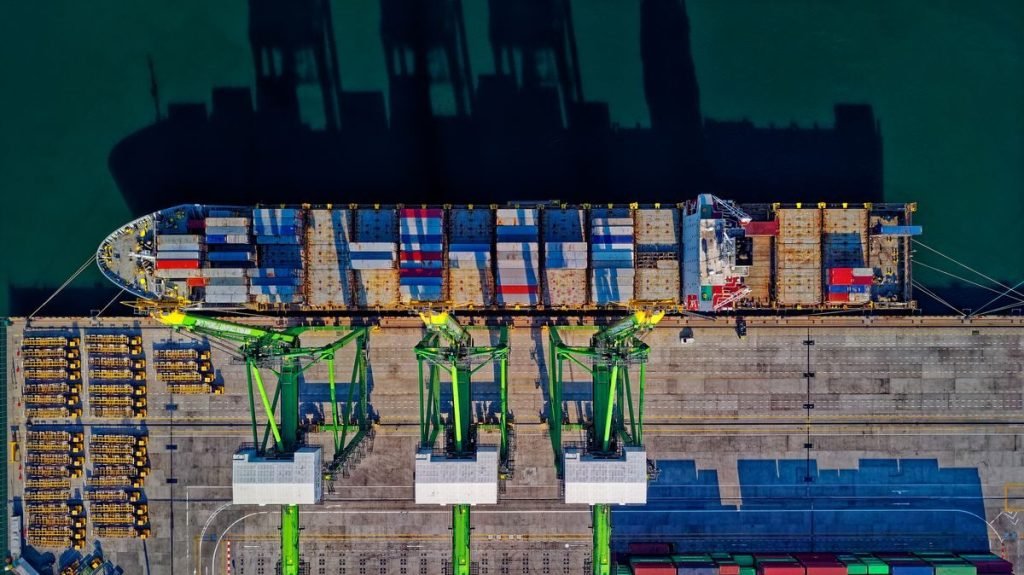
Most cargo to Europe goes by sea, into the major North European gateways — Rotterdam, Antwerp, Hamburg — or the Mediterranean ports for southern Europe. Transit runs to several weeks depending on the routing and whether the service is direct or transhipped, so the planning question is not just the sailing time but the reliability of the schedule. On a long lane, a rolled sailing or a missed connection costs more than it would on a short one.
For regular volume, full-container ocean freight to Europe is the economical backbone. LCL works for smaller consignments, though the longer the lane, the more the extra handling of consolidation and deconsolidation is felt.
Air: when the deadline decides
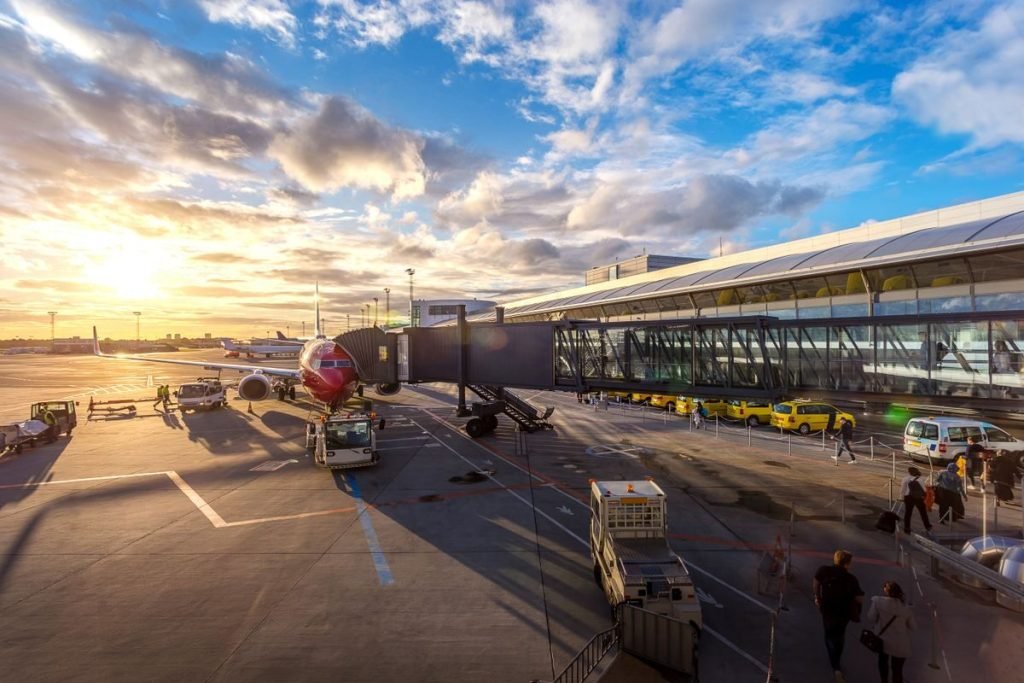
Air freight to Europe turns weeks into days, and on a lane this long that difference is often decisive — for a fashion season, a product launch, a machine part holding up a line. The premium is real, but so is the value of certainty. For high-value, low-weight cargo the air rate can be a smaller share of the landed cost than it first appears.
Suez, the Cape and the option in between
Europe-bound services from India have traditionally run through the Suez Canal. When the southern Red Sea became unsafe for merchant shipping, most carriers diverted round the Cape of Good Hope instead, adding a week or more to the voyage and pulling vessels out of their usual rotations. Routings can change again with little notice, so the transit time printed in a schedule is worth checking against the route the carrier is actually sailing that month.
Between full air and full ocean sits sea-air. The cargo travels by ship to a hub such as Dubai and flies on to Europe from there, arriving far sooner than a container would and at a lower cost than flying the whole way. It suits consignments that have missed the ocean window but do not justify the full air rate — a common position for garments and consumer goods chasing a retail date.
What Europe checks before the cargo arrives
The European Union now asks for cargo data in advance. Under its ICS2 system, an entry summary declaration has to be lodged before a container is loaded at the origin port, and vague descriptions such as “general cargo” or “spare parts” are not accepted. A description that names the product, with its HS code, avoids a hold before the ship has even sailed. Because the filing is built from the shipper’s own data, the description, the code and the buyer’s full details need to be settled when the booking is made, not when the container is already at the terminal gate.
The rest is familiar paperwork, done carefully:
- The importer needs an EORI number to clear goods into the EU.
- Wooden pallets and crates must be heat-treated and stamped to ISPM 15, or they can be refused at the border.
- Where a product still qualifies for the EU’s GSP preference, the origin statement comes from an exporter registered in the REX system.
- For steel, aluminium and a few other products, EU importers bringing in more than 50 tonnes a year must, since 1 January 2026, declare the emissions embedded in what they buy and pay for them through CBAM certificates, so expect your buyer to ask for production data as well as a price.
The seasonal rhythm of the lane
Space on Europe-bound services tightens from late summer, when importers ship for the Christmas season, and eases after the new year. Carriers also withdraw sailings in quieter weeks — blank sailings — which can push a booking to the following vessel with little warning. Shippers with a fixed launch or season date protect themselves by booking earlier than feels necessary and by agreeing a fallback with the buyer in advance: which consignments can slip a week, and which must fly if a sailing is lost.
The European ports bring pressures of their own. Rotterdam, Antwerp and Hamburg are efficient but heavily used, and a strike, a weather closure or congestion at one terminal can hold containers for days. Build a margin between the vessel’s arrival and the date the goods are actually needed, and make sure the delivery address can receive a container at short notice when it is finally released.
The honest answer for most European shippers is a mix: ocean for the planned volume, air held in reserve for the shipments where the date cannot move. We help you set that split deliberately rather than defaulting to one mode — tell us your European lanes and we will map the options against your calendar.