
India to East Africa: Mombasa, Dar es Salaam and the inland leg
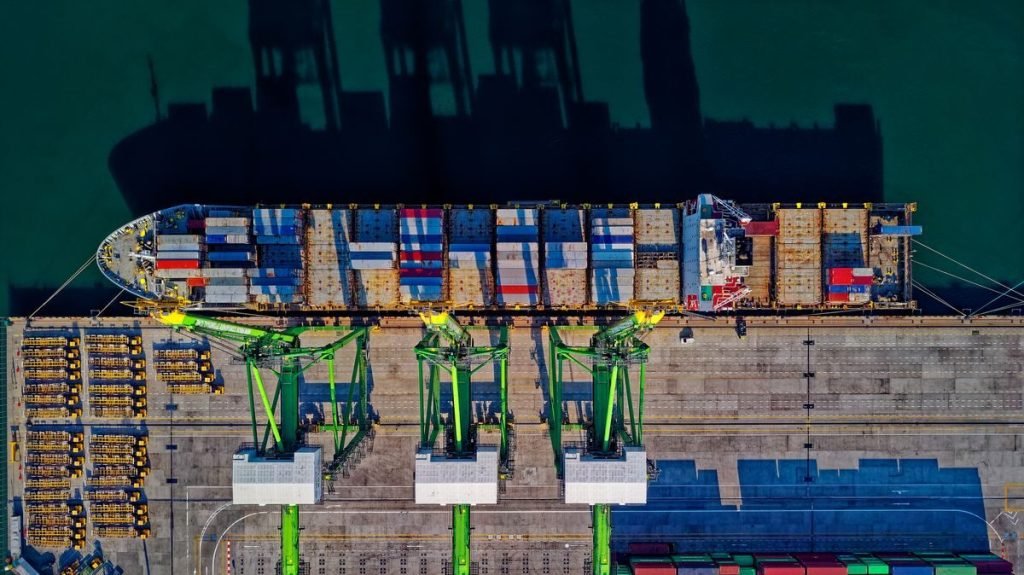
East Africa is one of India’s most natural export markets — geographically close across the Indian Ocean, with deep commercial ties and strong demand for Indian goods. The ocean leg to Mombasa in Kenya or Dar es Salaam in Tanzania is well served and relatively short. The complication, and the opportunity, is what happens after the port.
The port is not the destination
A great deal of cargo landing at Mombasa and Dar es Salaam is not staying there. It is moving inland — to Nairobi, Kampala, Kigali, and landlocked countries beyond. That inland leg, across borders and along corridors of variable quality, is where transit time and cost are really decided, and where a shipment can sit if the onward transport and the transit documentation are not arranged in advance.

Planning the whole journey, not just the sailing, is the difference between a shipment that reaches the buyer and one that clears the port and then stalls. This is where end-to-end management to the final destination earns its place, because someone has to own the inland leg and the border crossings.
Documentation and agents
East African clearance rewards local knowledge. Requirements vary by country, pre-shipment inspection or conformity assessment applies to many goods, and the far-end agent’s competence largely determines how smoothly cargo clears. Our partner network across Africa is what makes this lane work — reliable people at the destination who clear, handle and forward cargo to the same standard we hold at this end.
Two corridors, many destinations
Two trade corridors carry most of the region’s imports. The Northern Corridor starts at Mombasa and runs through Kenya to Uganda, Rwanda, Burundi, South Sudan and the eastern Democratic Republic of Congo. The Central Corridor starts at Dar es Salaam and serves Tanzania itself, Rwanda, Burundi and the eastern DRC, with road links south towards Zambia and Malawi. Which one suits a shipment depends on the final address, current congestion at each port and the state of the roads that season.
On the Kenyan side, the standard gauge railway moves containers from Mombasa to inland depots at Nairobi and Naivasha, where they can be cleared and handed to road transport for the last part of the journey. Under the East African Community’s single customs territory arrangements, goods bound for Uganda or Rwanda can be declared to the destination country’s customs at the point of entry, which shortens the border formalities — but only when the paperwork has been prepared that way from the start.
Some carriers will quote through to Kampala or Kigali on their own bill of lading and take responsibility for the inland haul; others stop at the port and leave the rest to the consignee’s agent. Knowing which of the two you have been quoted matters more than the headline rate. If the carrier’s container travels inland, it also has to come back empty to the carrier’s depot, and detention accrues until it does.
Transit is a customs process of its own
Cargo crossing Kenya or Tanzania on its way to a landlocked country moves under a transit declaration, secured by a bond and usually tracked with an electronic seal until it leaves the transit country. The bill of lading and the invoice need to show the real final consignee and destination. A shipment documented as if it were for Mombasa and then sent onward creates a clearance that has to be unpicked and redone.
The rainy seasons matter here too. The long rains, roughly March to May, and the shorter rains towards the end of the year slow the roads on parts of both corridors, and a truck that is a day late at a border crossing can miss its slot. Build the inland leg into the delivery promise, not only the sea voyage.
Conformity before the goods leave India
Kenya, Tanzania and Uganda each run a pre-export verification of conformity programme for regulated products, administered by their national standards bodies. The certificate is issued before shipment, following an inspection or a review of test reports, and goods that arrive without one face penalties or re-inspection at the port. Some destinations further inland, including the DRC and Burundi, also require an electronic cargo tracking note for sea freight, obtained before the vessel sails.
Keep copies of the test reports and the certificate numbers with the shipping file, because the far-end agent will ask for them if the container is examined. None of these documents can be produced once the ship has left, which is why the checklist for an East African order should be drawn up at the same time as the pro forma invoice.
If you are selling into East Africa, treat the inland leg as part of the shipment from the start. Tell us where the goods actually need to arrive, not just which port, and we will plan the whole corridor.