
India to Australia: transit, biosecurity and timing
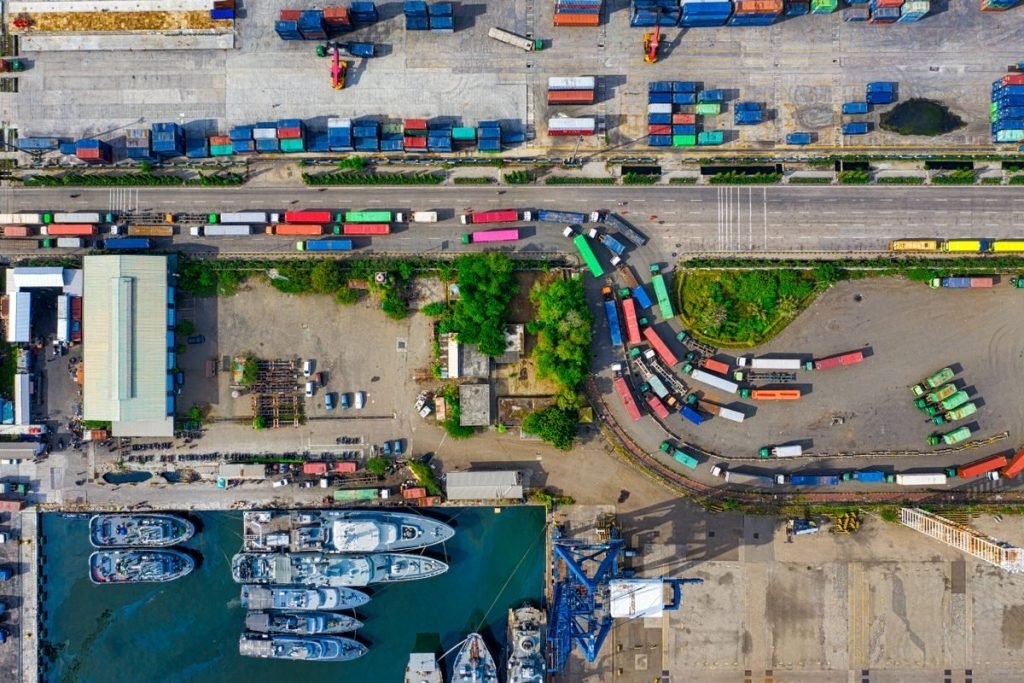
Australia is a valuable and growing market for Indian exporters, and it comes with the strictest biosecurity regime most shippers will ever encounter. The freight is straightforward — regular ocean services to Melbourne, Sydney, Brisbane and Fremantle, with air for urgent cargo — but Australia’s quarantine rules shape how cargo must be packed, treated and declared long before it sails.
Biosecurity is not a formality
Australia’s Department of Agriculture enforces biosecurity rigorously. Timber packaging must meet ISPM-15 treatment standards, many goods are inspected on arrival, and containers can be held, treated or even re-exported at the shipper’s cost if contamination is found. A container that arrives with soil, seeds, pests or untreated wood packing is a problem that lands on the exporter. This is the defining feature of the lane.

The way to ship Australia well is to treat biosecurity as a design constraint from the start — compliant packaging, clean containers, honest declarations. Export packing that meets destination standards is part of getting this right, not an afterthought once the cargo is booked.
Transit and mode
Ocean transit to Australia is long — comparable to the longer European routings — so schedule reliability matters, and perishables need careful mode and temperature planning. Air is well used for high-value and time-critical cargo given the distance. Container shipping to Australian ports handles the volume; the biosecurity planning is what we add around it.
The declarations the importer will ask for
Every sea container bound for Australia travels with a packing declaration that states what the packaging is made of and confirms the container is clean. Where solid timber is used — pallets, crates, dunnage, bracing — it must be treated and marked to ISPM 15, and the importer will want the evidence on file. Bamboo, straw and similar plant-based packing carry conditions of their own, and are simpler to avoid than to certify.
The goods themselves may have conditions too. Australia publishes its import conditions by commodity in a searchable database called BICON, and some products need prior approval from the department before they arrive. Checking BICON for your product before quoting tells you whether the shipment is routine or whether the buyer needs to do something first. Plant-based products, food, animal-derived goods and anything made of untreated natural material are the categories to look at twice.
A typical Australian consignment therefore travels with more than an invoice and a packing list:
- a commercial invoice that describes the goods precisely enough for the biosecurity assessment, not only for duty;
- the packing declaration, signed by the exporter or packer;
- the ISPM 15 evidence for any solid timber in the packing;
- a phytosanitary certificate from India’s plant quarantine authority where the goods are of plant origin;
- any treatment certificate the import conditions call for, from a provider the department recognises.
Clean containers, clean cargo
Biosecurity problems usually begin with dirt rather than paperwork. Soil on the wheels and tracks of machinery, seeds caught in bags or folds of fabric, insects sheltering in a pallet — each can turn a routine arrival into an inspection, a treatment and a bill. Used machinery and vehicles need cleaning to a standard well above what is normal for domestic use, and are among the goods most often inspected.
The container matters as much as its contents. Before stuffing, the empty box should be checked inside and out for soil, plant material and debris, and swept or rejected if it is not clean. It is far cheaper to refuse a dirty container at the depot in India than to pay for cleaning and fumigation at Melbourne or Brisbane. Record the inspection with photographs, which also help if a problem is found later.
How the lane actually runs
Most container services from India to Australia tranship in Singapore, Port Klang or Colombo, so the quoted transit depends on the connection as much as on the ocean distance. Fremantle serves Western Australia, while Melbourne, Sydney and Brisbane take most of the east-coast volume; a buyer in Adelaide or a regional city will usually receive by road or rail from one of these.
Remember that the seasons are reversed. The Australian retail peak before Christmas falls in their summer, when perishables and heat-sensitive goods need more care, and Indian festival-season production competes for the same export space. Where inspection is likely, ask whether the importer uses an approved arrangement site, where biosecurity checks can be carried out at their premises rather than at the port. It can shorten the wait considerably, and it keeps the goods out of a port depot where storage charges mount by the day. Ask early, because the arrangement belongs to the importer and cannot be set up once the vessel has arrived.
If Australia is on your map, talk to us before you pack, not after. The packing decisions made in India determine how smoothly the cargo clears in Australia.