
LCL consolidation explained for small Indian shippers
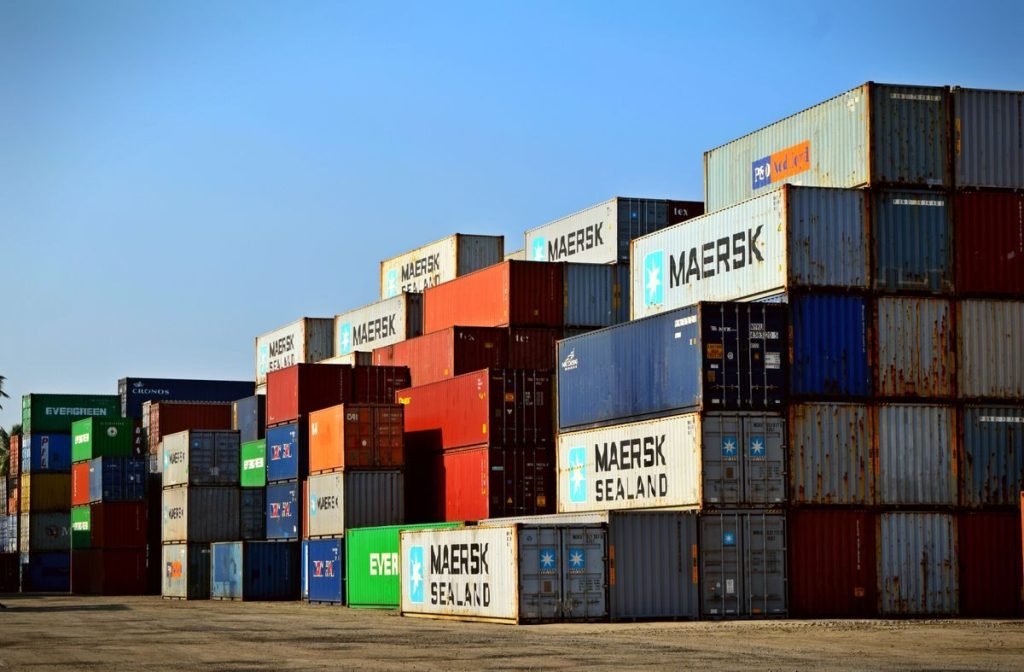
A common misconception among smaller Indian exporters is that ocean freight is only for those shipping full containers. It is not. Less-than-container-load shipping — LCL — lets you buy space by the cubic metre in a container shared with other shippers, which means a business moving a few pallets can use the sea just as a business moving forty can. For a small exporter finding its feet internationally, LCL is often the way in.
How consolidation works
A consolidator gathers cargo from several shippers, stuffs it into one container, and ships it as a unit; at the destination the container is deconsolidated and each shipper’s cargo is separated and released. You pay for the volume your cargo occupies, so a small shipment costs a small amount, rather than paying for a whole container that would sail mostly empty. It is the sensible, economical choice when your volume does not justify a full container of your own.
The trade-offs to know
LCL is not free of compromises. Your cargo is handled more — consolidated at origin, deconsolidated at destination — which adds a little time and a little risk, so packing has to be robust. Transit can be slightly longer than a direct full container, and destination charges apply. None of this is a reason to avoid LCL; it is a reason to pack well and read the full door-to-door cost rather than the headline rate.
From your door to the consolidator
An LCL shipment starts with a delivery to the consolidator’s container freight station by a receiving cut-off, which falls earlier than the cut-off for a full container because the consolidator still has to stuff the box. At the freight station the cargo is received, counted, measured and weighed, and those figures — not the ones on your packing list — are what the freight is charged on. Export customs examination for LCL cargo usually takes place there too. Once customs grants the Let Export Order, your cargo is loaded alongside the other shippers’ goods.
Deliver on time, with every package marked and the paperwork in the driver’s hand. A consolidation box sails with whatever arrived before the cut-off, and a late delivery waits for the next one, which may be a week away.
The house bill of lading
Most LCL cargo travels under a house bill of lading issued by the consolidator, while the consolidator itself holds the master bill of lading from the shipping line for the whole container. At destination, the consolidator’s agent releases each shipper’s cargo against its house bill. That arrangement is routine, but it puts weight on the details: the consignee and notify party on the house bill must be exactly right, because the agent at destination will release the goods only to the party it names.
Direct consoles and hub consoles
Consolidators run their own boxes to the busiest destinations, often weekly, which gives a direct service with a predictable schedule. For smaller destinations, cargo is consolidated to a hub such as Singapore, Dubai or Colombo, unpacked, and re-consolidated with cargo from other origins for the final leg. Hub routings reach far more places, but each unpacking and re-stuffing adds time and another handling. When comparing LCL offers, ask whether the service is direct to the destination or routed through a hub.
Door-to-door timing and charges at the far end
LCL takes longer door to door than a full container on the same lane. The cargo must reach the freight station several days before the vessel sails, and at destination the container is unpacked at the consolidator’s warehouse before any shipper’s goods can be released. Hub consoles add a further unpacking and re-stuffing on the way. Plan the delivery date on that basis rather than on the vessel’s transit alone.
At the far end, the consolidator’s agent charges for unpacking, handling and documentation, and those charges are often billed to the consignee. Whether that is acceptable depends on the Incoterm and on what the buyer expects, so settle it before the first shipment. A buyer surprised by destination charges on a small consignment is a buyer who starts looking for another supplier.
Cargo that LCL does not suit
Some goods sit awkwardly in a shared container. Dangerous goods are accepted by some consolidators only on particular services and with extra documentation. Very heavy single pieces may be refused or surcharged because they complicate the stowage, and oversized pieces may simply not fit through the handling equipment. Goods that could taint or be tainted by other cargo — strong-smelling products, foodstuffs, powders — need to be declared so they are not loaded beside something incompatible.
For a growing exporter, LCL is the bridge between courier parcels and full containers. As your volume grows, the maths eventually tips towards FCL — and we will tell you when it does. Start with a conversation about your volumes and we will find the right fit.