
Choosing an Indian air gateway: Mumbai, Delhi or Bengaluru
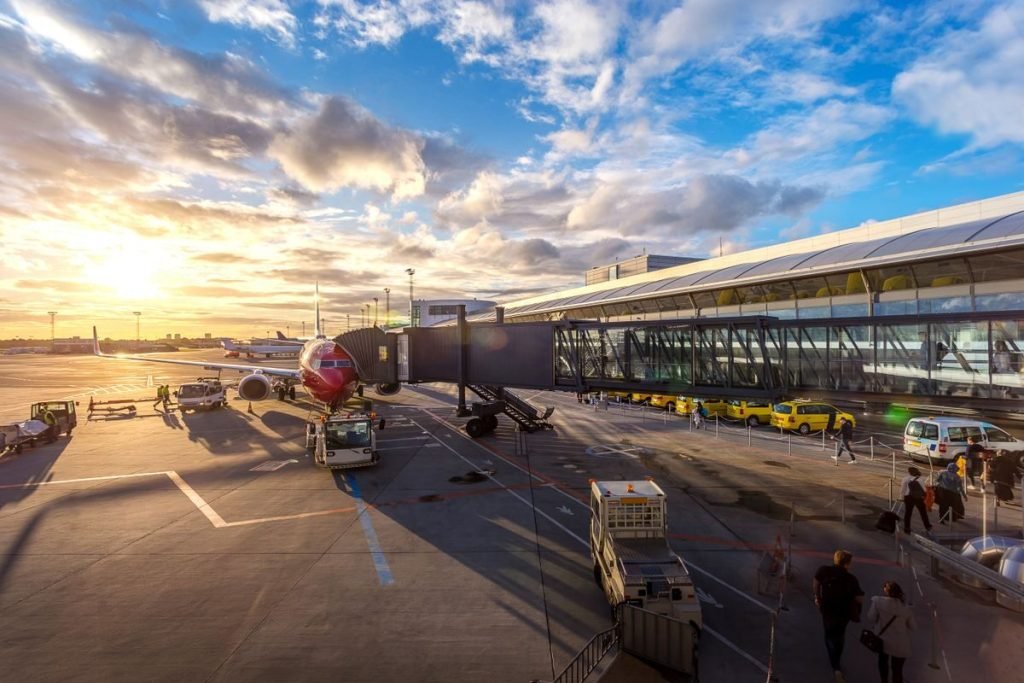
Air freight out of India concentrates through a handful of major gateways — Mumbai, Delhi, Bengaluru, Chennai, Hyderabad and Kochi chief among them — and the one your cargo departs from is not a trivial detail. It affects the rate, the available capacity, the connections onward and how far your goods have to travel by road to get airside in the first place.
What separates the gateways
Mumbai is the country’s busiest air-cargo hub, with the widest choice of carriers and destinations, which usually means capacity and competitive rates. Delhi serves the north and has strong long-haul connectivity. Bengaluru and Hyderabad have grown fast, particularly for high-value and pharmaceutical cargo, with modern handling facilities. The best gateway balances the strength of its connections against the cost and time of getting your cargo there from where it is made.
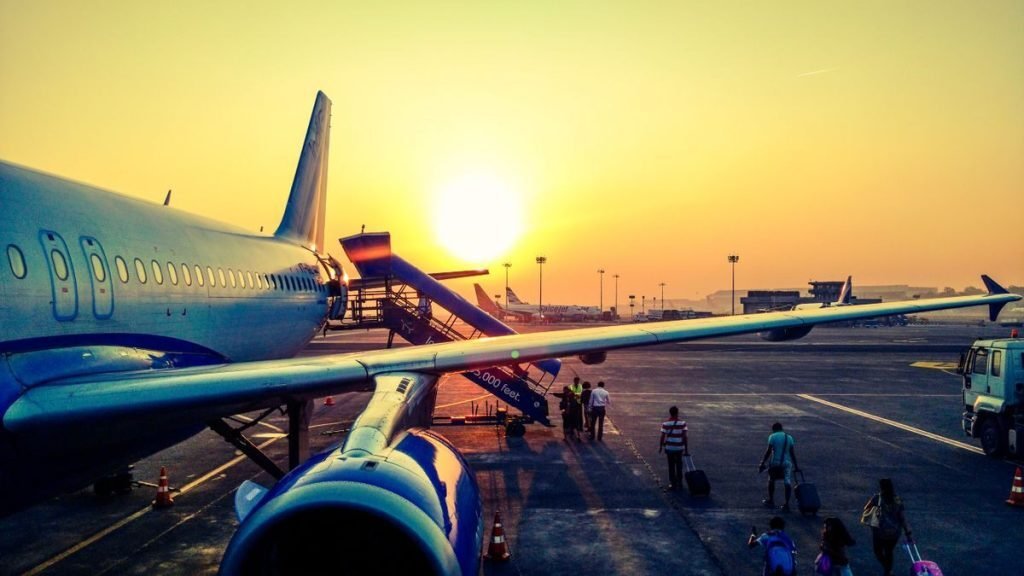
For a shipment, the decision is a trade-off: a slightly longer road leg to a better-connected gateway can beat a nearer airport with thinner service, or the reverse. We book air cargo across all the major Indian gateways, so we can choose on the merits rather than being tied to one.
Special cargo, special gateways
Some cargo effectively chooses its own gateway. Temperature-controlled pharmaceuticals gravitate to airports with proper cold-chain handling; certain dangerous goods are easier through particular hubs. Matching the cargo to a gateway that handles it properly is part of the routing, not an afterthought. This is where knowing your commodity shapes the freight decision.
Chargeable weight, and why density matters at every gateway
Air freight is charged on whichever is greater: the actual weight of the consignment or its volumetric weight. Most airlines work volumetric weight out at 6,000 cubic centimetres to the kilogram, which means a light, bulky shipment — garments on hangers, foam products, empty containers of any kind — pays for the space it takes rather than what it weighs. Dense cargo such as machine parts or metal components pays on its real weight.
Packing is the lever an exporter controls. Cartons sized to the goods, pallets built square and stacked to a sensible height, and no empty space inside the packaging can bring the chargeable weight down noticeably. It is worth asking your forwarder to calculate both weights from the packing list before the cargo is packed, while there is still time to change the carton sizes.
Freighters, belly space and the shape of your cargo
Much of India’s air cargo travels in the lower deck of passenger aircraft, where the hold limits how tall a piece can be. Tall or heavy pieces need a freighter, with its main-deck doors and higher loading positions, and freighter services are concentrated at the larger gateways. A machine that fits easily on a freighter out of Mumbai or Delhi may not fit any aircraft at a smaller airport, whatever the rate.
That makes the dimensions of the largest piece one of the first details to share when asking for an air quote. The length, width, height and weight of each piece decide which aircraft can carry it, and therefore which gateways are realistic at all.
Security screening before uplift
Every consignment has to be screened before it is loaded, under rules set by India’s Bureau of Civil Aviation Security. Cargo from an established shipper moving through a regulated agent can pass through that process smoothly, while cargo from an unknown shipper is screened at the terminal, which takes longer. Pieces too large for the x-ray machines need other methods of screening, and those take longer still.
None of this is optional, and none of it can be skipped for an urgent shipment, so it belongs in the timeline. When a consignment must catch a particular flight, deliver it to the terminal early enough for screening, customs examination and the airline’s acceptance cut-off, rather than working back from the departure time alone.
Customs at the air cargo terminal
Export clearance for air cargo happens at the airport’s cargo terminal: the shipping bill is filed, the goods may be examined, and the Let Export Order is granted before the airline accepts them. The major terminals work around the clock, but examination and document queries still move faster in working hours. A shipping bill that is complete and filed before the cargo reaches the terminal is the surest way to make an evening flight. The weights and piece counts on the invoice, the packing list and the air waybill must also agree, because a difference found at acceptance means re-weighing and fresh documents while the flight closes.
If air is your mode, do not assume the nearest airport is the right one. Tell us the cargo and the destination and we will pick the gateway that serves the shipment best.