
Cochin port and Vallarpadam: the south’s transhipment story
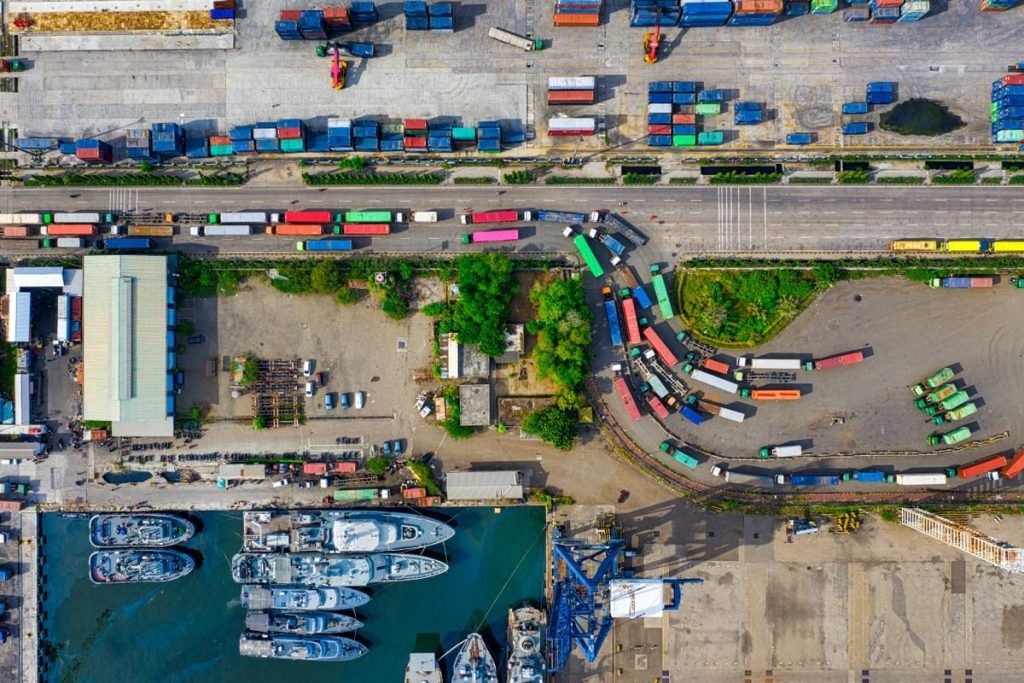
Cochin is our home port, and we have a particular affection for it — but it also has a genuine and growing strategic role in Indian shipping that is worth explaining. The International Container Transhipment Terminal at Vallarpadam has been reshaping how cargo from the south reaches global markets, and for Kerala’s exporters that is good news.
What transhipment capability means locally
For years, a lot of south Indian cargo was feedered to hubs like Colombo or Singapore for transhipment onto mainline vessels, adding a leg and a handover. A strong transhipment terminal at Cochin keeps more of that consolidation on Indian soil, closer to the cargo’s origin, which can shorten the chain and reduce the handovers. For a Kerala exporter, that means the world is a little closer than it used to be.
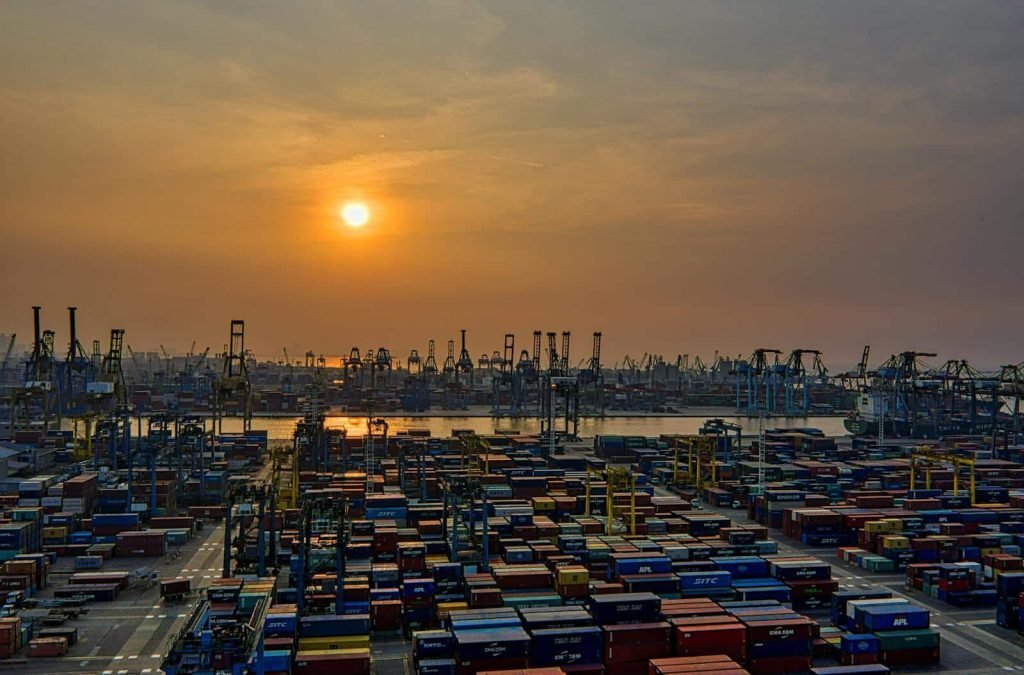
It also means we can offer southern shippers ocean routings that start on their doorstep rather than trucking cargo across the country to a west-coast port. The shorter the inland leg, the lower the cost and the risk.
A home advantage we use
Being based in Cochin is not just sentiment. It means we know the port, the people and the local cargo — spices, seafood, rubber, engineering goods — and we handle the region’s exports with a directness a distant forwarder cannot match. Our roots in Kerala are a working advantage for southern shippers.
The terminal, and the port around it
The International Container Transhipment Terminal at Vallarpadam opened in 2011 and is operated by an international terminal operator under a concession from the Cochin Port Authority. For a long time its transhipment ambitions were held back by India’s cabotage rules, which restricted foreign-flag vessels from moving containers between Indian ports. A relaxation of those rules in 2018 allowed export and import containers to be transhipped at Indian terminals more freely, and Vallarpadam’s role has grown with it.
Kerala now has a second transhipment story as well. Vizhinjam, a deep-water port near Thiruvananthapuram, has handled transhipment since December 2024 and has taken export and import cargo since August 2026, with the depth to receive the largest container ships. How the two ports divide the region’s traffic will settle over the next few years, but for southern exporters more capacity close to home is welcome whichever way it falls.
Direct call, feeder or transhipment
Cargo leaving Cochin reaches the world in three ways. Some services call at Vallarpadam directly on their way between the Gulf, South Asia and the Far East. Feeder vessels carry containers to Colombo or another hub to meet mainline ships there. And Vallarpadam itself acts as a hub, gathering containers from smaller ports for onward connections. The Gulf is especially well served, with frequent sailings that suit Kerala’s trade with the Middle East.
Each routing has a different transit and a different point where a delay can creep in, and the cheapest is not always the most reliable. When we route from Cochin we look at the service the cargo will actually join, not only at the rate, because a missed feeder connection in Colombo can cost more time than the saving was worth.
What Kerala ships, and what each needs
The region’s exports have particular requirements, and they shape how the freight is planned:
- Seafood moves frozen in reefer containers, and exporters work with registrations and health certification from the Marine Products Export Development Authority and the Export Inspection Council, which the buyer’s authorities check on arrival.
- Spices — pepper, cardamom and the rest — need exporter registration with the Spices Board, and many destinations test for residues, so the lot records and any laboratory reports should travel with the documents.
- Cashew, coir and rubber goods move in dry containers, but coir and natural fibre products need care with moisture, and fumigation where the destination asks for it.
- Engineering goods from the Kochi industrial belt travel like any other machinery: crated, braced and documented for their weight.
Knowing these requirements before booking avoids the classic delay: a container ready at the terminal while a certificate is still being chased.
Kochi by air
Cochin International Airport has frequent flights to the Gulf, and space on those flights carries a steady flow of chilled produce, seafood and other perishables to markets that value them fresh. For a Kerala exporter selling into the Gulf, air from Kochi can be the difference between a product arriving at its best and one that has spent a week at sea, and the timing works because the flights are short and frequent.
The monsoon reaches Kerala first, usually in early June, and heavy rain slows road haulage to the port and the airport for weeks at a time. The port keeps working through it, but road delivery schedules deserve a margin in those months.
If you export from Kerala or the south, your nearest gateway may serve you better than you think. Talk to our Cochin team about routing through your home port.