
Mundra port: why more Indian exporters route through it
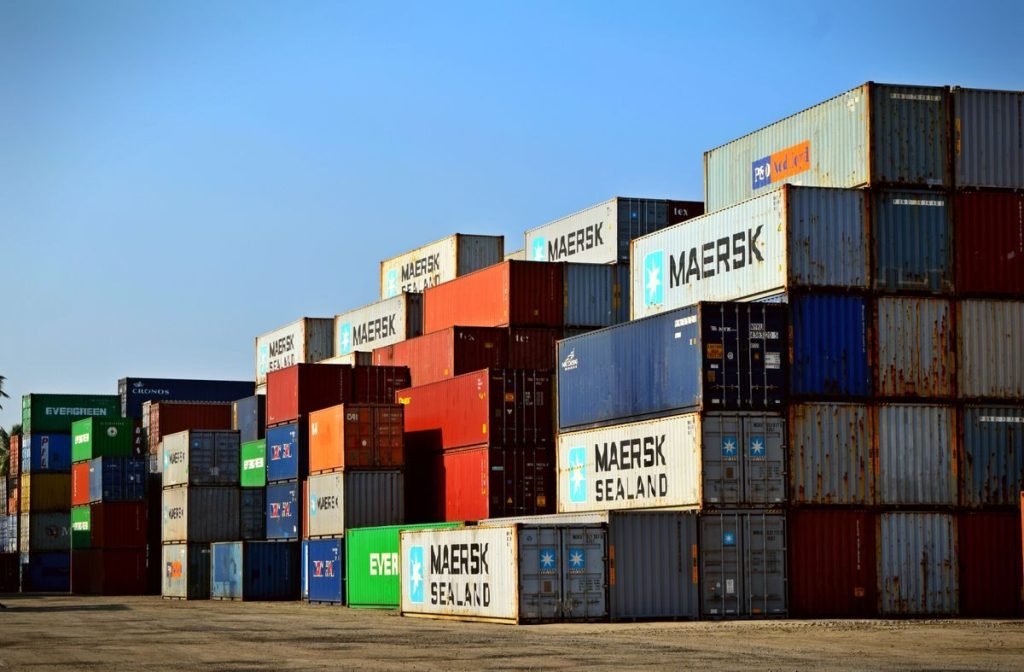
Mundra, on the Gujarat coast, has grown from relative obscurity into one of India’s busiest container ports, and for a lot of exporters in the north and west of the country it has become a serious alternative to the Mumbai gateways. Understanding when Mundra is the better choice can save both time and money.
Geography and congestion
For cargo originating in Gujarat, Rajasthan, Delhi-NCR and the northern belt, Mundra is often closer than Nhava Sheva, which shortens the inland leg and its cost. The port is modern, efficient and — at many times — less congested than the Mumbai cluster, which can mean smoother handling and more predictable cut-offs. For the right cargo, routing through Mundra is simply faster end to end.

It is not automatically the answer, though. Sailing frequency and direct-service availability on your specific lane matter, and for some destinations Nhava Sheva still offers more options. The right port is the one that gives your cargo the best combination of a short inland leg and a good sailing — which is a per-lane decision, not a blanket one.
Choosing the port deliberately
We look at the origin, the destination and the sailing options together and recommend the gateway that actually serves the shipment, rather than defaulting to one port out of habit. That might be Mundra, it might be a container out of Nhava Sheva, and for some cargo it might be the east coast entirely.
The rail link from the north
Mundra’s case rests as much on its railway as on its berths. Container trains run to the port from inland depots in Delhi-NCR, Punjab, Haryana and Rajasthan, and the western dedicated freight corridor, built for double-stacked container trains, has shortened the rail leg further where it is complete. For a manufacturer near Ludhiana or Jaipur, a factory-stuffed container on a train to Mundra is often the most predictable part of the whole journey.
The depot matters as much as the port. A container cleared by customs at an inland depot travels to Mundra already sealed and documented, and needs only to catch its train and its vessel. Ask which depots serve your area, how often the trains run to Mundra, and how that frequency lines up with the sailings you need.
Comparing Mundra with Nhava Sheva for a real shipment
A fair comparison between the two ports takes more than a glance at the map. These are the questions we settle before recommending one:
- Where is the cargo stuffed, and which rail depot or road route reaches each port from there?
- Which services call at each port for the destination, and are they direct or transhipped?
- What is the door-to-door transit on each option, including the inland leg at both ends?
- How congested is each port in the weeks the cargo will move, and how much free time comes with each booking?
- Does the buyer’s destination port receive both services, or only one?
The answers change with the season and the carriers’ rotations, so the right port for a shipment in spring is not always the right one in autumn.
A private port with its own rhythm
Mundra is a privately developed port with several container terminals, some run in partnership with international terminal operators, and it sits alongside a large special economic zone. That setting brings things a cargo owner can use: warehousing close to the berths, and a free trade warehousing zone where imported goods can be held without paying duty until they are sold or sent onwards.
Its procedures follow the same customs rules as any Indian port, but the terminals set their own cut-offs and gate arrangements. A forwarder who works the port regularly knows which terminal each service calls at and how early the gate closes, and that local knowledge is what keeps a container from missing its vessel.
The other Gujarat gateways
Mundra is not the only option on the Gujarat coast. Deendayal Port at Kandla is better known for bulk cargo but handles containers too; Pipavav, in Saurashtra, serves several mainline services; and Hazira, near Surat, is well placed for the textile and engineering units of south Gujarat. For an exporter in Surat, Hazira can remove most of the road leg altogether, which is a saving no rate negotiation elsewhere can match.
Weather on the Gujarat coast
The Arabian Sea cyclone seasons, around May and June and again after the monsoon, occasionally bring vessel operations on this coast to a halt for a few days while a storm passes. It does not happen every year, but when it does, containers queue at the gate and sailings slip across all the Gujarat ports at once. A shipment with a hard deadline in those months deserves a little more buffer than the schedule suggests.
If your goods originate in northern or western India, it is worth asking whether Mundra is the smarter routing. Send us your lane and origin and we will compare the gateways for you.