
Shipping through Nhava Sheva (JNPT): a shipper’s guide
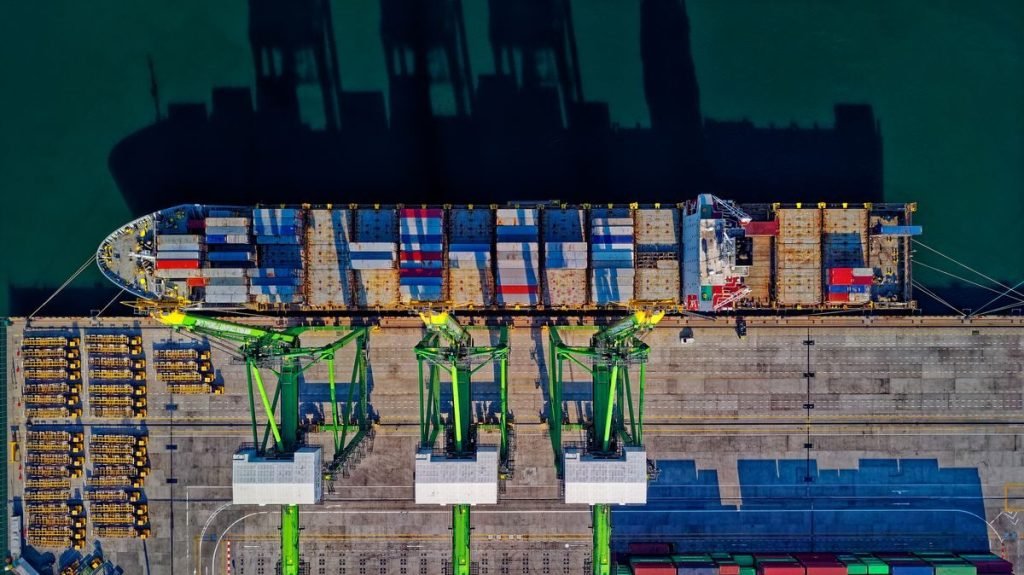
Jawaharlal Nehru Port — Nhava Sheva, or JNPT — is India’s largest container port and the default ocean gateway for a huge share of the country’s trade. If you are exporting or importing containers through the Mumbai region, you are almost certainly using it. Knowing how it works, and where its pressure points are, makes for smoother shipments.
Why volume is both strength and weakness
The port’s scale is its advantage: frequent sailings on every major lane, deep carrier competition, and the infrastructure to handle serious volume. That same volume is its weakness — at busy periods the approach roads, the container yards and the clearance queues all feel the load, and a shipment that is not ready moves to the back of the line. Congestion at JNPT is rarely about the port’s capacity and usually about timing and preparation.
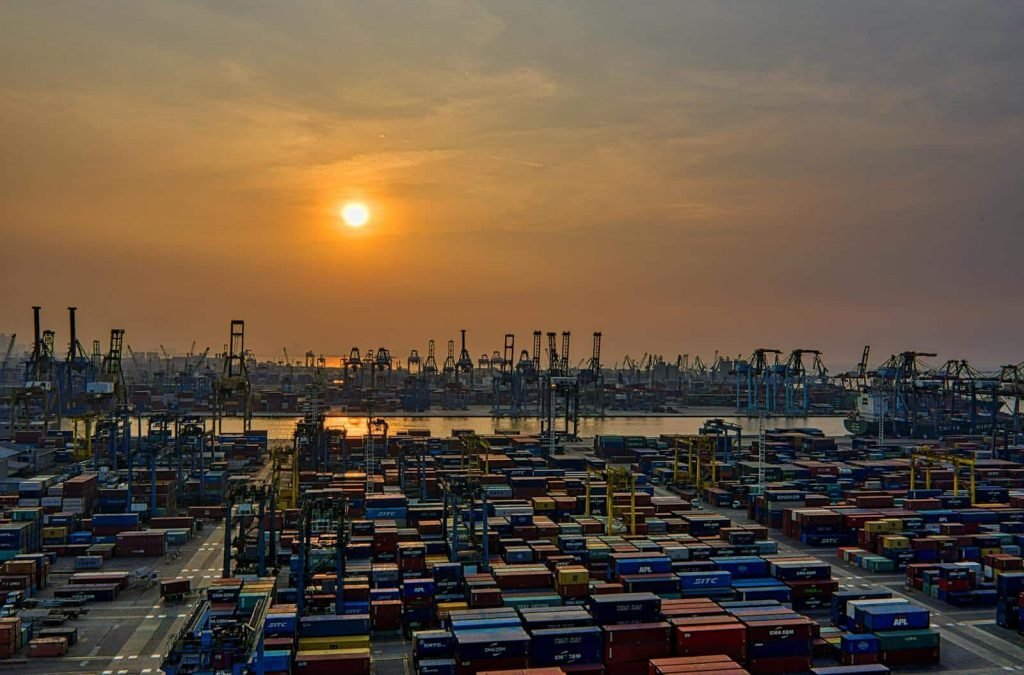
The way to use JNPT well is to be ready before the cargo arrives at the port, not after. Documentation complete, the shipping bill filed and the entry cleared, the container booked against a confirmed sailing. Cargo that is ready flows; cargo that is not, waits — and waiting at a busy port starts costing quickly.
Making the port work for you
With our Mumbai office close to the port, we work JNPT directly, which means we can act on a shipment quickly rather than relaying instructions from a distance. That proximity matters most when something needs attention — a query, a cut-off, a documentation fix — and the difference between same-day and next-day action is a rolled sailing.
Terminals, freight stations and direct entry
Nhava Sheva is not one terminal but several, run by different operators under the port authority, and the terminal your vessel calls at decides where the export container must be delivered and by when. Around the port sit container freight stations, where LCL cargo is received and stuffed and where some export examination takes place. Factory-stuffed full containers can skip that stop: under direct port entry, a sealed container goes straight from the exporter’s premises to the terminal, which saves a handling step and usually a day or more. Imports have the equivalent in direct port delivery, where eligible importers take their containers straight from the terminal to their own premises.
Whether a shipment qualifies for direct entry depends on the exporter’s standing with customs and on the cargo, so it is worth establishing once rather than asking on every booking.
Cut-offs and the gate
An export container has to meet several deadlines before a vessel sails. The shipping instructions and the verified gross mass, required for every loaded container since 2016, must reach the carrier by the documentation cut-off. The container must be through the terminal gate by the gate cut-off. And customs must have granted the Let Export Order before it can be loaded. Missing any one of these rolls the container to the next vessel on that service, which at a busy time can mean a week.
The cut-offs are published by the carrier and the terminal, and they are earlier than many first-time exporters expect. Work backwards from them: if the gate closes on a Tuesday afternoon, the factory stuffing should finish with room to spare for the truck, the queue and the paperwork.
The import side of the port
Imports carry deadlines of their own. Indian customs now expects the bill of entry to be filed before the vessel arrives, and filing late attracts a charge. A container that is not cleared promptly is moved from the terminal to a container freight station, which adds handling and storage to the importer’s bill, while eligible importers on direct port delivery take their containers straight from the terminal. Either way, the importer’s documents — invoice, packing list, bill of lading and any licence or certificate the goods need — should be with the broker before the ship berths, not after.
Getting cargo to the port
Much of what Nhava Sheva handles never sees a Mumbai road until the last few kilometres. Containers arrive by rail from inland container depots across northern and western India, and by road from the industrial belts of Maharashtra and Gujarat. For road cargo, the approach roads and the port’s parking areas are where a day can be lost, especially in the monsoon, when heavy rain slows traffic across the region from June to September.
The practical answer is timing. Plan for the container to reach the port with a buffer before the gate cut-off, and allow more of it in the rains and in the weeks before a holiday, when every exporter is trying to ship at once.
If your cargo moves through Nhava Sheva, put a team near the port on it. Read more about the Indian gateways we work and how they connect to the world.