
India to Southeast Asia: Singapore transhipment and direct calls
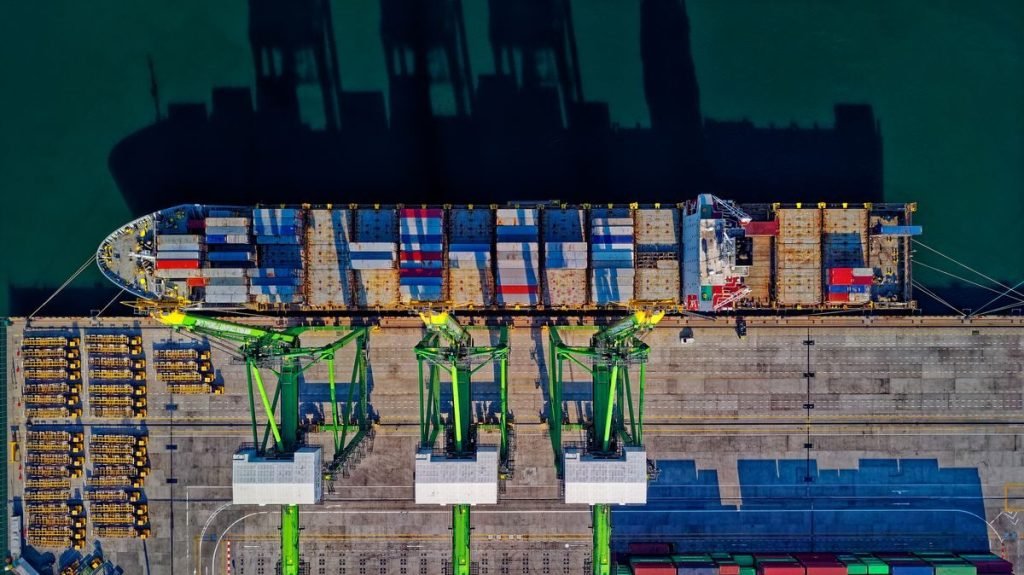
Southeast Asia — Singapore, Malaysia, Thailand, Vietnam, Indonesia and their neighbours — is a close, fast-growing set of markets for Indian exporters, and one of the best-connected regions by sea and air. Much of the ocean cargo moves through Singapore, one of the world’s great transhipment hubs, which makes understanding transhipment the key to reading this lane.
What transhipment means for your transit
A direct sailing takes your container from an Indian port to the destination without unloading in between. A transhipment routing moves it via a hub — often Singapore or Port Klang — where it is discharged and loaded onto a connecting vessel. Transhipment opens up far more destinations and sailing frequencies, but it adds a connection, and a connection is a point where time can be gained or lost. Reading a quoted transit time on this lane means knowing whether it is direct or transhipped.
For most Southeast Asian destinations, transhipment through Singapore is normal and efficient, not a compromise. We explain the routing when we quote, so you know how your ocean freight into the region actually moves, rather than seeing only a number.
Fast, frequent, forgiving
Compared with the long-haul lanes, Southeast Asia is quick and frequent, which makes it forgiving — a missed sailing is rarely a disaster when the next one is days away. Air is quick and cheap relative to distance for urgent cargo. It is a good region to build volume in.
Preferential duty under the ASEAN agreement
The ASEAN–India trade agreement in goods has been in force since 2010, and it lowers duty on a long list of Indian products entering the ten ASEAN countries that are party to it. The preference is claimed with a certificate of origin in the agreement’s own format, known as Form AI, issued through the DGFT’s online platform. India also has separate bilateral agreements with Singapore and Malaysia, and for some products one of those gives the better rate, so the right certificate depends on the product and the destination rather than on habit.
The agreement is under review, and tariff schedules can change as a result. Before relying on a preference in a price, ask the buyer to confirm the rate they expect to pay on arrival and the certificate they need to claim it. An importer who has claimed the wrong preference will pass the corrected duty back up the chain.
Each market keeps its own rulebook
ASEAN is a trade bloc, not a single customs territory, and the destination countries apply their own standards and import rules:
- Singapore charges customs duty on very few goods — liquor, tobacco, motor vehicles and petroleum products — but goods and services tax applies to imports, and controlled items need clearance from the relevant agency.
- Malaysia requires SIRIM approval for certain regulated products, and electrical goods are a common example.
- Thailand applies mandatory TISI standards to a published list of industrial and consumer products.
- Indonesia enforces its SNI standards on many goods and is phasing in halal certification across food, cosmetics and other consumer categories.
- Vietnam carries out specialised inspections on food, chemicals and some machinery before release.
The point for an exporter is simple: a shipment that clears easily into Singapore can need a registration or a test report in Jakarta or Bangkok. Ask the buyer which approvals the product needs in their market before the first order ships.
Singapore as a regional stockholding point
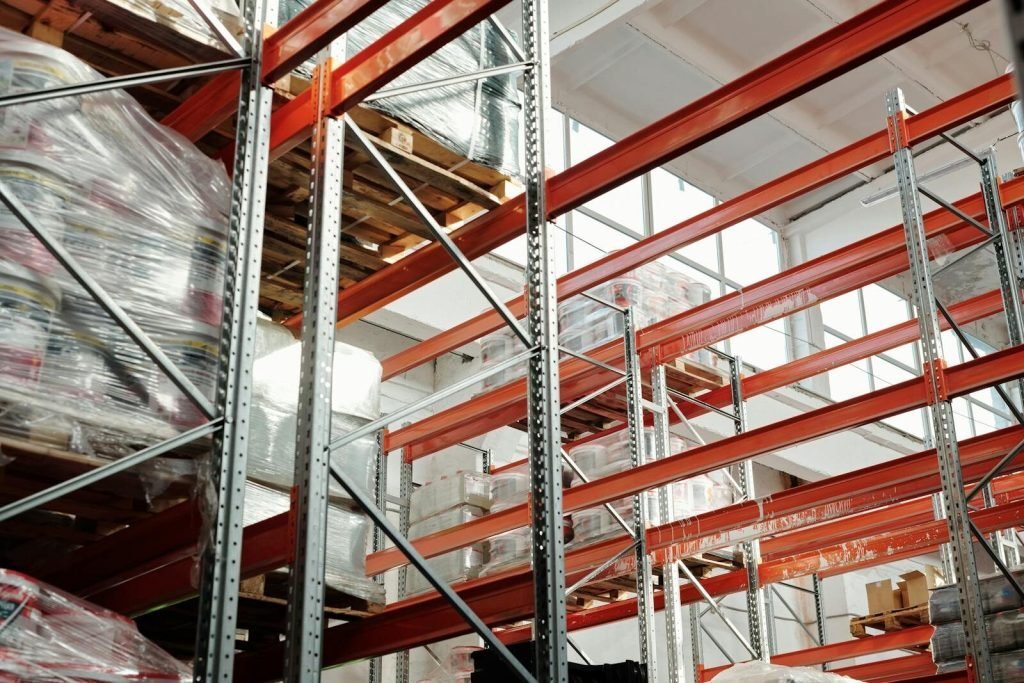
Singapore is also useful as a warehouse, not only as a transhipment port. An exporter with several buyers across the region can ship full containers into a Singapore free trade zone, hold the stock there without paying duty, and send smaller consignments to each market as orders arrive. The approach turns a string of small, expensive shipments into one efficient ocean movement and a set of short regional hops, and it lets a buyer in Manila or Ho Chi Minh City receive in days rather than waiting for the next sailing from India.
Air earns a place on this lane too. The southern airports — Chennai, Bengaluru and Kochi — have regular flights to Singapore and Kuala Lumpur, and space on them suits samples, spare parts and seasonal top-ups that cannot wait for the next sailing.
The warehouse model is not right for every product. Stock held abroad ties up working capital, and the regional legs still need the destination country’s paperwork. For a range that sells steadily across several ASEAN markets, though, it is one of the most effective ways to serve them. Start with the two or three markets that order most often, prove the model there, and add the others once the stock turns are predictable.
If you are expanding into Southeast Asia, our reach across Asia-Pacific covers the direct and transhipment routings alike. Tell us the destinations and we will show you the fastest reliable way to each.