
India to West Africa: Lagos, Tema and the documentation reality
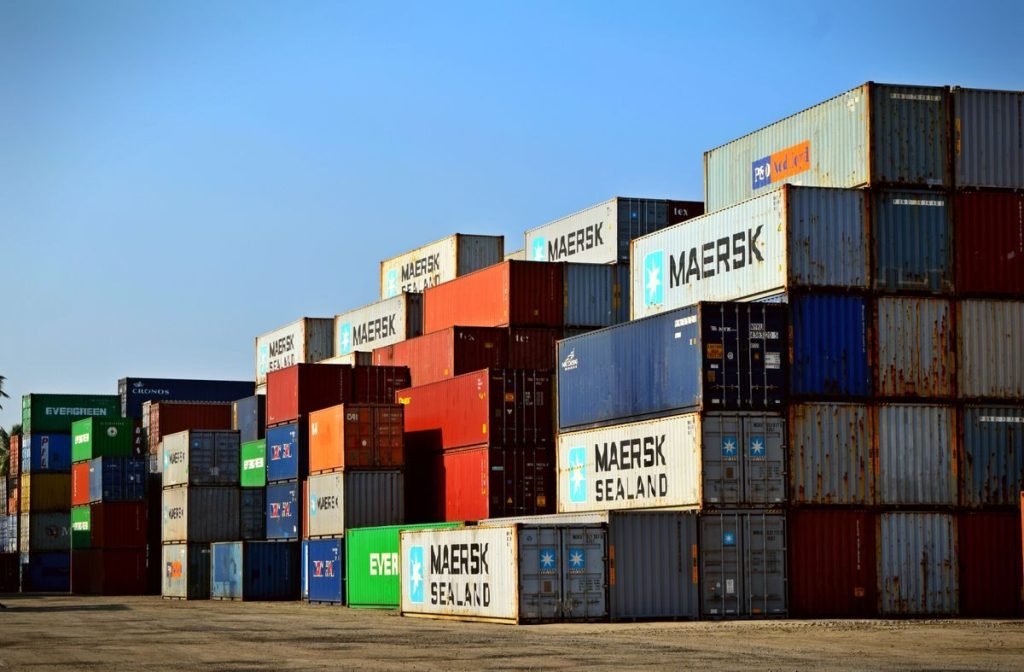
West Africa — Nigeria, Ghana, and their neighbours — is a market of real scale and appetite for Indian goods, from pharmaceuticals to building materials to consumer products. It is also a lane where the documentation and import procedures are exacting, and where an under-prepared shipment can face costly delays. Handled properly, it is a rewarding market; handled casually, it is a hard one.
Pre-shipment inspection and import documents
Several West African countries operate import inspection and monitoring schemes — Nigeria’s import process, Ghana’s procedures — that require specific documentation and, for many goods, pre-shipment or destination inspection. Getting the right form of these documents, in the right sequence, is essential; the far-end clearance is unforgiving of gaps, and demurrage in the region is expensive.
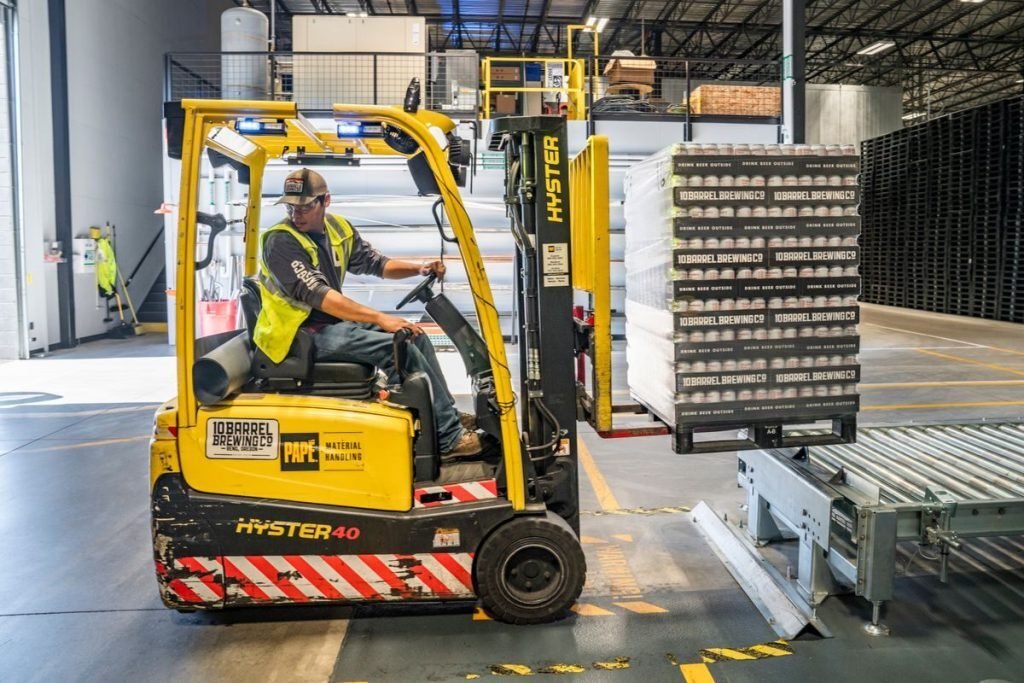
The lesson every experienced West Africa shipper learns is to front-load the paperwork. What clears smoothly is what was documented correctly before the vessel sailed. Trade documentation prepared to the destination’s requirements is not optional on this lane — it is the difference between clearing and sitting.
Freight and the far-end
Ocean to Lagos (Apapa and Tin Can), Tema and the regional ports is the volume route. Transit is moderate, but port congestion and clearance timelines vary, so the schedule needs realistic buffers. The far-end agent matters enormously here — more than on almost any other lane.
Nigeria: Form M, the PAAR and SONCAP
Nigeria’s process starts with the importer, not the exporter. Before the goods ship, the buyer opens a Form M through an authorised dealer bank, and the Form M number should appear on the commercial invoice and the bill of lading. Nigeria Customs then issues a Pre-Arrival Assessment Report, the PAAR, against the documents supplied, and clearance on arrival works from it. An invoice that does not match what was declared on the Form M is one of the most common reasons a shipment stalls in Apapa or Tin Can.
Regulated products carry a second track. SONCAP, run by the Standards Organisation of Nigeria, requires a product certificate and a certificate for each shipment, and food, medicines and cosmetics must be registered with NAFDAC before they can be imported at all. An exporter who ships a first order on the strength of a purchase order alone, without confirming these, is taking a risk the buyer may not realise they have passed on.
Ghana and the neighbouring markets
Ghana declares imports through its integrated customs management system, ICUMS, and relies on the Ghana Standards Authority and the Food and Drugs Authority for regulated goods. Several francophone neighbours — Côte d’Ivoire, Togo and Benin among them — require a cargo tracking note, known as an ECTN or BSC, validated before the container is loaded. Sailing without it tends to mean a fine or a hold at the destination rather than a rejected booking in India, so it is easy to miss until it is expensive.
Letters of credit and matching documents
Many West African buyers pay by letter of credit. That makes documentary accuracy a payment question as well as a customs one: the bank pays only against documents that match the credit’s wording exactly, down to the description of the goods and the port names. Read the credit before the goods are packed, raise anything that cannot be met while there is time to amend it, and prepare every document to the letter of the credit rather than to habit.
Packing for a long wait
Cargo that waits at a West African port for clearance can sit for weeks in heat and humidity, so export packing should assume a long dwell. Metal goods and electronics need moisture barriers and desiccant, palletised cartons need strapping and shrink-wrap, and the container seal number should be recorded on every document so that tampering is obvious at the gate. Marking each carton with the consignee and the order number helps the far-end agent reconcile a mixed container quickly.
Where the buyer pays in advance or on open account rather than by credit, agree in writing who pays for inspection, storage or re-documentation if the shipment is held. Those costs land on someone, and after the event nobody volunteers.
Buffers for the far end
Lagos now also has the deep-sea port at Lekki alongside Apapa and Tin Can, and Tema has expanded its container capacity, but clearance times in the region still vary widely from one week to the next. Negotiate extra free time with the carrier when you book if the buyer’s clearance is likely to be slow, and give the buyer a realistic arrival window rather than the vessel’s scheduled date.
We handle West Africa through agents we have worked with for years, because on this lane relationships and local knowledge are worth more than any rate. If you are shipping into the region, plan early and let us handle the documentation properly.