
ICEGATE Shipping Bill walkthrough: what your CHA actually files

For most families moving out of India, the Customs House Agent is a name on the invoice and the Shipping Bill is a document they never read. That is fine until something goes wrong — a query at the port, a delay in Bill of Lading reconciliation, a refund or duty drawback that does not arrive — and then the inability to read what your CHA actually filed becomes expensive. This piece walks through the Shipping Bill structure on ICEGATE 2.0 in 2026, so the next time you see one, the document is readable.
What ICEGATE actually is
ICEGATE is the Indian Customs Electronic Gateway, the online portal through which all export documentation is filed with the Customs department. ICEGATE 2.0, the platform refresh that completed rollout late in 2025, brought materially faster acknowledgement times, better integration with the Reserve Bank of India’s EDPMS for export proceeds, and a cleaner audit trail. The Shipping Bill is the central export document filed through ICEGATE for every container or air consignment leaving India.
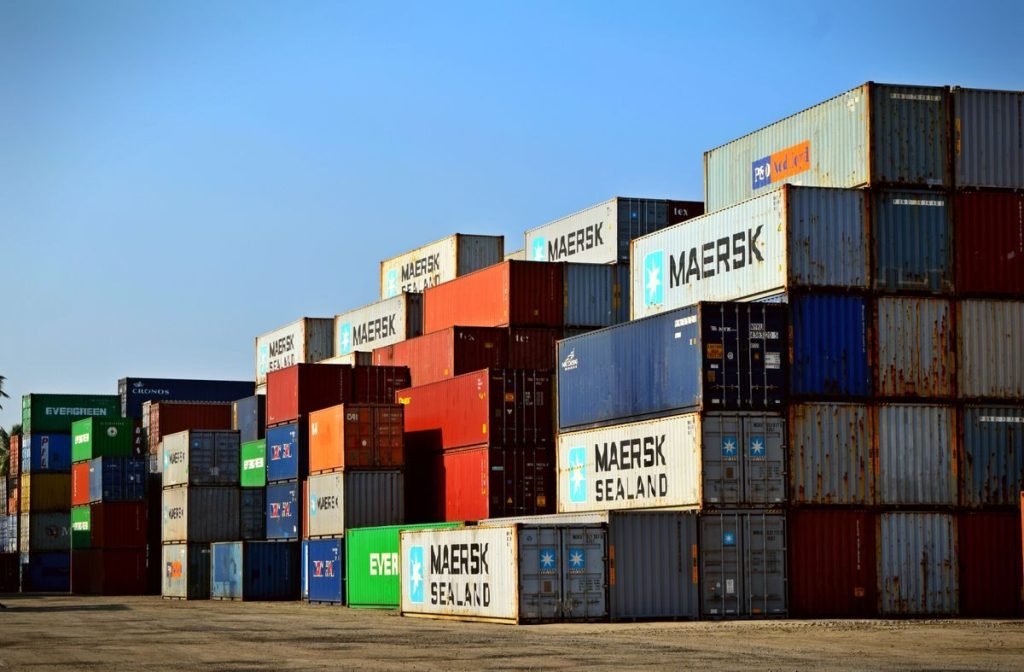
The Shipping Bill in plain English
Whether you are a returning NRI shipping personal effects under TR, a corporate move, or an SME exporting commercial goods, your CHA files one of three Shipping Bill types: a Free Shipping Bill (no incentive scheme claimed), a Drawback Shipping Bill (where duty drawback is being claimed back on inputs), or a Scheme Shipping Bill (RoDTEP, MEIS where still applicable, EPCG and others). For most household moves the Free Shipping Bill applies; for commercial cargo the choice depends on the scheme code your goods qualify for.
The header block
The Shipping Bill header lists the exporter’s IEC (Importer-Exporter Code), AD code (the Authorised Dealer bank code linking the export to your bank account for proceeds tracking), the port code (INNSA for Nhava Sheva, INMUN for Mundra, INMAA for Chennai, INCOK for Cochin), the shipping line and the consignee abroad. The AD code is the field that catches families off-guard most often — without it, EDPMS reconciliation fails and the export sits open in the RBI’s books long after the consignment has been delivered.
The invoice and item block
Each line item declares the HS code (the eight-digit Indian tariff code), the quantity, the unit value, the assessable value in Indian rupees, the country of final destination, and any scheme code being claimed. For personal effects under TR, the line items are aggregated into household-goods categories with declared values that reflect the second-hand market for those items, not their original retail prices. Inflating personal-effects values is one of the recurring errors we see when families self-file or use an inexperienced CHA.
The transport and dispatch block
The container number, seal number, vessel name, voyage number and Bill of Lading reference all populate this block. The Let Export Order (LEO), issued by the Customs officer after assessment, is the trigger for the container to physically move out of the port. The Shipping Bill is not closed until the LEO is on file and the vessel has sailed.
RoDTEP and Drawback for SMEs
For families with a commercial component to their move — a small business shifting inventory, an entrepreneur moving sample stock with a young venture — the scheme codes matter. The Remission of Duties and Taxes on Exported Products (RoDTEP) rate has been re-notified in early 2026 across several product lines, and the scheme code at line-item level determines whether the rebate is credited correctly. Duty drawback on inputs is a separate claim that compresses or expands the margin on each shipment by several percentage points.
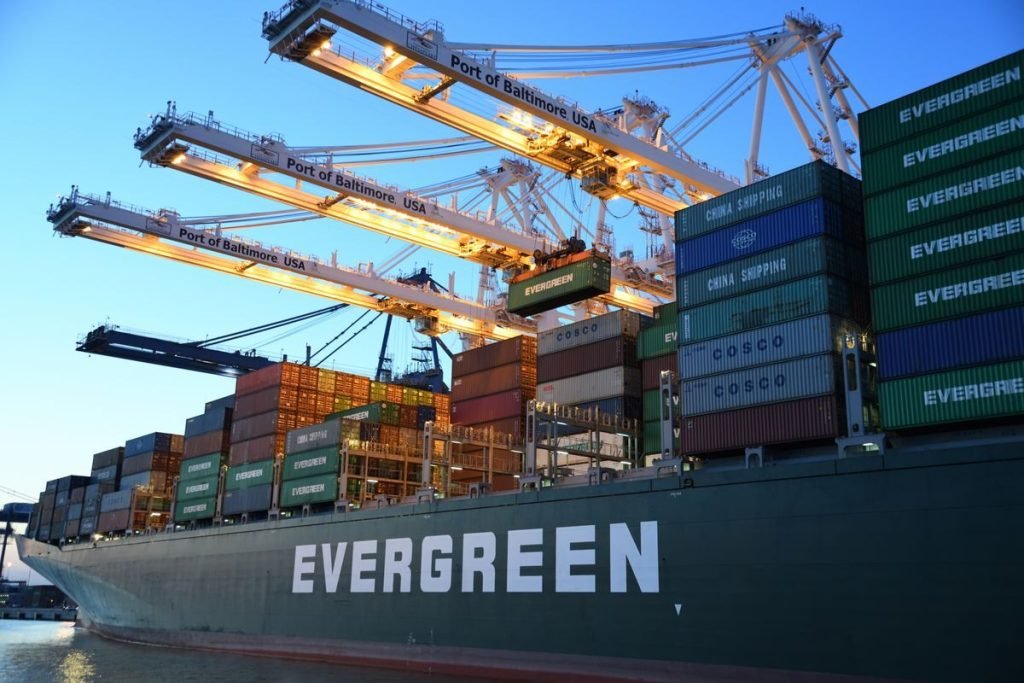
Our Mumbai team routinely audits scheme code accuracy before filing, because errors at this stage are slow and expensive to correct. The RoDTEP credit lands in the exporter’s scrip ledger weeks after the consignment has sailed, and a wrong code at filing time can mean the scrip never materialises.
GST LUT and the export-without-payment route
Letter of Undertaking (LUT) under GST allows an exporter to ship goods or services without paying IGST upfront, with input tax credits claimed in the normal GST cycle. Most of our SME clients operate under LUT rather than paying IGST and claiming refund — the cash-flow benefit is substantial. The LUT is filed annually with GST authorities and the LUT reference appears on each Shipping Bill. Personal-effects movers under TR do not operate within GST and the LUT question does not arise.
What can go wrong, and what we do about it
The five most common Shipping Bill problems we resolve in 2026:
- AD code mismatch — export proceeds tracking fails until corrected through the bank
- HS code error — scheme benefits denied or duty assessed incorrectly
- Container or seal number discrepancy against the gate-in record — LEO held until reconciled
- Mis-declared personal-effects values — assessment query, sometimes a physical examination
- FEMA-side proceeds tracking failure — the consignment is fine but the exporter’s books carry an open EDPMS entry for years
The fix in every case is upstream discipline: complete, accurate data at filing time. Our CHAs in Mumbai, Chennai, Cochin and the inland centres operating into Nhava Sheva, Mundra and Cochin work to a standard checklist that catches each of these before the file goes into ICEGATE.
What a household client should ask their CHA
Three questions that are worth asking your appointed CHA before the survey:
- Which port and which Shipping Bill type are you filing under for this consignment, and why?
- What HS-code aggregation are you using for the household-goods inventory, and how have you valued each block?
- How will the AD code link to my bank account, and can you walk me through the EDPMS reconciliation that will follow?
A CHA who can answer all three crisply is one you can trust with the rest of the file. A CHA who cannot is one whose work you should ask Seemleius to audit before sailing.
The Shipping Bill is not glamorous reading, but it is the legal document on which your move stands. When something goes sideways at the port six weeks after sailing, the family who knows what was filed has a much shorter path back to resolution than the family who never read the paperwork.