
Insurance for India-origin moves: All-Risk vs warehouse-to-warehouse

Insurance is the single line item on a moving quote that families most often misread. The premium looks small, the cover sounds comprehensive, and the policy language is opaque enough that a careful look is usually skipped. Six months later, when a damaged crate is opened in Toronto or Dubai, the gap between what was assumed and what was actually purchased becomes painfully visible. Below is our Mumbai and Kochi desk’s working view of how Indian-origin moves should be insured in 2026.
What “all risk” actually means — and what it does not
The term most international movers will quote you is “All Risk” cover. The name suggests something it is not. All Risk is a specific marine-cargo insurance form that covers physical loss or damage from external causes during transit, subject to a defined list of exclusions. It is broad — broader than “Named Perils” cover which lists only the events covered — but it is not infinite.
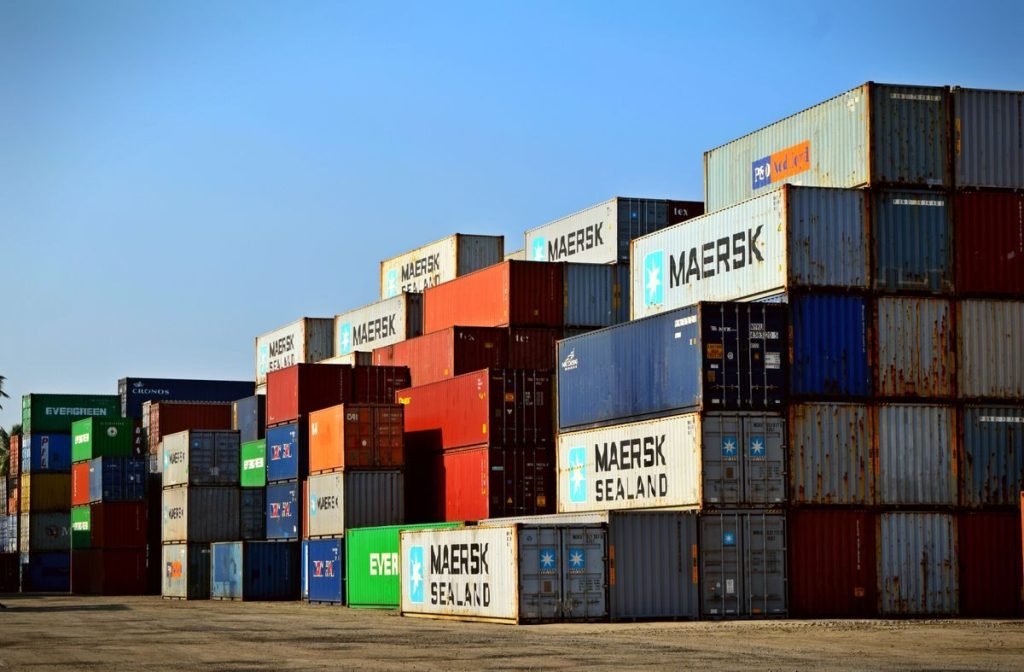
What All Risk typically covers on an Indian-origin household move: damage from impact, dropping, water ingress during sea transit, fire, theft of an entire package, and damage from rough handling. What it typically excludes: inherent vice (electronics that fail because they are old), mechanical or electrical derangement without visible external damage, mould or mildew unless the policy explicitly extends to it, pairs-and-sets reductions, and consequential losses such as a missed connection because freight was delayed.
For a family shipping a 20-foot or 40-foot consignment from Nhava Sheva or Cochin, the All Risk form is the right starting point. What matters is reading the exclusions, the deductible, and the valuation method — not just the premium.
Warehouse-to-warehouse: the clause that defines duration
The other phrase that appears in every policy schedule is “warehouse-to-warehouse.” This is the duration-of-cover clause. A warehouse-to-warehouse policy attaches the moment your goods leave the named origin warehouse (or your home, if it is door-collect) and continues through transit, port handling, sea passage, destination port handling, road haul and final delivery to the destination address.
It is the right cover form for almost every international household move because the risk is not just at sea — it is at port, on the truck, and during the final unloading. Where families come unstuck is when a warehouse-to-warehouse policy lapses because the goods are placed into long-term storage at destination beyond the policy’s allowed standstill period. The standard standstill is 60 days; some policies allow 30, some extend to 90. After that, the cover terminates and the goods become uninsured unless a separate storage policy is taken.
For our NRI clients returning to India who plan to store goods while building or renovating a home in Kerala, Karnataka or Maharashtra, this clause is the one we ask the underwriter to specifically extend at the time of booking, not after.
Valuation: agreed value versus actual cash value
The third clause that changes claim outcomes more than any other is how the policy values your goods. The two common forms are Agreed Value and Actual Cash Value.
Agreed Value insures each item, or the consignment in aggregate, at a value declared and agreed at the start of the policy. If a claim is paid, it is paid at that declared value, with no depreciation. Actual Cash Value pays replacement cost minus depreciation — meaning a six-year-old laptop is paid out at six-year-old laptop value, not at the cost of a current model.
For older household contents Actual Cash Value is the cheaper premium and usually the worse deal. For a family shipping a recently-furnished apartment from Mumbai or Bengaluru, Agreed Value at honest replacement cost is the form we recommend. The aggregate declared value should reflect what it would cost to re-buy each category in the destination market — not what the items would fetch resold in India.
The valued inventory: the most important document in any claim
Whatever form of cover you take, the policy is only as good as the valued inventory that supports it. This is the line-item or category-level list of contents with their declared values, signed by the family before the consignment leaves origin. Without it, claims default to the policy’s minimum-per-package payout, which is almost never adequate.
For Indian-origin moves we work through the valued inventory with the family room by room, photograph high-value items before packing, and lodge the signed inventory with the underwriter alongside the booking. This is unglamorous, but it is the work that decides whether a claim is paid in full or in part.
Specific exclusions to ask about explicitly
- Electronics derangement. Most All Risk forms exclude internal failure of electronic items unless there is visible external damage. If the consignment contains high-value AV, computing or kitchen-electronics, ask whether a derangement extension is available.
- Jewellery and high-value items. Standard policies cap per-item payouts. Items above the cap need to be declared and separately insured.
- Pairs and sets. If one chair of a six-chair dining set is damaged beyond repair, some policies pay only for the one chair, leaving you with a five-chair set. Ask about pairs-and-sets cover.
- Mould and mildew. South India humidity loads in containers are real. Ask whether mould-and-mildew is excluded, included, or extendable.
- Customs examination damage. Customs is permitted to open and re-pack consignments. Damage during this process is excluded under most policies unless customs is named as an insured peril.
What we recommend for an Indian-origin household move
Our default recommendation for a family-sized consignment ex India is All Risk, warehouse-to-warehouse, Agreed Value, with a signed valued inventory, a 90-day storage standstill if there is any chance of destination-side storage, and explicit cover for mould and mildew if the route passes through a tropical leg.
The premium difference between a basic Named Perils policy and the recommended cover is usually under 0.5% of the declared value of the consignment. The claim difference, when something does go wrong, is the difference between a small inconvenience and a real financial setback.
If you are taking a quote from a mover and the insurance line is described in a single sentence, ask for the policy wording. Read the exclusions before you sign. If we are quoting the move, we will walk you through the form, and we will not enrol you in a policy whose exclusions you have not seen.