
India to New Zealand: long-haul freight and MPI biosecurity
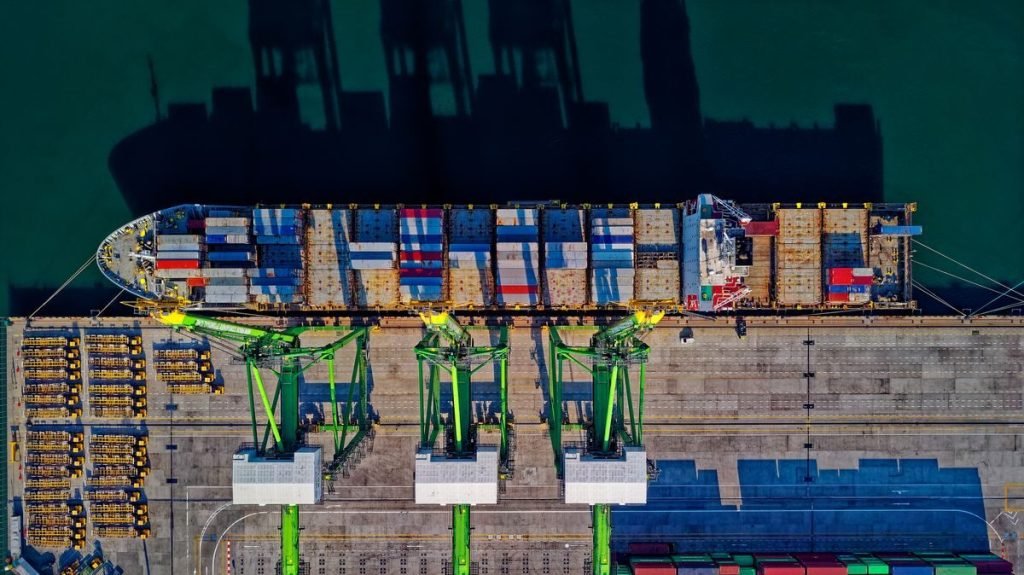
New Zealand is one of the more demanding destinations on the Indian-origin moves desk. The distance is long, the biosecurity regime is among the strictest in the world, and the customs concession that lets used household goods in free of duty carries conditions that sit awkwardly against a forty-day ocean leg. Below is the working knowledge our Mumbai and Bengaluru coordinators have built handling moves to Auckland, Wellington and Christchurch.
The corridor: long-haul by definition
There is no short way from India to New Zealand. Sea freight from Nhava Sheva, Mundra or Cochin to Auckland or Wellington typically runs 35 to 45 days port-to-port, often with a transhipment at Singapore, Port Klang or occasionally Sydney. Add origin handling and destination clearance, and the realistic door-to-door window is 60 to 75 days from packing day to delivery, with biosecurity examination layered on top.
Air freight is genuinely useful here for the first 30 days of essentials — we routinely split a household consignment with the family travelling alongside a 200 to 500 kilogram air shipment that lands in the same week, leaving the bulk of furniture and non-essentials on the sea leg.
Biosecurity: the defining destination factor
New Zealand’s biosecurity regime is administered by the Ministry for Primary Industries (MPI), and it is unambiguously the strictest a household consignment will face anywhere in the standard Indian outbound network. The principle is simple: the country is a relatively pest-free island ecosystem and intends to remain that way. The application is unforgiving.
Items that are routinely examined and frequently treated, fumigated or refused entry include outdoor furniture, garden tools, used vacuum cleaners, used sports equipment with soil contact (cricket bats, football boots, golf clubs), wooden artefacts, certain plant-fibre items, food, seeds, untreated wood packaging, and anything that has spent time in a garden, garage or shed.
Items that are usually fine but should be declared honestly: leather goods, cane and wicker furniture, woollen carpets, religious wooden items. The honesty point is important. MPI’s stance is that a declared item can be examined and treated; an undeclared item that is then found triggers a different and far more expensive enforcement path.
How we prepare a consignment for New Zealand biosecurity
- Pre-departure declutter. The cheapest biosecurity treatment is the item that never travels. We brief our New Zealand-bound clients to leave gardening equipment, outdoor furniture and contaminated sports gear behind, or to professionally clean them before packing.
- Wood-packaging compliance. All wooden crates and pallets must be ISPM-15 compliant. Indian-origin shipments routinely use ISPM-15 packaging, but spot-check it.
- Honest, granular inventory. The packing list submitted to MPI should be specific. “Miscellaneous household” is not adequate; “wooden carved elephant 30cm” is.
- Pre-clean and dry. Items packed slightly damp from monsoon humidity can attract additional biosecurity examination on arrival. Pack dry, in a dry environment.
If a consignment is flagged for treatment on arrival — methyl bromide fumigation, heat treatment or supervised cleaning — the cost lands on the receiver, and the consignment will not release until paid. Realistic budgeting includes a small biosecurity-treatment contingency even when everything is declared correctly.
How the arrival side of this corridor works
Most Indian professionals settling permanently in New Zealand arrive through the Skilled Migrant Category, and a large share of the temporary-to-permanent moves begin on an Accredited Employer Work Visa. Both are third-party processes with their own timetables, and they are the reason arrival dates on this corridor firm up late and change often.
Seemleius International is a movers and packers, not an immigration adviser. The freight consequence is narrower and entirely practical: New Zealand Customs will not release an unaccompanied household consignment to a person who is not yet entitled to reside at the delivery address, so the sailing is planned from the date an arrival is confirmed rather than from the date it is hoped for.
The binding constraint on this corridor is therefore not the vessel schedule. It is the confirmed arrival date, and across a 35 to 45 day ocean leg that date has to be reasonably firm before a container is booked. We work backwards from the week the household will actually be in the house and forwards from the packing crew’s availability in Mumbai or Bengaluru, and let the freight bridge the gap.
Where a household is already resident in New Zealand on an employer-accredited basis, the goods can be booked earlier, because the unaccompanied-personal-effects concession is available from the point residence is established rather than at some later milestone.
The Transfer of Residence equivalent: unaccompanied personal effects
New Zealand does not call it Transfer of Residence; the relevant provision is “unaccompanied personal effects” and it allows duty-free and GST-free importation of used household goods for a person taking up residence. Eligibility requires that the goods have been owned and used overseas for 12 months or more, and that the importer is entitled to reside in New Zealand at the time of import.
The clearance file at the New Zealand end is the itemised inventory, a Customs Form NZCS218 declaration, the consignee’s own identity and residence documentation, and the delivery address. We build the inventory and the goods declaration in Mumbai or Bengaluru before the consignment leaves, so that the broker at Auckland can lodge on arrival rather than begin collecting paper.
Auckland versus Wellington versus Christchurch
Most Indian-origin sea freight to New Zealand lands at Ports of Auckland. Tauranga is the alternative North Island gateway for some routings. Wellington and Lyttelton (for Christchurch) are also options but with longer transit and fewer direct sailings, which usually adds a week.
For a household destined for Auckland the question is simple: it goes to Auckland. For Wellington or Christchurch destinations, the choice is between routing direct (longer, fewer sailings) or routing to Auckland and doing the final leg by domestic transport. We usually quote both and let the family pick on price and timing, but for Christchurch destinations the Auckland-plus-truck routing is more often the practical answer.
The order that keeps this corridor cheap
- The arrival week confirmed in writing before packing dates are committed.
- Air freight for first 30 days of essentials; sea freight for the rest.
- Aggressive pre-departure declutter on outdoor and garden items.
- Granular inventory built for MPI, not for the family scrapbook.
- ISPM-15 compliant packaging verified at origin.
- Realistic 60 to 75 day door-to-door window communicated to the family.
- Biosecurity-treatment contingency budgeted, even when expected to be zero.
If a move to New Zealand is on your horizon, the most useful first conversation is short and targeted. Fifteen minutes on what is in the garage, what is made of wood and when you need to be in the house is usually enough to shape the biosecurity preparation and the sailing window together.
What happens to the container after it discharges at Auckland.
New Zealand does not let a household container go straight to a driveway. Sea consignments move from the wharf to an approved transitional facility, where the box is opened and unloaded under conditions the Ministry for Primary Industries controls. A quarantine officer works from the declaration and the inventory, pulls the items flagged as risk goods, and inspects them. Only after that does the household load onto a local truck for delivery.
This has three consequences worth understanding before the quotation is signed. The first is time: the transitional facility step adds days rather than hours, and the number of days depends on how many items the inventory has invited an officer to look at. The second is money: inspection time is charged, and any treatment ordered — fumigation, heat treatment, supervised cleaning — is charged on top and falls on the receiver. The third is control: the item that never travels is the only item that cannot be treated, which is why an aggressive declutter is worth more on this corridor than on any other.
The interception that comes up most often is soil, and it is almost never deliberate. It arrives on bicycle tyres, in the tread of hiking boots, inside a cricket bag, on tent pegs, under a lawnmower deck, in the wheels of a pram. Alongside soil, the recurring categories are untreated timber and bark on carved pieces, cane, bamboo, wicker and seagrass furniture, dried flowers and wreaths, drums with untreated hide, and food.
Cost drivers on the longest lane on the desk.
The India to New Zealand quotation carries everything a Gulf quotation carries, plus four things that are specific to it.
- The ocean leg itself. Thirty-five to forty-five days port to port, almost always with a transhipment at Singapore, Port Klang or Tanjung Pelepas. Fewer services means less rate competition than on the short-haul lanes.
- The transitional facility. Devanning under supervision is a service line in its own right, and it is not optional.
- The biosecurity contingency. Even a well-prepared consignment should carry a treatment allowance. Budgeting zero and being right is pleasant; budgeting zero and being wrong is not.
- The domestic leg. Auckland is the default gateway and Tauranga the alternative. Wellington and Lyttelton have fewer direct calls, so a Christchurch delivery is often cheaper and faster routed to Auckland and moved down by road and coastal service.
One more line surprises Indian families: New Zealand crews remove packing debris as standard, and cartons, paper and wrap leave with the truck. It is a service worth having in a country where domestic waste disposal is neither free nor casual.
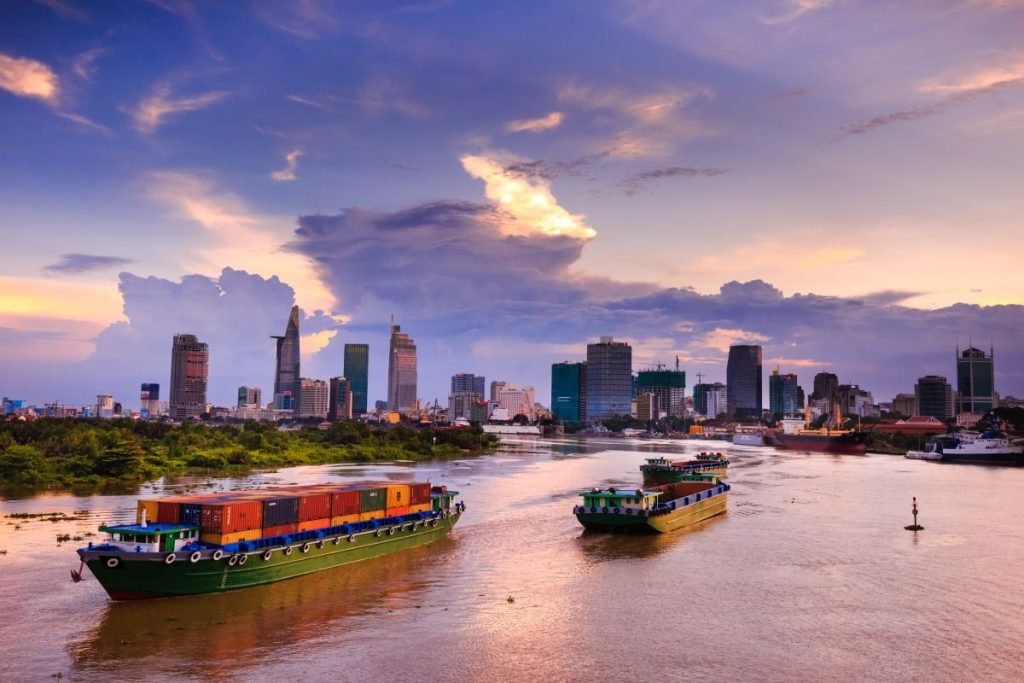
Air freight against a forty-day sea leg.
On most corridors the air consignment is a convenience. Here it is close to a necessity, because the gap between a family arriving and a container clearing is measured in weeks rather than days. Services run from Mumbai, Delhi and Bengaluru to Auckland through Singapore or Sydney, and a door-to-door air movement lands in four to seven days.
What earns its place on the aircraft: bedding, towels, a working kitchen set, school uniforms and books, laptops and work equipment, medication with its prescriptions, and two or three things that make a rented house feel like the family’s own. What does not: anything bulky and light, anything on the dangerous-goods list under the IATA regulations, and anything likely to attract a biosecurity hold. Air consignments are inspected on the same basis as sea consignments, so a pair of muddy football boots will stop an air shipment exactly as it would stop a container.
Two hemispheres, one booking calendar.
The New Zealand school year opens in late January or early February, which pulls family arrivals into December and January. That is the southern summer, the peak period for New Zealand destination agents, and it overlaps the shutdown weeks either side of Christmas and New Year, when ports run reduced services and inspection capacity thins. A container arriving in the third week of December can sit for a fortnight without anything having gone wrong.
Working backwards across a forty-day sea leg plus clearance, a February arrival wants a packing date in India in late November or early December. That in turn means booking the crew by October — which in India is festival season, when the good crews go early. Families who start this conversation in August get the dates they want. Families who start in November take what is left.

New Zealand corridor questions.
Will my wooden furniture be fumigated?
Not automatically. Finished, sealed furniture in good condition usually passes on inspection. What draws treatment is bark, borer holes, unfinished surfaces, rough-sawn timber and anything that has lived outdoors. Carved pieces with natural edges are the classic borderline case, and they should be declared item by item so an officer can look at them rather than find them.
Can I bring my bicycle, cricket kit and garden tools?
You can bring them, but they must arrive clean to a standard higher than most people expect: no soil in the tread, no grass in the mower deck, no dried mud in the studs. Cleaning them properly in India costs a fraction of having them cleaned under supervision in Auckland. Anything that cannot be brought up to that standard is better sold before the move.
How much does biosecurity add to the timeline?
On a straightforward consignment with a specific inventory, allow three to seven working days beyond normal customs clearance. On a consignment with several flagged items, or one selected for a fuller inspection, two to three weeks is realistic. That is the range built into the 60 to 75 day door-to-door figure.
Is it worth shipping a car to New Zealand?
For most Indian-market vehicles, no. Imported used cars must satisfy New Zealand entry certification, including structural and emissions standards, and the underbody has to be cleaned to biosecurity standard before it can be released. Between the compliance work, the ocean freight and the certification, the total usually exceeds what an equivalent used car costs locally in a market with plenty of them.