
FCL or LCL: which ocean freight option actually fits your cargo
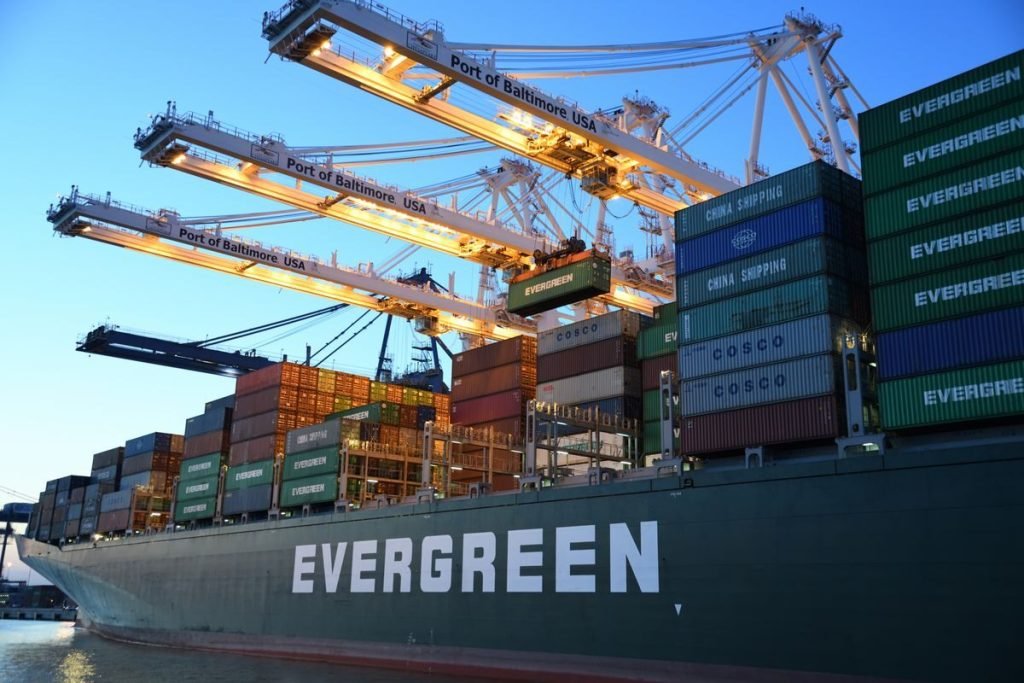
For any ocean shipment that will not fill a container on its own, the first question is whether to book a full container anyway — FCL — or buy space by the cubic metre in a shared one, LCL. The right answer is usually about volume, but not only about volume, and getting it wrong costs money at both ends.
The volume rule of thumb
Below roughly 13 to 15 cubic metres, LCL usually wins, because you pay only for the space your cargo occupies. Above that, a full container is typically cheaper per unit — and once your cargo would fill most of a 20-foot box, paying LCL rates by the cubic metre costs more than simply taking the whole container.
Why FCL is about more than price
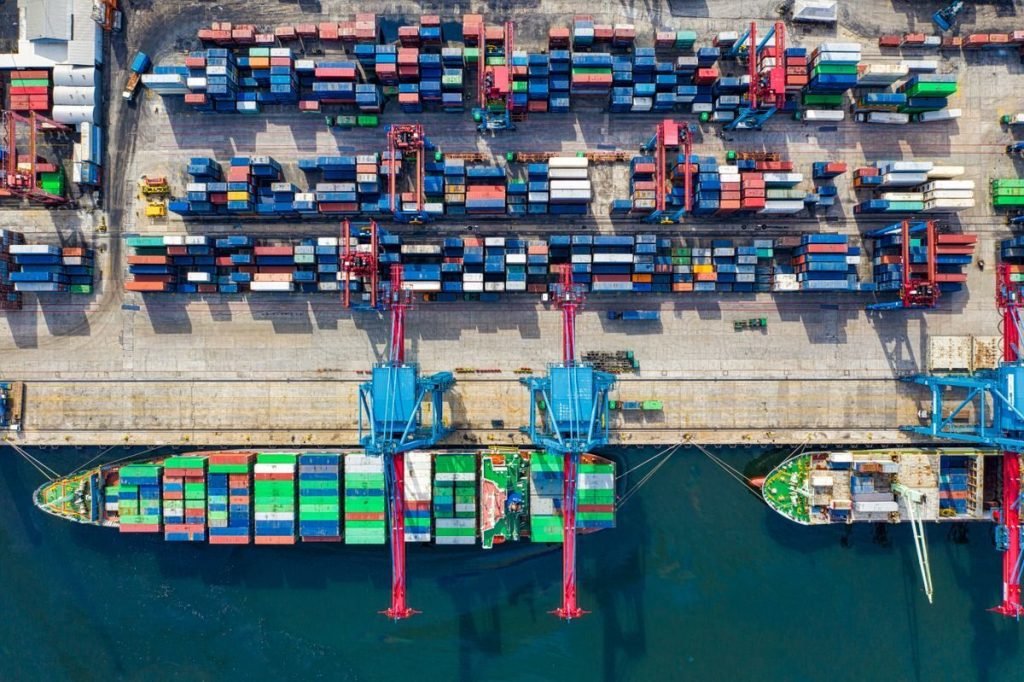
A full container is packed once at origin, sealed, and not opened until it reaches you. LCL cargo is consolidated with other shippers’ goods at origin and deconsolidated at destination — more handling, a little more transit time, and more opportunity for damage or for your cargo to be delayed by someone else’s in the same container. For fragile, high-value or time-sensitive goods, FCL can be worth it below the price break-even simply to avoid that handling.
Where LCL earns its place
- Smaller, regular shipments that would sail half-empty as a full container;
- Testing a new market where you do not yet ship in container-loads;
- Cargo that is dense and low-volume, where you are paying by weight rather than filling space.
Container sizes, and what actually fits
Three container sizes cover most dry cargo from India. A 20-foot container holds a little over 30 cubic metres, a 40-foot container around twice that, and a 40-foot high cube adds roughly a foot of height for light, bulky goods. In pallet terms, a 20-foot box takes about ten standard pallets on the floor and a 40-foot about twenty, though the exact number depends on pallet size and whether they can be stacked.
Weight is the other limit. Dense cargo such as tiles, stone, metal parts or bagged chemicals can reach the container’s maximum payload, or the road weight limits at either end, long before it fills the space. For that kind of cargo a 20-foot container is often the right choice even when a 40-foot would seem to offer better value, because the extra space could never be used.
How LCL is charged
LCL is priced per revenue tonne: each cubic metre, or each 1,000 kilograms, whichever produces the higher figure. Light cargo pays on volume and heavy cargo pays on weight. Most consolidators also apply a minimum charge, commonly one cubic metre, so a very small shipment costs the same as one that fills a full cubic metre.
Understanding that rule helps when comparing quotes. Two LCL offers with different rates are only comparable when both have been calculated on the same volume and weight, with the same charges at origin and destination included. Measure the packed cargo rather than estimating it, because the consolidator will measure it on arrival and invoice what they find.
Packing for a shared container
LCL cargo is handled more than a full container load: it is received at a freight station, stacked with other shippers’ goods, unpacked at destination and delivered from a warehouse. Packing has to survive that. Palletise wherever possible, stretch-wrap and strap the load, keep the packages square and stackable, and avoid anything protruding. Mark every package with the consignee, the destination and the piece count, so that a carton separated from the rest can be matched to its shipment quickly.
When several suppliers ship to one buyer
A buyer who purchases from several Indian suppliers does not have to receive several LCL shipments. A forwarder can gather the goods at a consolidation warehouse close to the port and load them together into one full container, which is usually cheaper and safer than separate consolidations, and gives the buyer a single arrival to clear. It needs one party to coordinate the suppliers’ delivery dates and documents, but for regular buying programmes it is often the most efficient way to ship. The same approach works in reverse at destination, where one full container can be unloaded at the buyer’s warehouse and the goods sorted by supplier there, without a consolidator’s charges in between.
The costs people forget
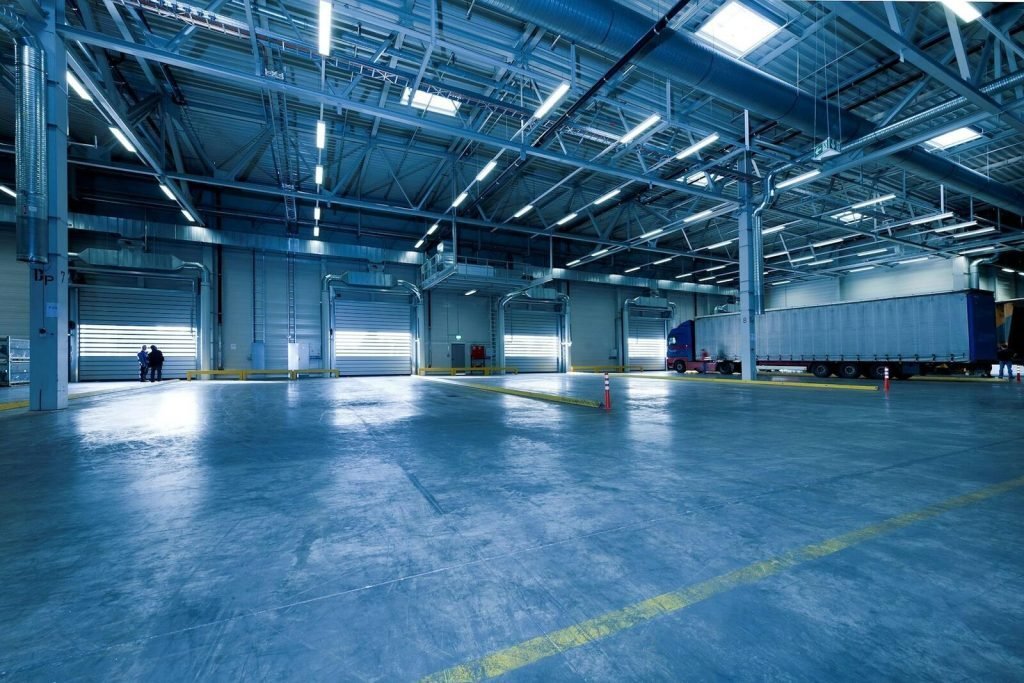
LCL quotes can look cheap per cubic metre and then carry destination charges — deconsolidation, handling, documentation — that FCL does not. FCL, on the other hand, exposes you to demurrage and detention if the container is not cleared and returned in time. Neither is a reason to avoid one or the other; they are reasons to compare the total door-to-door cost, not the headline rate. That is the comparison we run for every shipment rather than applying the rule of thumb blind.