
- 20+ years moving households & cargo
- 184 countries destination corridors covered
- In-house customs clearance filed by our own team
- One coordinator from quote to delivery
Bhutan is India’s closest neighbour in more ways than geography. The two countries share an open border, a free-trade arrangement and decades of close co-operation, and Indian nationals can live and work in Bhutan with comparatively few barriers. For Indian movers, that translates into a corridor unlike almost any other — one driven not by ports and ocean transit but by mountain roads. The movers are hydropower and construction project teams, professionals on assignment, teachers, and businesses serving the Bhutanese market.
Because the India–Bhutan corridor is overland, the logistics differ from a sea move — but the India-end discipline still matters. Goods crossing into Bhutan require correct documentation, and the route runs through specific land customs stations rather than seaports. Seemleius plans the road routing, the border formalities and the Bhutan-side delivery as a single coordinated job.
The India–Bhutan corridor
This corridor is served almost entirely by road. Household and commercial consignments travel by truck from origin cities — commonly Kolkata, Siliguri and the wider eastern India region, but also from Delhi NCR and beyond — and cross at the main land customs points: Jaigaon–Phuentsholing, the principal gateway, and the eastern crossing at Samdrup Jongkhar. Realistic transit depends heavily on origin distance and the mountain leg inside Bhutan; a move from eastern India typically completes within one to two weeks, longer from farther afield.
For urgent or high-value items, air freight runs from Delhi (DEL), Kolkata (CCU) or other Indian gateways into Paro International Airport (PBH), Bhutan’s only international airport, set in a Himalayan valley with carefully managed operations. Customs is administered by the Department of Revenue & Customs under Bhutan’s Ministry of Finance; the India–Bhutan trade relationship means many goods of Indian origin move under preferential arrangements, and household effects for a genuine relocation are documented accordingly.
Indian export documentation
Export paperwork prepared for the land crossing — invoices, packing lists and the documentation Indian and Bhutanese authorities expect at Jaigaon–Phuentsholing or Samdrup Jongkhar.
Bhutan customs regime
Clearance through Bhutan’s Department of Revenue & Customs, with the India–Bhutan preferential trade relationship and used-household-goods treatment applied correctly.
Road and air options
Overland trucking via the land customs gateways for household and commercial volumes, or air freight into Paro (PBH) for urgent and high-value items.
One coordinator, both ends
One coordinator owns your India survey, border documentation, road dispatch and Bhutan delivery — a single point of contact through the mountain leg.
Who moves on this corridor
The India–Bhutan route serves a distinctive mix. Households are professionals, teachers and consultants on assignment relocating furniture and personal effects. Business and office moves cover companies and contractors — particularly in hydropower, construction and infrastructure — shipping office equipment, IT and records. Commercial freight covers Indian suppliers sending machinery, materials and stock to project sites.
Where we deliver in Bhutan
We deliver across the kingdom: Thimphu, the capital; Phuentsholing, the border commercial town; Paro, with the international airport; Punakha and Wangdue Phodrang in the central valleys; Gelephu in the south; and Samdrup Jongkhar and Trashigang in the east. Mountain road conditions and seasonal weather shape delivery scheduling, and we plan around them.
How your move works
- India-side survey. We assess volume and contents at your home or office in India — in person in major cities or by video — and return a clear quote with road and air options and a realistic Bhutan delivery window.
- Export documentation. Border paperwork is prepared: invoices, packing lists and the documents Indian and Bhutanese authorities require at the land customs crossing.
- Pack and dispatch. Our crew packs to transit standard from your India origin, and the consignment is dispatched by road to the crossing or flown to Paro.
- Clear and deliver in Bhutan. We manage clearance through the Department of Revenue & Customs and coordinate onward delivery to your address in the kingdom.
If you are planning a move from India to Bhutan, request a quote and your coordinator will walk you through the routing, border formalities and timeline.
A road corridor with one gate
Most of the corridor pages on this site begin at a port. This one begins at a truck. Bhutan has no coastline, and the practical route from anywhere in India is the highway that runs across the Duars plain of West Bengal to the border town of Jaigaon, crosses into Phuentsholing, and climbs into the Himalaya. A household in Kolkata can be at the border inside a day. A household in Pune or Chennai reaches the same gate after a long line-haul across the country, and the mountain leg only starts from there.
That changes what you should expect from a quote. There is no vessel schedule to wait for, no container to fill to a sensible fraction, and no transhipment hub in between. What matters instead is the truck, how the load is secured for several days of Indian highway followed by hairpin bends, and how the border formalities are sequenced so the vehicle is not sitting at Jaigaon over a weekend. Ocean freight enters the picture only when something arrives from overseas and needs staging through Kolkata—more on that below.
The Phuentsholing hand-over
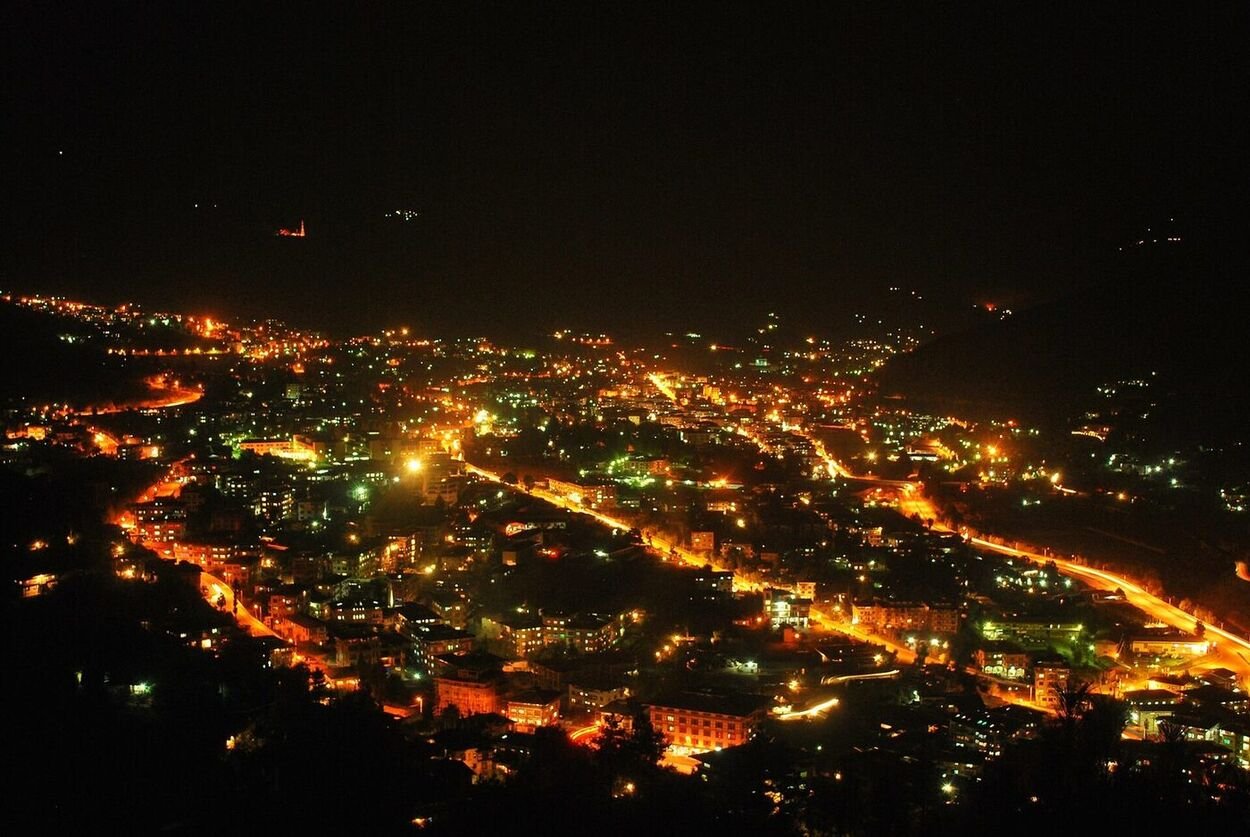
Jaigaon and Phuentsholing are effectively one town with a gate through the middle of it. On the Indian side, the consignment is presented at the land customs station with the invoice and packing list; on the Bhutanese side, the Department of Revenue and Customs checks it in. Used household effects for someone taking up residence in Bhutan are declared as exactly that, and goods of Indian origin move under the bilateral free-trade arrangement, so the duty picture for a genuine relocation is usually straightforward. The current sales-tax treatment is confirmed by your coordinator before dispatch rather than assumed, because Bhutan has been reforming its indirect taxes and the rules do move.
The detail most people do not expect is the change of vehicle. Indian-registered trucks generally run to Phuentsholing and hand over there; the climb to Thimphu, Paro or Punakha is done by Bhutanese-registered vehicles. That transload is a genuine handling step, not a formality. It is where a poorly packed load gets found out, which is why the crew packs for two lifts rather than one and why the cartons are numbered against the packing list at both ends. From Phuentsholing the road gains well over two thousand metres on the way to Thimphu; it is a full day’s driving in good conditions, and the last stretch into a residential lane in Motithang or Changangkha is usually done with a smaller vehicle.
Kolkata as the staging port
Sea freight touches this corridor in two situations. The first is a family or a company arriving in Bhutan from a third country whose goods come by ocean; the second is commercial cargo—hydropower components, plant, project stock—that a supplier ships to India for onward movement. In both cases the container lands at Kolkata or Haldia, clears Indian customs as cargo in transit to Bhutan, and continues by road up the same Jaigaon corridor. Bhutan’s overseas trade has used Kolkata as its port for decades, so the transit procedure is well trodden.
In planning terms, an oceanic leg adds Kolkata port dwell and a transit declaration to an otherwise simple road move. We treat the port as a staging point, not a destination: the container is either stripped into trucks at Kolkata or, where the road and the receiving site allow, trucked whole to Phuentsholing. Your coordinator will tell you which applies, because a forty-foot box on a Bhutanese mountain road is not always a sensible object.
Rupees, ngultrum and how the quote is built
The Bhutanese ngultrum is pegged one-to-one to the Indian rupee, and rupee notes circulate in Bhutan alongside it. For a move that means the quote is in rupees, the Bhutan-side handling is priced in the same money, and there is no exchange-rate line to worry about between survey and delivery. It also means the costs are the honest sum of road distance and handling, rather than freight rates that rise and fall with a shipping index.
| Cost driver | Why it matters on this corridor |
|---|---|
| Origin distance to Jaigaon | Kolkata and Siliguri are close; Delhi, Mumbai or Bengaluru add several days of line-haul and a larger share of the bill. |
| Volume and truck type | A closed-body truck is the standard unit. Part-loads share a vehicle where timing allows; a full household usually justifies its own. |
| The transload at Phuentsholing | Two lifts instead of one, and a second vehicle for the mountain leg. |
| Delivery access | Steep lanes and narrow gates in Thimphu, Paro or Punakha may need a smaller vehicle and hand-carry for the final metres. |
| Season | Monsoon landslides and winter snow on the passes lengthen the mountain leg or push it back a few days. |
| Packing standard | Export-grade cartons and crating for fragile or high-value items. A mountain road is unforgiving of loose packing. |
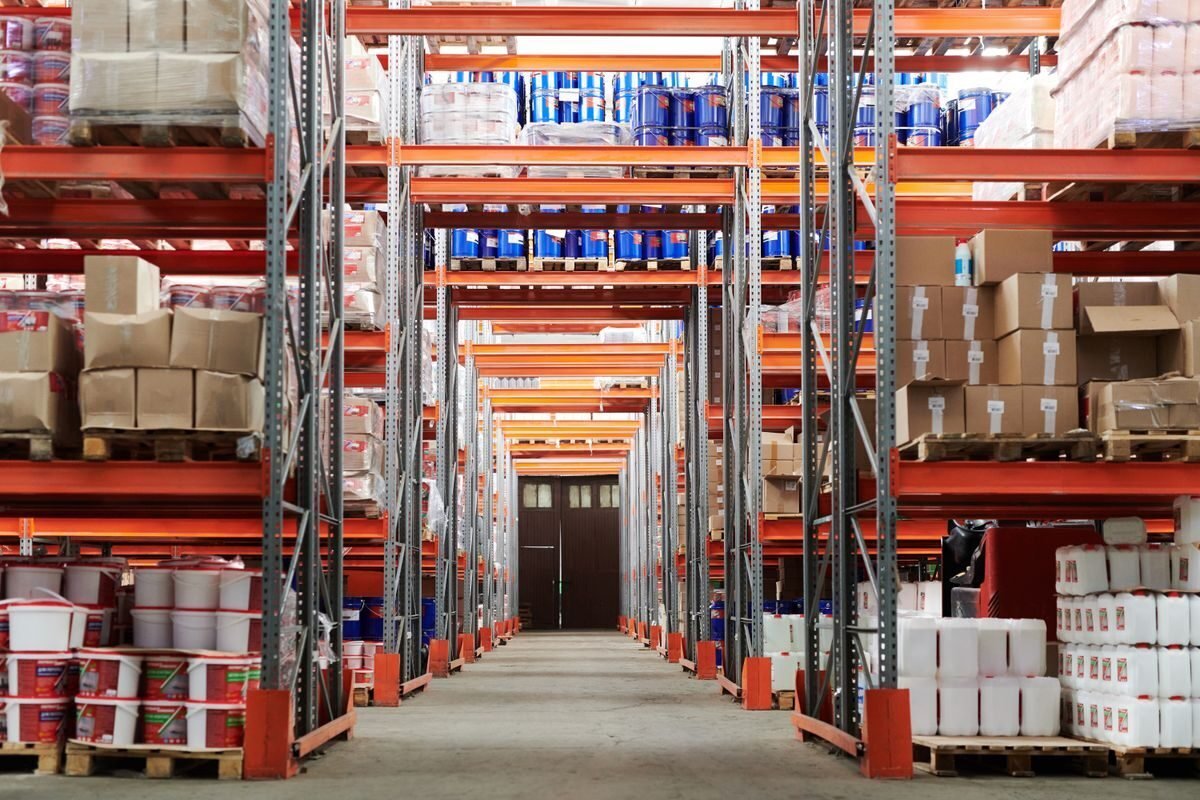
The survey is what turns those drivers into a number. We look at your home or office in Kolkata, Siliguri and the main metros in person, or by video anywhere else, and the quote comes back with the road option costed in full and, where it makes sense, an air option for a small set of urgent items. It arrives itemised, so the line-haul, the transload and the Bhutan-side delivery are each visible on their own.
Seasons on the highway
The Phuentsholing–Thimphu road is cut into a wet, steep hillside and it behaves like one. The monsoon, from roughly June to September, brings landslides and blockages; the road is cleared quickly by Bhutanese standards, but a move booked for July should carry a few days of slack in the delivery window and should not have anyone waiting at the door with a fixed handover time. Winter brings snow to the high passes—Dochula between Thimphu and Punakha, and the passes on the east–west highway beyond—which mostly affects deliveries to the central and eastern valleys rather than Thimphu and Paro themselves.
The comfortable windows are October to November and March to May. Bhutan’s tshechu festivals close towns for days at a time, and Indian festival weeks thin out the truck supply on the West Bengal side, so we check both calendars against your target date. If your start date is fixed, book the survey six to eight weeks ahead; the road leg itself is quick, but the crew, the vehicle and the Bhutanese-registered truck all have to line up.
What travels well by road, and what needs a second thought
- Furniture and household cartons travel well. Bhutanese homes are often let lightly furnished, so people bring more than they would to a serviced apartment elsewhere.
- Electronics and appliances are fine. Bhutan’s mains supply and plug types match India’s, so there is no reason to leave them behind; keep the original packaging where you still have it.
- Kitchen gas cylinders do not travel. They are not accepted on the truck and are easily replaced in Bhutan.
- Plants, seeds and animals fall under Bhutan’s own agricultural rules, which are stricter than people expect for a neighbour; ask before you pack a single pot.
- Vehicles are a separate conversation. An Indian-registered car can be driven or carried to the border, but its status inside Bhutan is governed by Bhutanese rules, and we would rather you asked than assumed.
- Heirloom and religious items are common on this corridor and are crated individually. Bhutan has rules on the export of antiques and religious objects; the same care is worth applying on the way in, with photographs and an itemised list.
Questions people ask about moving to Bhutan
Do I need a container?
Almost never. The corridor is a trucking corridor, and a closed-body truck loaded and lashed for the mountain is the right tool. A container appears only when goods arrive by sea into Kolkata, and even then it is often stripped before the road leg.
Can the same truck go all the way to Thimphu?
Usually not. Indian-registered trucks typically stop at Phuentsholing and the load transfers to a Bhutanese-registered vehicle for the climb. We plan for that transload rather than treating it as a surprise.
How much of the move can go by air?
A small amount. Paro is a single-runway valley airport, and belly-hold capacity on the Kolkata, Delhi and Bagdogra flights is limited. Air suits documents, a laptop and a suitcase of essentials—not a wardrobe. The household goes by road.
Is delivery to eastern Bhutan realistic?
Yes, but it takes longer and depends on the season. Trashigang and Samdrup Jongkhar are reached either across the east–west highway from Thimphu or through the eastern crossing at Samdrup Jongkhar from Assam, and the right entry point depends on where the goods start. Your coordinator prices both.