
- 20+ years moving households & cargo
- 184 countries destination corridors covered
- In-house customs clearance filed by our own team
- One coordinator from quote to delivery
The India–Angola corridor is driven by energy, construction and trade. Angola’s offshore oil industry, its post-war infrastructure rebuilding, and a long-standing Indian commercial presence in Luanda have made this Southwest African route a steady one for professionals, traders and project teams. For staff posted to oil and construction projects, for the families joining them, and for Indian businesses serving the Angolan market, the move from India to Angola is a long-distance relocation that needs experienced handling at both ends.
The move begins on the India side: export customs clearance through ICEGATE, preparation of the shipping bill under the Customs Act, AD code registration with the originating port, and export-grade packing for an Atlantic-bound voyage of roughly 6,500 nautical miles. Angola’s import procedures are document-intensive and require pre-shipment compliance, so accurate, fully valued paperwork prepared at the India end is the single most important factor in a clearance that does not stall in Luanda.
Freight routes & customs
Sea freight carries household and commercial volumes. Containers leave Nhava Sheva (JNPT), Mundra, Chennai or Cochin and route — usually via a transhipment hub in the Gulf, South Africa or West Africa — to the Port of Luanda, Angola’s principal cargo gateway, with Lobito as a secondary port. Realistic port-to-port transit, including transhipment, runs roughly 32 to 45 days depending on routing and feeder schedules. From Luanda, onward road delivery reaches the city and the provinces.
Air freight from Mumbai (BOM), Delhi (DEL), Bengaluru (BLR) or Chennai (MAA) routes via a Gulf or African hub into Luanda’s Quatro de Fevereiro Airport (LAD) — expect a one-stop itinerary. Angolan import formalities are handled by the Administração Geral Tributária (AGT), the customs and tax authority, and a pre-shipment inspection or load declaration is typically required. New residents and returning nationals may claim relief on used personal effects under transfer-of-residence provisions; we confirm the current evidence requirements — residence documentation, valued inventory and prior-ownership terms — before the shipment sails.
Indian export clearance
Shipping bill filed on ICEGATE, AD code registration and Indian customs clearance managed at Nhava Sheva, Mundra, Chennai or Cochin — documentation built for Angola’s pre-shipment compliance.
Transhipment routing
India–Angola cargo feeders through a Gulf, South African or West African hub into Luanda or Lobito. We plan the connection so dwell time is managed.
Angolan customs
Import declarations to the Administração Geral Tributária, with transfer-of-residence relief on used effects prepared and fully evidenced for new residents.
One coordinator, both ends
The same person manages your India survey, ICEGATE documentation, dispatch and Angolan delivery — no gaps across the transhipment and clearance legs.
Who moves on this corridor
This single corridor serves the whole range of moves. Households and families relocate to join professionals posted to Angola’s energy and construction sectors. Businesses and offices ship equipment, records and furniture as Indian firms establish or staff Luanda operations. Commercial freight is significant on this route — site materials, plant spares, trade stock and project consignments. We apply the same disciplined process whether the load is a part-container or several full containers.
Where we deliver in Angola
We deliver to all of Angola’s major cities and their surrounding areas: Luanda, the capital; the port and rail city of Lobito; Benguela on the central coast; Huambo in the highlands; Lubango in the south; and Cabinda, the oil-rich exclave. If your destination is a remote project site, ask us — we arrange the final overland leg.
How your move works
- India-side survey. We assess volume and contents at your home or office in India, in person or by video, and return a clear quote with sea and air options and a realistic Luanda arrival window.
- Export documentation. Indian export paperwork is prepared — shipping bill filed through ICEGATE, AD code confirmed, packing list and invoice — alongside the Angolan customs and pre-shipment file.
- Pack and dispatch. Our crew packs to export standard from your India origin, and the shipment is booked on the confirmed routing to Luanda or air-freighted via a Gulf hub.
- Clear and deliver in Angola. We manage clearance with the Administração Geral Tributária, apply transfer-of-residence relief where eligible, and coordinate onward road delivery to your address.
Tell us where you are moving from in India and where you are heading in Angola, and request a quote — your coordinator will guide you through the right starting point.
Cost drivers on the Luanda run
Budgeting for Angola starts with accepting that the freight line is only part of the story. The ocean leg is long and always transhipped — Indian export cargo for Luanda changes vessel at a hub en route, whether in the Gulf, at a South African port or on a West African relay — and each additional leg is priced into the rate. On top of that sit costs that other corridors simply do not have: Angola requires cargo to be certified for loading before it ships, and the certificate carries its own fee; Luanda’s port and terminal charges are not cheap; and storage beyond the free period bites quickly if clearance stretches.
Currency is the quiet variable. Destination charges are incurred in kwanza in an exchange-control environment where rates and rules move, so we fix as much of the Angola-side cost as possible in the quote itself, agreed with our Luanda partner up front, rather than exposing you to whatever the rate is doing the week your container lands. The controllable inputs remain the same levers as anywhere — surveyed volume, packing standard, insurance level, and whether delivery ends in Luanda or continues by road to Lubango, Huambo or a project site, which can add days and real money.
Paperwork that cannot wait until the ship sails
Angola is the corridor where we most often have to slow an eager client down, because its compliance runs pre-shipment. The loading certificate — administered by Angola’s cargo-certification regulator and long known in the trade by its old initials, CNCA — must be arranged before the vessel departs, tying together the consignee, the cargo description and the routing. Ship without it and the fine at destination dwarfs whatever time was saved. Alongside it, the file needs a valued inventory (a Portuguese version smooths every later step), the consignee’s Angolan tax identification, and for commercial goods the import licensing that Angolan authorities require of the receiving business.
The India side is the familiar discipline done early: shipping bill through ICEGATE, AD code confirmed at the load port, packing list and invoice mirroring the inventory exactly. Because the Angolan certificate references shipment details, the documentation and the booking have to be built together — it is normal for us to hold a container booking a few days while the certificate completes, and abnormal (and expensive) to do it the other way round.
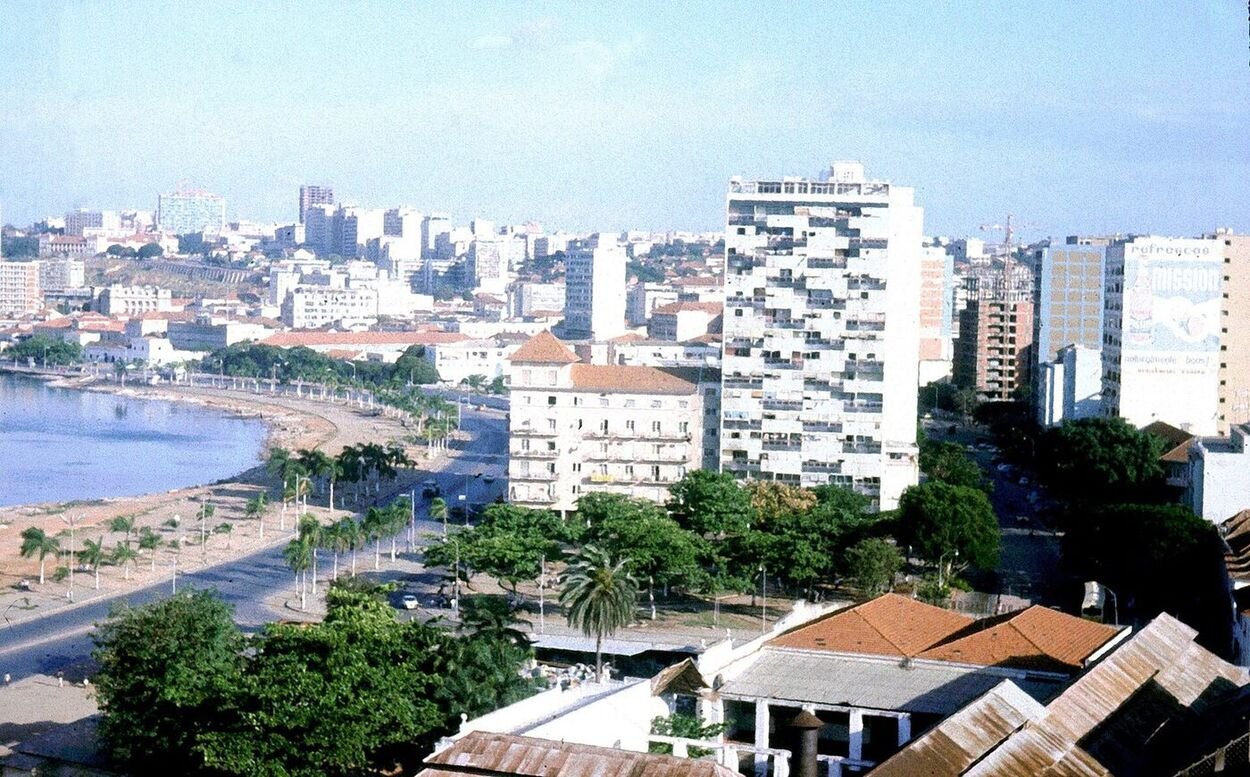
From booking in India to keys in hand in Luanda
A realistic sequence, with typical durations rather than promises:
- Week one — survey and decisions. Volume assessed at your Indian home or office, sea and air options priced, and the certificate process started the moment you confirm, because it defines the critical path.
- Weeks two to four — documents and packing. The Angolan file and Indian export paperwork are completed in parallel; packing itself takes one to three days and is scheduled once the certificate timeline is clear.
- Weeks five to ten — the ocean. Sailing from Nhava Sheva, Mundra or Chennai, transhipment at the hub, arrival at Luanda. Five to six weeks port to port is the honest range, and a missed feeder connection can add a seventh; services to West Africa are less frequent than on mainstream lanes, so a missed connection costs a week, not a day.
- Weeks ten to thirteen — clearance and delivery. The Administração Geral Tributária processes the import; one to three weeks is typical when the file is clean. Delivery within Luanda follows in days; provincial deliveries are planned as their own road journey.
End to end, plan on roughly three months for a household move. Assignments that start sooner than that are bridged the usual way — a compact air shipment into Luanda carrying the first month’s essentials while the container is still at sea.
Arrival-end realities in Angola
Luanda is a port with a history of congestion, and while conditions have improved from the worst years, dwell time remains the corridor’s least predictable element. We treat it managerially: our Luanda partner tracks the vessel before arrival, lodges documents ahead of discharge, and chases the clearance daily rather than joining a queue and hoping. When a delay does occur, you hear about it from your coordinator with a revised estimate — not from silence.
Deliveries concentrate in the neighbourhoods where expatriate and business housing concentrates — Talatona and the newer southern districts, Miramar and the Ilha, and the city centre — and Angolan apartment compounds usually have gate procedures that our partner clears in advance. Secure storage in Luanda is available when housing is not ready, though it is not cheap, and for stays under a month it usually beats paying port storage at quay rates. Angola’s 220-volt supply suits Indian appliances, and the practical shopping reality — imported goods in Luanda are expensive — argues for shipping generously: furniture, kitchen equipment, linens and tools all justify their space in the container.
For consignments continuing beyond the capital, one routing note earns its place: the rail corridor inland from Lobito port has been revived in recent years, and for project cargo bound for the central highlands it can beat the long road haul out of Luanda. It is a case-by-case calculation — service frequency and cargo type decide it — which is why the routing conversation on this corridor happens at the quote stage, not after the box has sailed. Provincial road deliveries to Huambo, Lubango or Benguela are staged from Luanda with a checklist of their own, and your coordinator prices them as a defined leg rather than an open-ended extra.
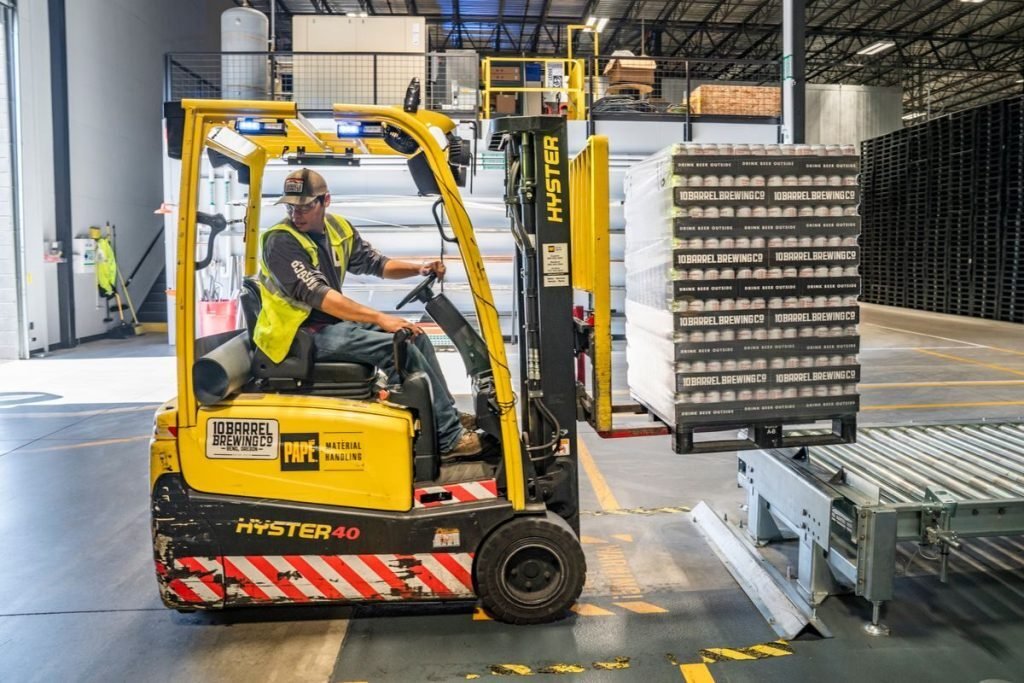
Packing, risk and insurance on the Angola run
Heat and humidity frame the packing brief at both ends — a monsoon-season load-out in India and a tropical arrival in Luanda — so moisture protection is not an upgrade here, it is the baseline: desiccant in every sensitive carton, barrier wrap on upholstery and electronics, and crates built from treated, ISPM-15-stamped timber so the woodwork itself cannot create a customs problem. Commercial consignments on this route often include generators, power tools and site equipment; anything that has held fuel must be purged and certified before it can sail, which we organise at origin.
A few categories need a decision rather than a box. Foodstuffs face import restrictions and are best left out of household shipments. Medicines beyond a personal supply need paperwork that rarely justifies the effort. High-value jewellery should fly with you, not sail. And vehicles are a different exercise altogether — Angola’s vehicle-import rules involve age and roadworthiness conditions that change; if a car is part of your plan, raise it at the survey so the current position can be checked before anything is booked.
Then there is the question of what happens when, despite everything, a lift goes wrong. An India–Angola shipment is handled more times than a direct-lane shipment: loaded in India, discharged and reloaded at the transhipment hub, discharged again at Luanda, then trucked. Each extra lift is an ordinary event, but insurance exists for the extraordinary one, and on this corridor we recommend all-risk marine cover valued at replacement cost in Angola — not at Indian purchase prices, because replacing a sofa or a refrigerator in Luanda costs considerably more than it did in Pune. The valued inventory built at the survey does double duty here: it is both the customs document and the insurance schedule, so a claim, if one ever arises, is settled against figures agreed before the move rather than argued afterwards.
Two practical notes close the subject. Cover should run door to door, including the Luanda storage period if you use one — a gap between “port” cover and “home” cover is exactly where problems fall. And photographs taken by the packing crew of high-value items before wrapping cost nothing on the day but decide claims later.
Three questions we are asked about Angola
Can you deliver to Cabinda?
Yes, but not by road. Cabinda is an exclave separated from the rest of Angola by a strip of Congolese territory, so cargo for the oil-industry housing there arrives by sea — either a direct call at Cabinda or via a neighbouring port with a short road transfer. It is planned and priced as its own leg with its own clearance, and the loading certificate is issued for Cabinda from the start; redirecting a Luanda-certified container afterwards is slow and expensive.
Do I need to be in Angola when the container clears?
In practice, yes. The relief on used household effects is claimed by the consignee through the Administração Geral Tributária, and the residence documentation it depends on is issued to you, not to us. The reliable sequence is to travel first, let the container sail once your details on the Angolan side are settled, and have the household follow you by roughly the transit time. Where dates cannot line up, storage at origin is the cheaper buffer; port storage in Luanda is the one to avoid.
What if the packing date arrives before the certificate does?
We pack anyway, and hold. The certificate is tied to the booking rather than to the day the cartons are sealed, so a household can be packed, inventoried and moved into secure storage in India while the Angolan paperwork completes, then loaded into the container the week the sailing is confirmed. Families vacating a rented home on a fixed date use this routinely — it separates the day you must be out of the flat from the day the box must be at the port.