
India to the United States: what exporters should plan for
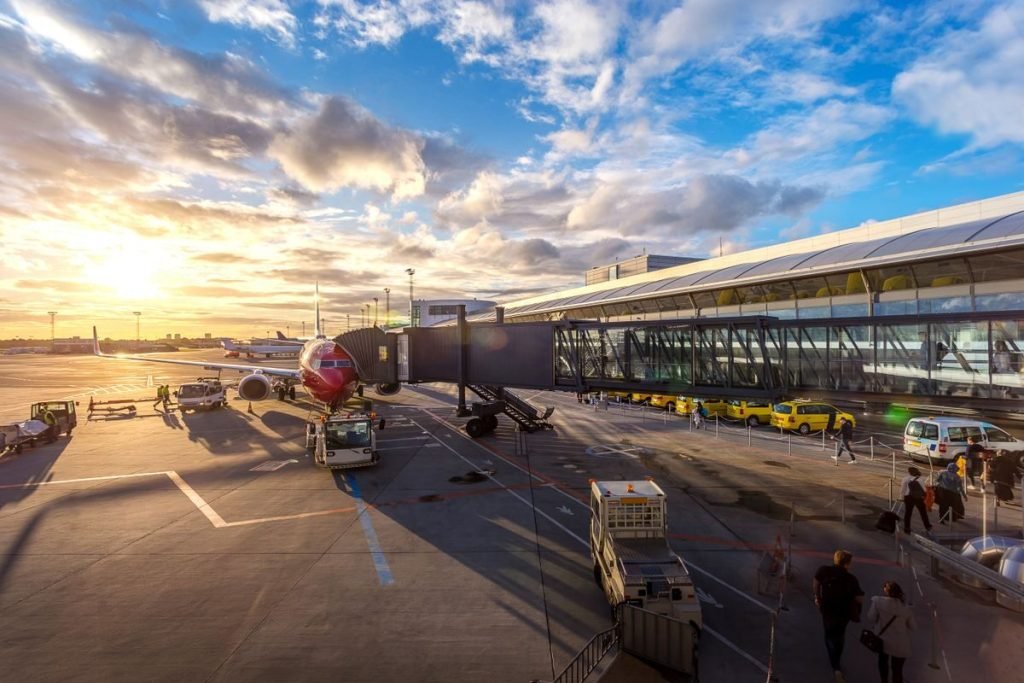
The United States is one of the most valuable export destinations for Indian goods and one of the most rules-bound to ship into. The freight is straightforward — regular ocean services to both coasts and reliable air into the major hubs — but US customs runs a strict advance-information regime, and the penalties for getting it wrong are not trivial.
The ISF filing that catches people out
For ocean shipments to the US, an Importer Security Filing — the “10+2” or ISF — must be filed with US Customs before the cargo is laden at the origin port. It is the importer’s legal responsibility, but the data comes from the shipment, and a late or inaccurate filing draws a penalty that can run into thousands of dollars per shipment. On a lane this size, that is a cost worth designing out from the start.
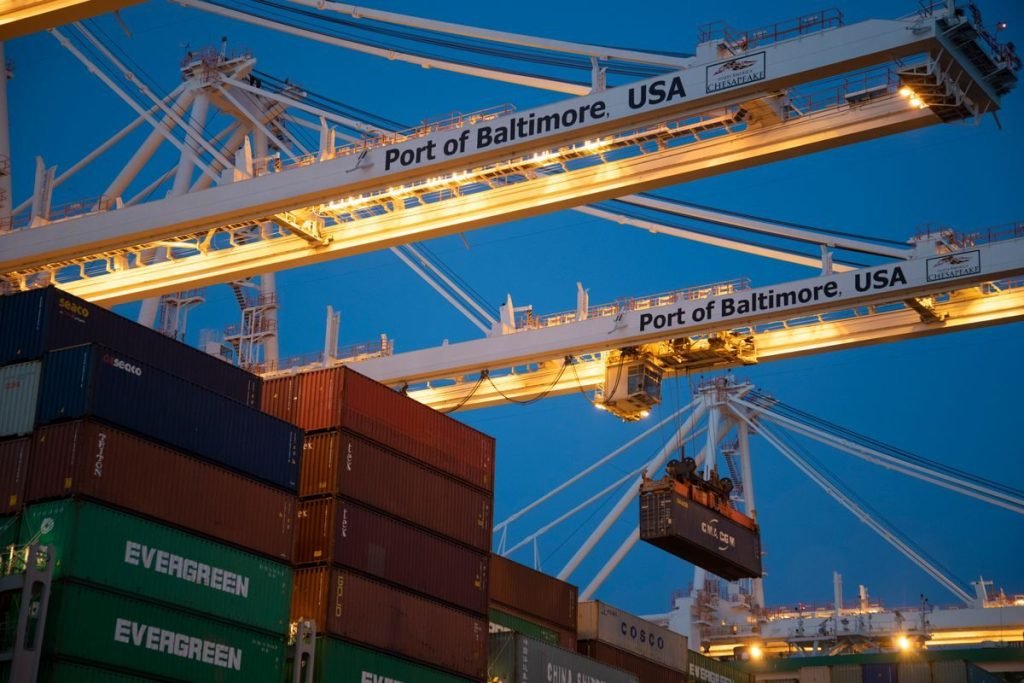
Getting the ISF right means the shipment data has to be complete and accurate early — earlier than many first-time shippers expect. This is exactly the kind of far-end requirement we flag at booking, working with the US consignee and their broker so the filing is in before the vessel loads.
Air and ocean on the lane
Ocean is the volume default, with transit varying widely between the east and west coasts and the routing. Air is common for high-value and time-sensitive cargo given the distance. Whichever you use, export clearance handled by people who know the US rules keeps the Indian side clean and the advance filings on time.
East coast, west coast or inland
The United States is served from India on two broad routings. Services to the east coast — New York and New Jersey, Savannah, Charleston, Norfolk — run west through Suez and the Mediterranean, or round the Cape when the Red Sea is closed to them. Services to the west coast — Los Angeles, Long Beach, Oakland, Seattle and Tacoma — usually tranship in Colombo or Singapore and cross the Pacific. Inland cities such as Chicago, Dallas or Memphis are reached by rail from either coast, often on a single through bill of lading.
For a consignee in the Midwest both coasts are workable, and the choice turns on the door date and the inland cost rather than on the ocean leg alone. Ask for the delivery date at the buyer’s door for each option, not just the port arrival, before you choose.
The agencies that sit beside customs
US Customs and Border Protection is not the only authority with a say over what enters. Food shipments need the manufacturing facility registered with the FDA and a prior notice lodged before the goods arrive, and medicines, medical devices and cosmetics carry FDA requirements of their own. Plant-derived goods, including wooden furniture and handicrafts, need a Lacey Act declaration. Many consumer products, and anything intended for children, must meet CPSC safety rules and travel with a certificate to show it. Pallets and crates made of solid wood must carry the ISPM 15 heat-treatment mark.
Each of these is the importer’s responsibility in law, but the data and the documents come from the exporter. A first shipment to a new buyer is the moment to ask which agencies apply to the product and what they will need from you — not the week the vessel arrives.
Duty, the bond and who pays
Duty on goods entering the United States is set by their classification in the US tariff schedule, and the importer of record pays it, backed by a customs bond. The rates applied to Indian goods have changed more than once in recent years, so confirm the current duty with the buyer’s broker before fixing a price for a long contract.
The Incoterm decides who carries that exposure. Selling DDP to a US customer makes the Indian seller responsible for the duty and for acting as, or appointing, the importer of record — workable, but only with a broker and a bond arranged well in advance. For most exporters, FCA, FOB or DAP leaves the import formalities with the party best placed to handle them. The buyer’s broker clears the goods, and your price is not exposed to a tariff change after the contract is signed.
A final point on paperwork: the commercial invoice for a US entry should state the country of origin, a clear description and the transaction value, and it should match what was filed for the ISF. Discrepancies between the two are one of the easier ways to invite an examination. If the buyer’s broker keeps a checklist for new suppliers, ask for it early; it shows exactly how they want the invoice laid out.
The US lane rewards preparation and punishes improvisation. If you are starting to ship there, set it up properly — we work with exporters who ship to demanding markets and can put the process in place before your first container loads.